Impact Spotlight
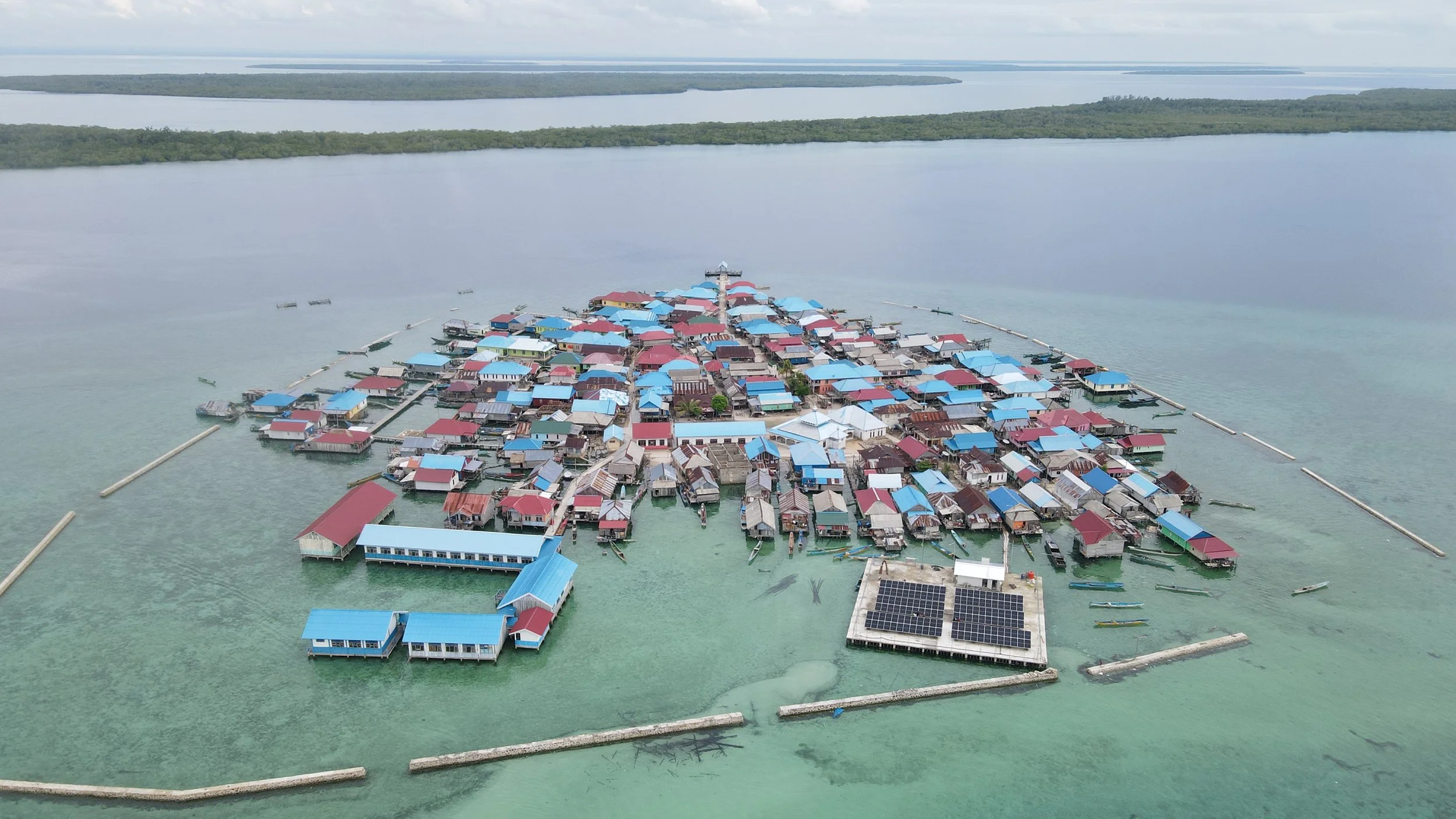
Harnessing 16.1 kWp of solar power and 57.6 kWh of battery storage to power water pumping and desalination on Tasipi Island
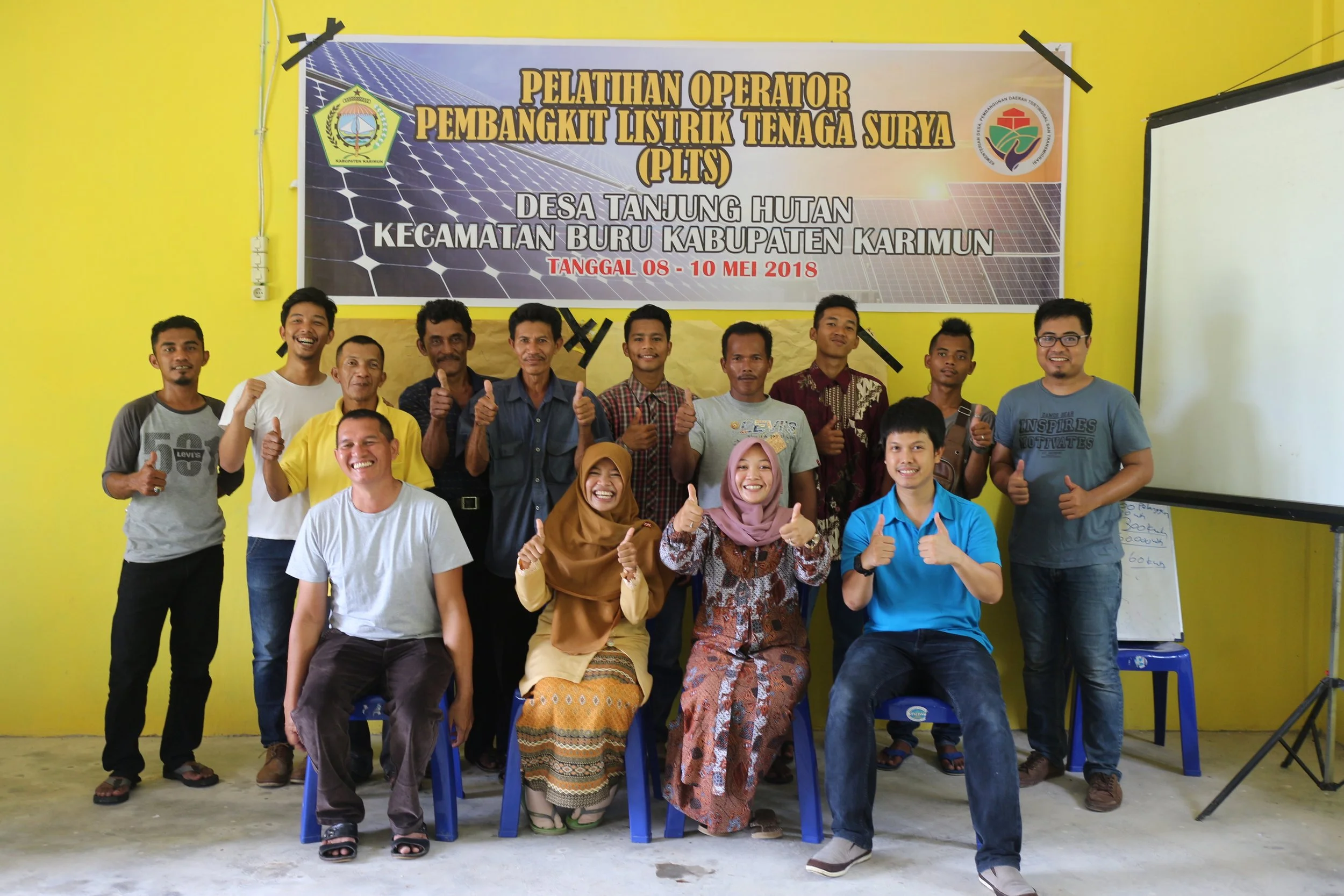
Empowering 4-6 local technicians with hands-on skills in solar PV and water system operations for community-led management
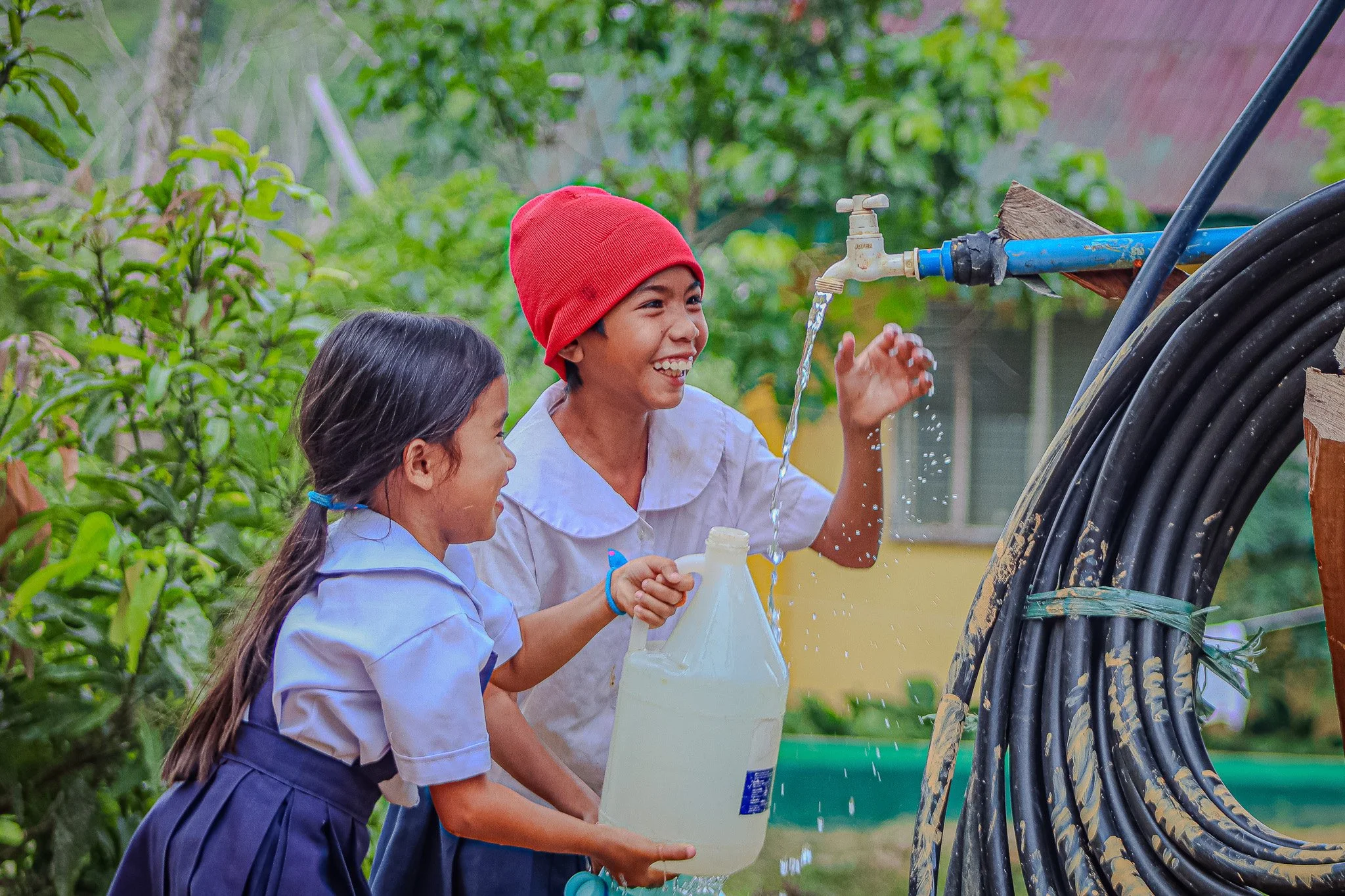
Delivering safe, solar-powered clean water to 202 households, approximately 784 people, on Tasipi Island
About
On Tasipi Island in West Muna Regency, Southeast Sulawesi, access to both electricity and clean water remains limited. Tasipi is one of several small island communities in the region where residents have reported difficulty accessing reliable power and freshwater; even the island’s public elementary school lists diesel as its electricity source. For communities like Tasipi, that makes water security inseparable from energy access: pumping and treating water reliably requires a dependable source of power.
Yayasan Inovasi Ketahanan Iklim Nusantara works with communities and local governments in Indonesia to develop practical solutions at the intersection of renewable energy, water access, and climate resilience. On Tasipi, the organization is pairing solar generation and battery storage with water pumping and seawater desalination, while training local residents to operate and maintain the system themselves.
“Clean water is more than a basic need—it is the foundation of health, dignity, and opportunity. By harnessing the power of the sun, we are transforming seawater into a sustainable source of life for island communities. This project demonstrates that climate action can deliver practical solutions, empower local people, and build resilient communities for generations to come.”
HF Partnership
Yayasan Inovasi Ketahanan Iklim Nusantara (IKLIM Hub) will bring reliable off-grid solar PV with a capacity of 16.1 kWp and 57.6 kWh battery energy storage to power a sustainable water pumping and seawater desalination system on Tasipi Island, Southeast Sulawesi. The system will provide clean drinking water to 202 households (approximately 784 people) while eliminating dependence on diesel-powered solutions and reducing greenhouse gas emissions. Beyond infrastructure, the partnership will strengthen community ownership by training 4-6 local operators, ensuring the project remains locally managed and financially sustainable over the long term. Together, the partnership aims to demonstrate a scalable model that combines renewable energy, water security, and climate resilience for remote island communities.
In the News