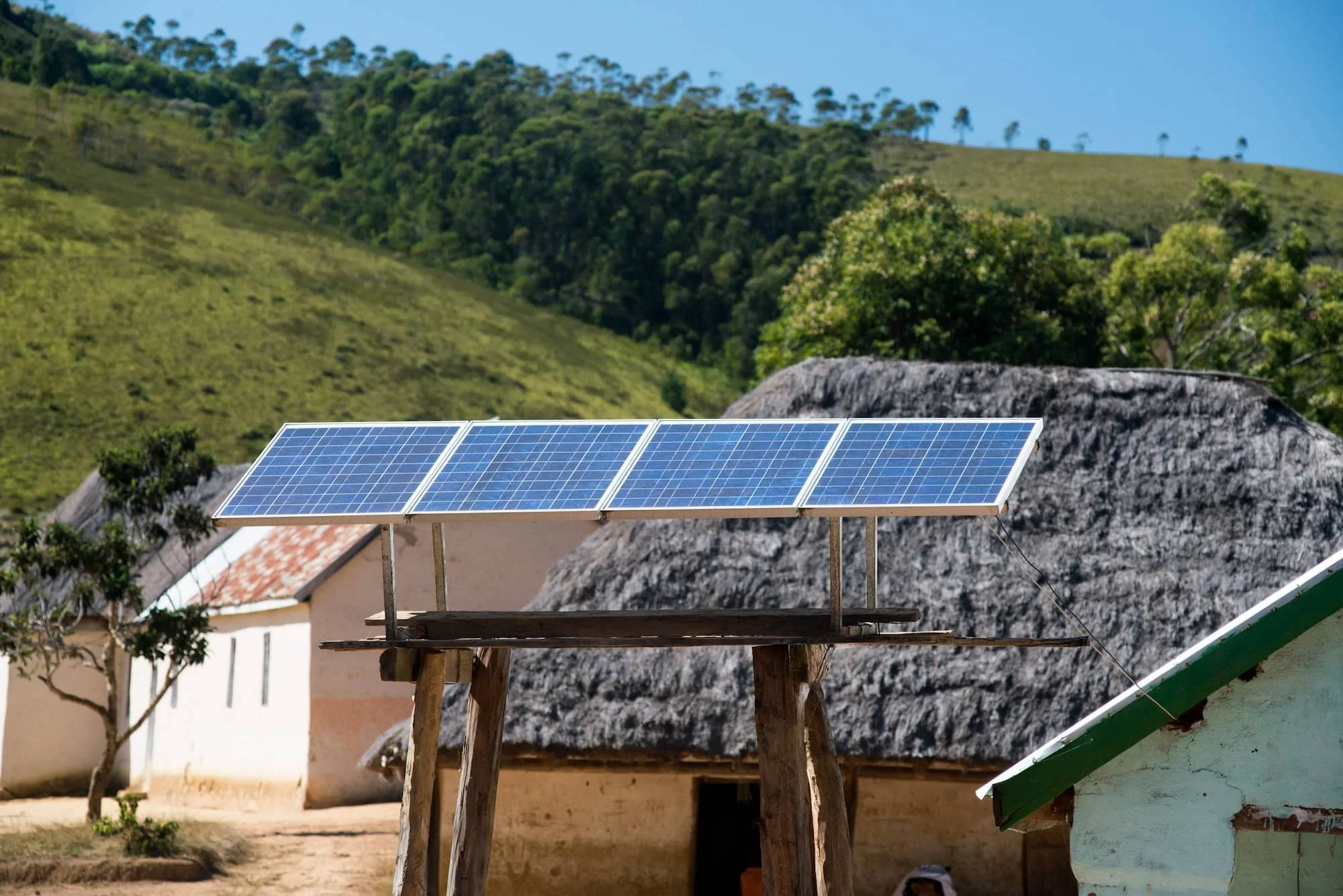
Case Studies on how solar energy is fostering economic opportunities and preserving traditional culture for Indigenous communities all over the world.


PSYDEH

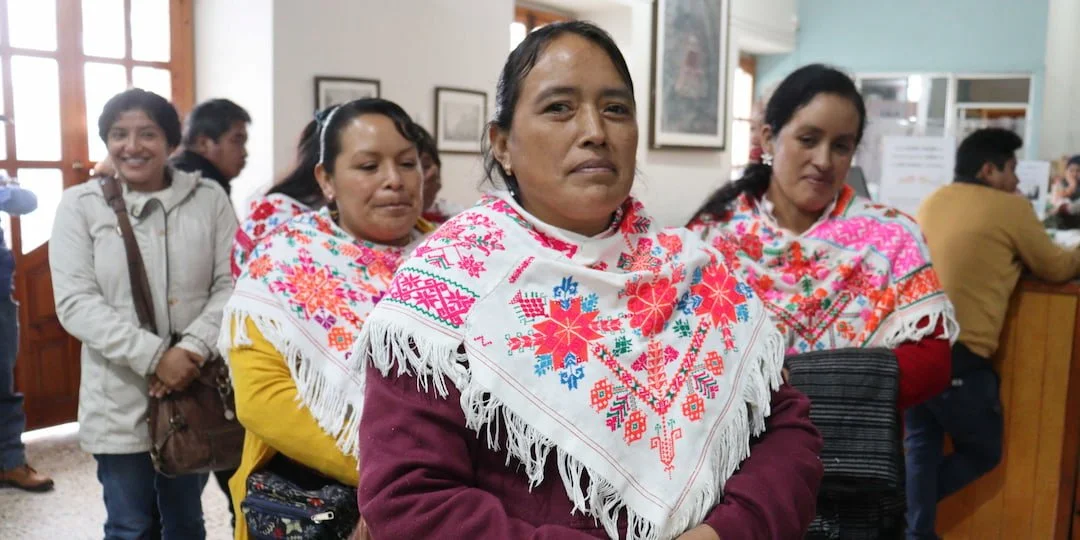
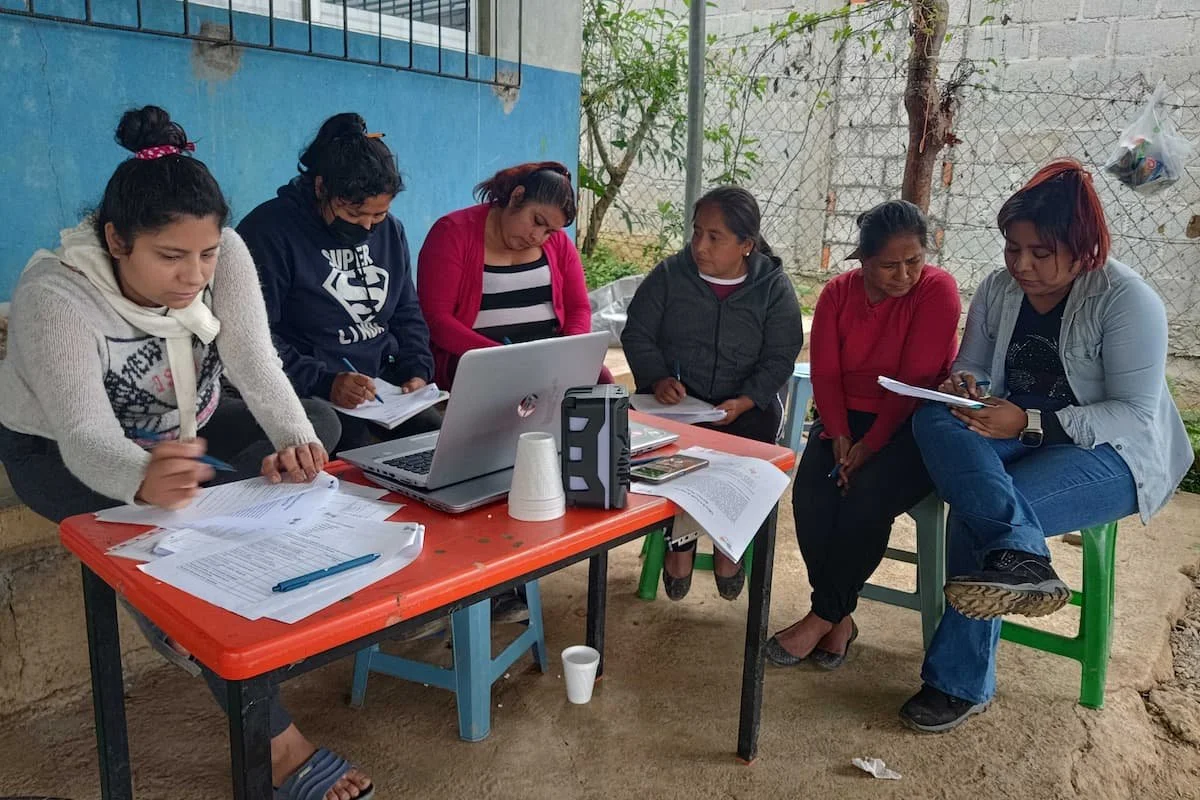
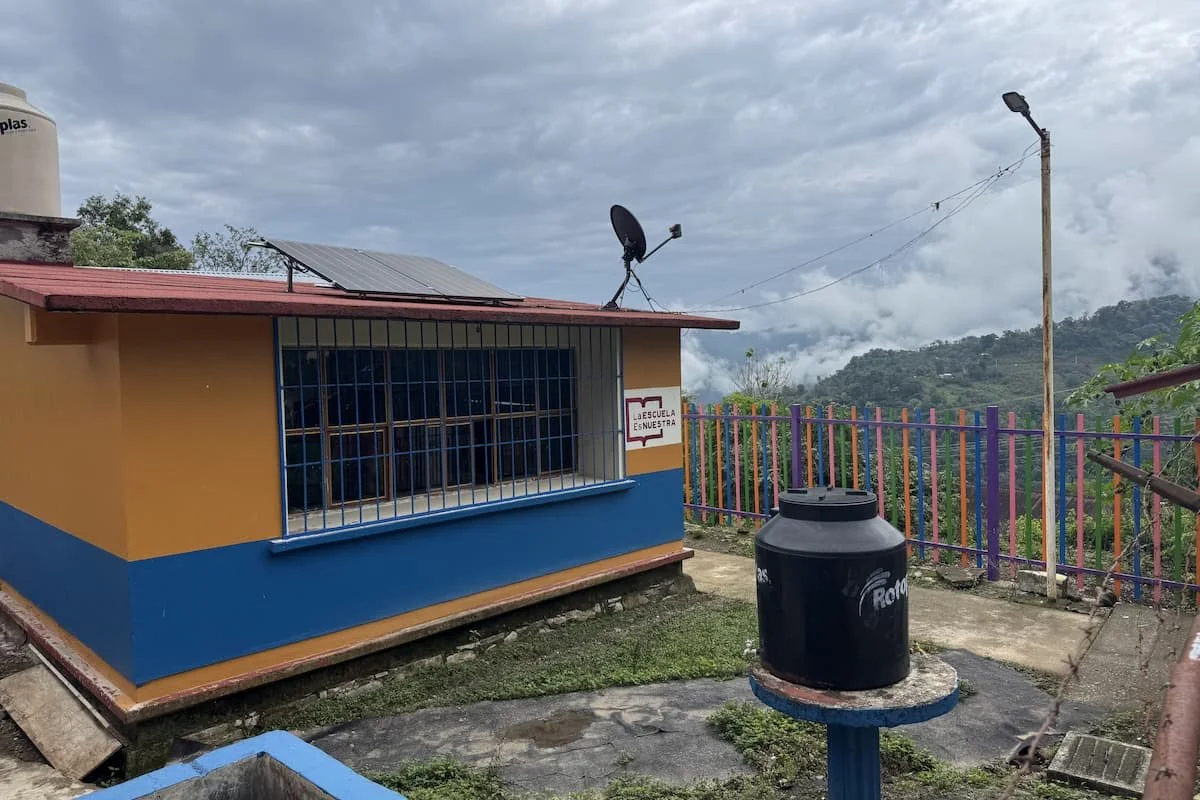
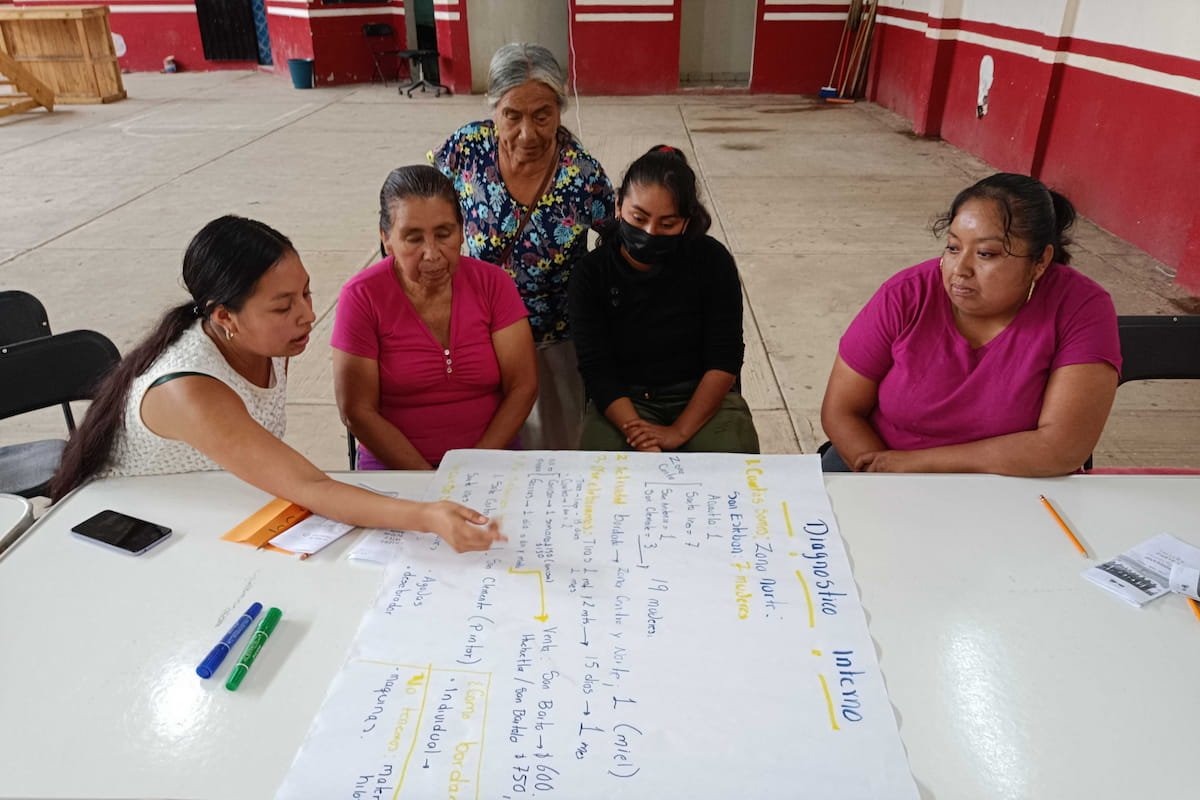
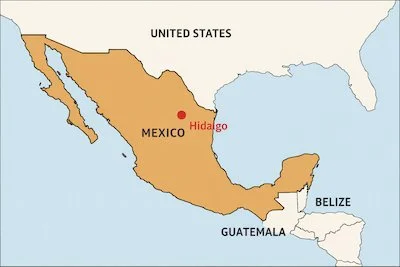
For over nineteen years, PSYDEH has partnered with Indigenous women in Hidalgo, Mexico, to address social, economic, and gender inequality. Through its Tec Para Tod@s (Tech For All) program, PSYDEH builds digital literacy and economic opportunity through a network of community leaders. Since 2022, the Honnold Foundation has supported this work with funding and capacity building focused on solar energy and digital access. In the rural Sierra Otomí-Tepehua-Nahua region, solar systems now power 11 digital resource centers, helping incubate women-led cooperatives, expanding the Sierra Madre online marketplace and opening new opportunities for nearly 5,000 people across 19 Indigenous communities.

Selected excerpts from the PSYDEH Case Study  —  discover the full story here  —

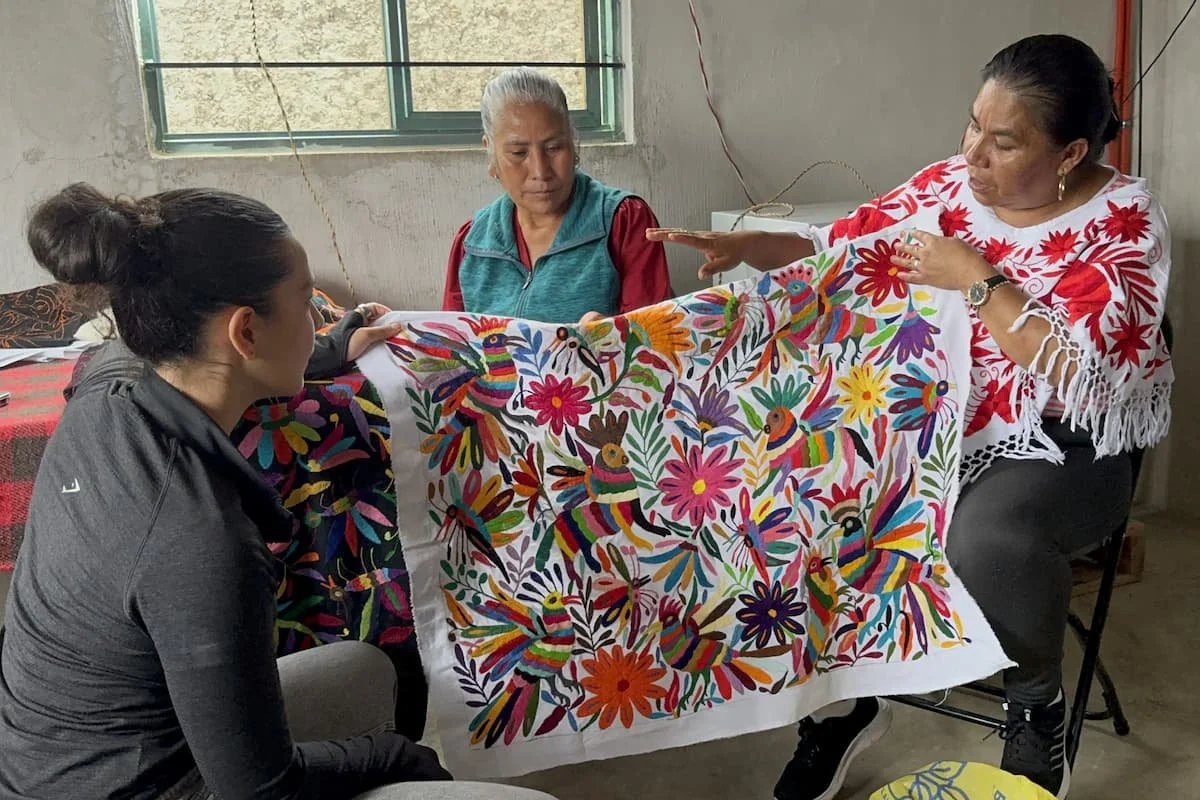
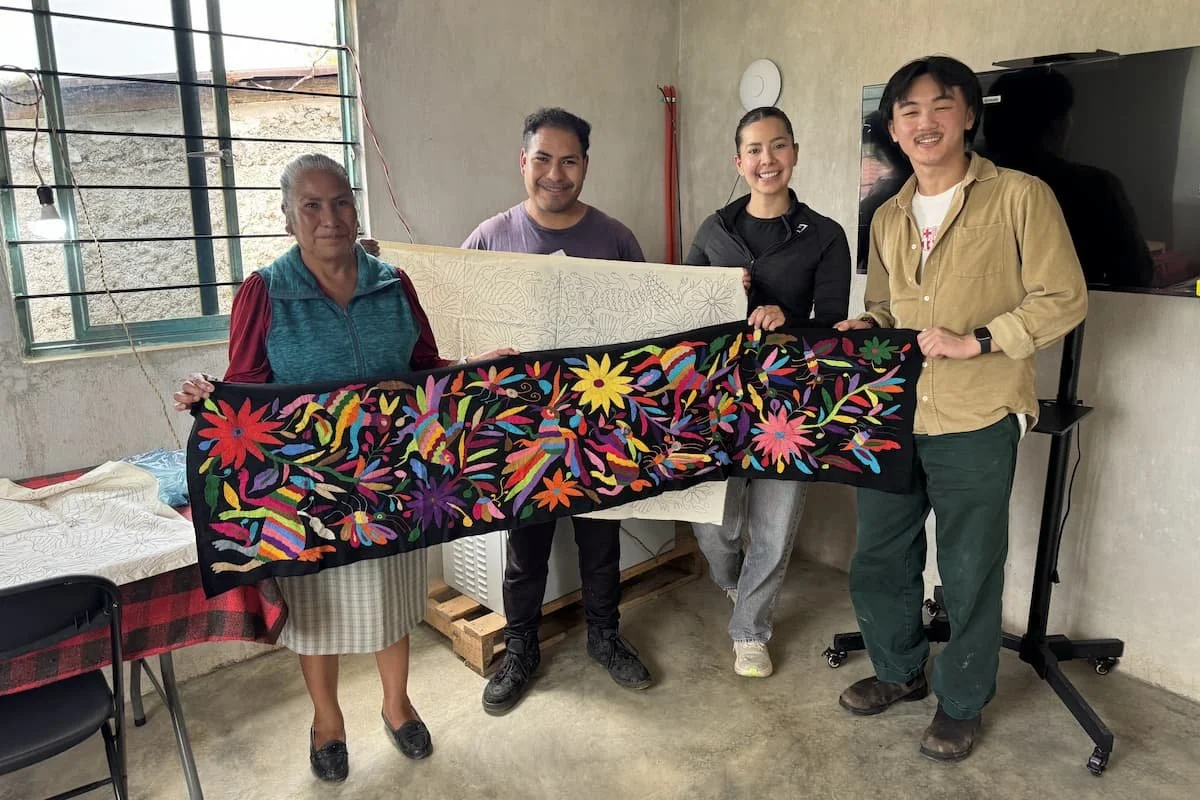
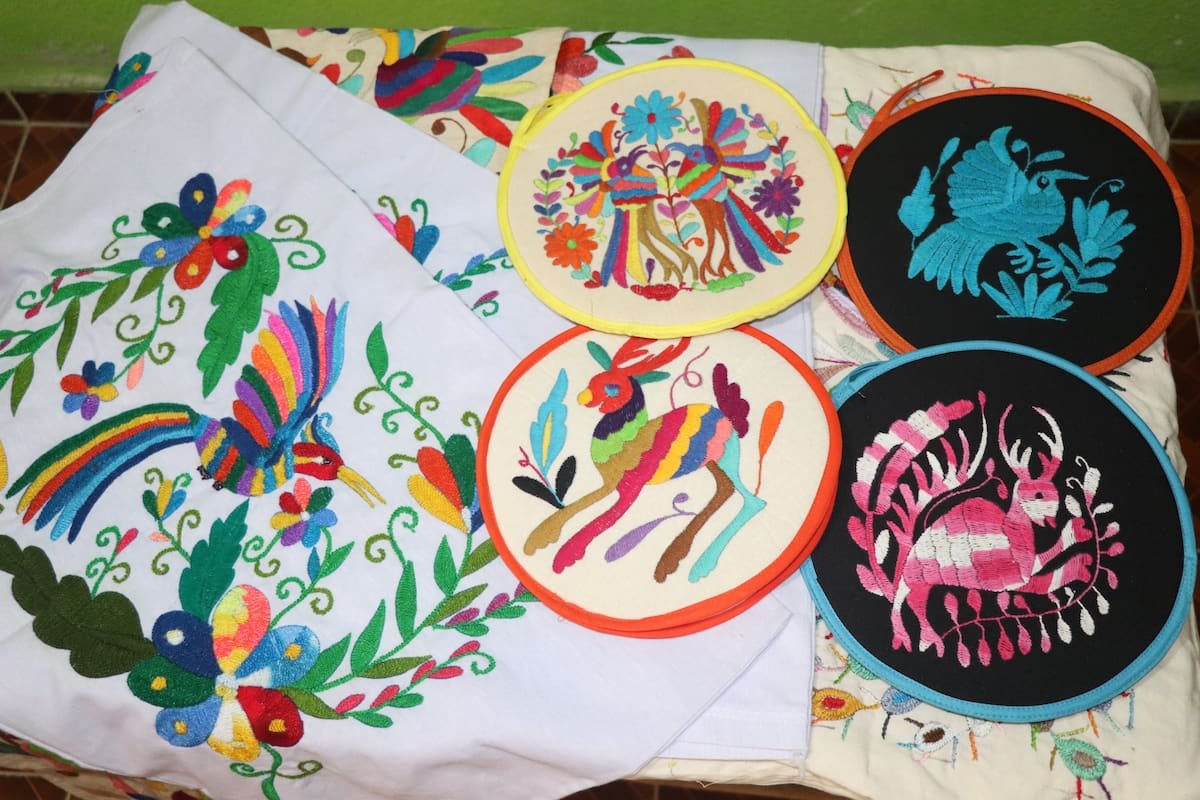
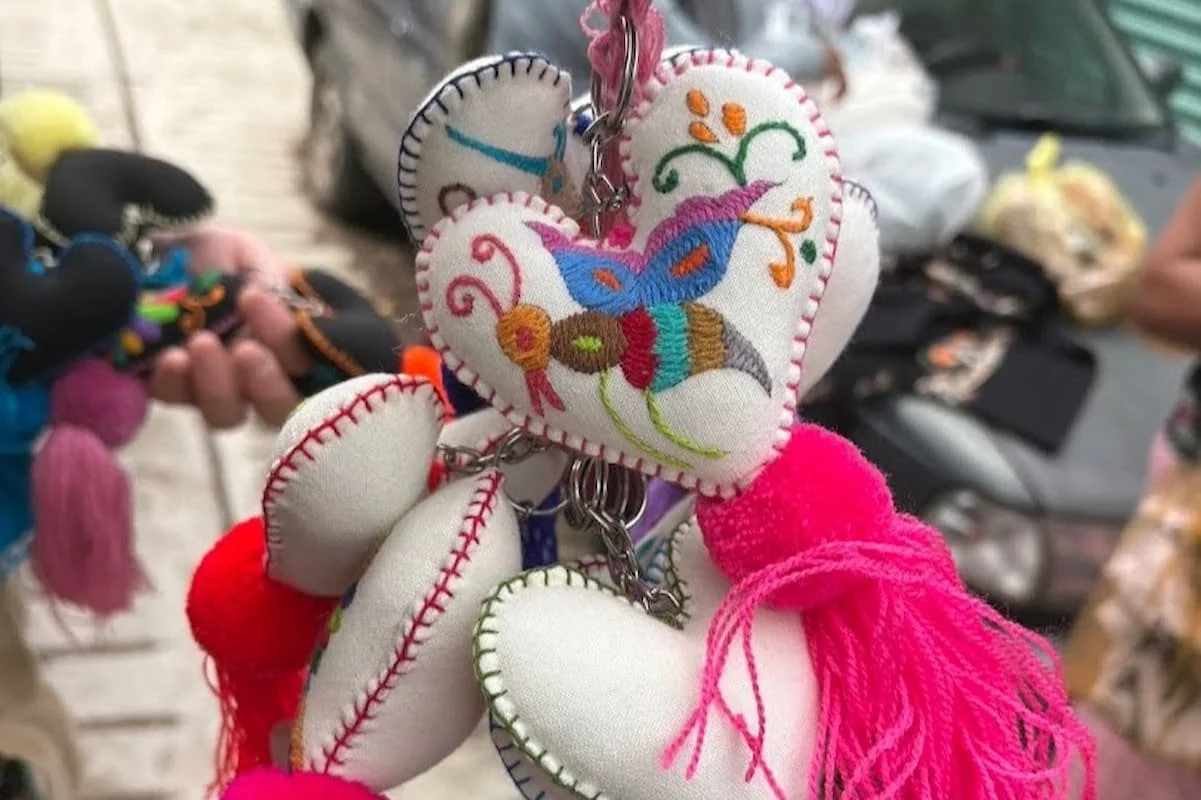
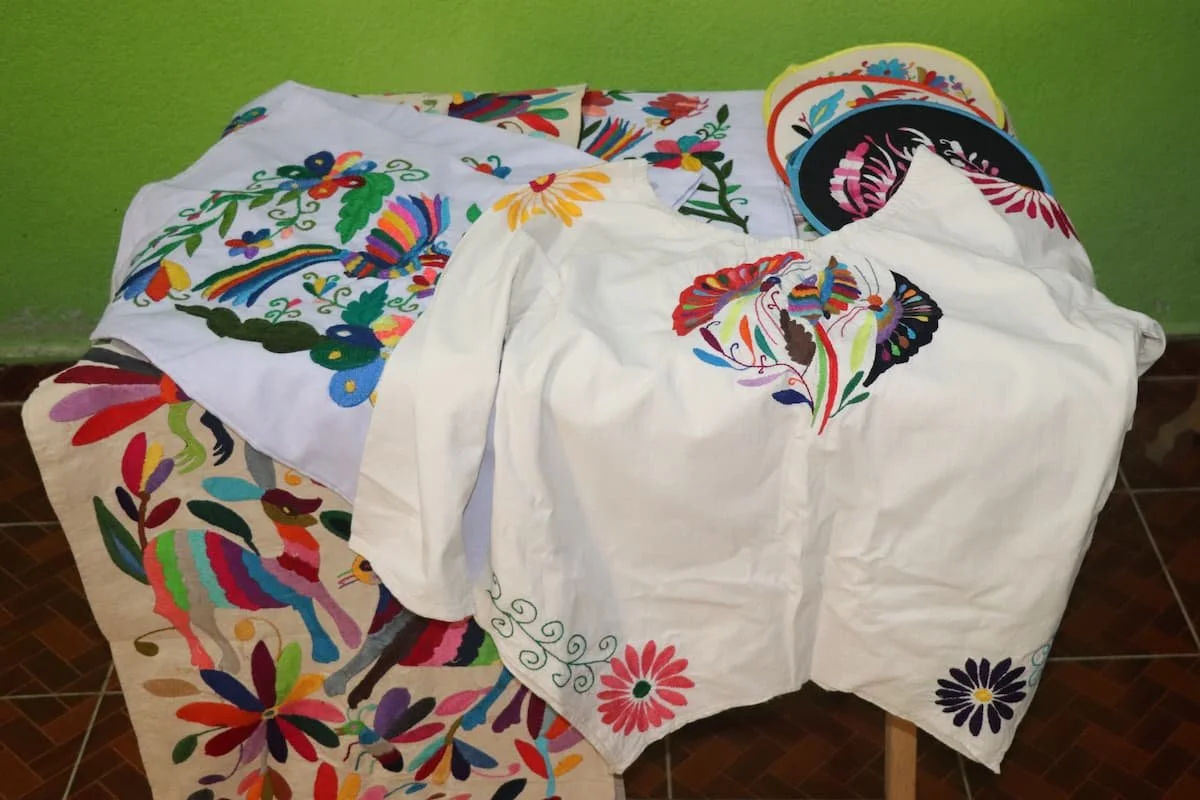
Inside Doña Rosa’s home, her son Diego adjusts the position of a blinking router as Marcelina, a longtime friend, settles in beside us. The three form part of the Tierra de Bordadoras (“Land of Embroiderers”) cooperative, a small embroidery cooperative that specializes in the vibrant, hand-stitched Tenango style native to the region. Between sips of coffee and bursts of laughter, they explain that the cooperative began as a “rifada”—taking a risk. “They said it could be chickens or embroidery,” Doña Rosa recalls, describing the early days of a women-led economic initiative. “Most people weren’t interested,” she says, “But I said yes.” The idea came through PSYDEH, a Hidalgo-based nonprofit that partners with women across the state to confront systemic marginalization by building local leadership, strengthening community networks, and fostering economic self-determination through cooperative models. Today, the work is carefully divided: Diego sketches the designs, while Rosa and Marcelina bring them to life, stitch by stitch.

___

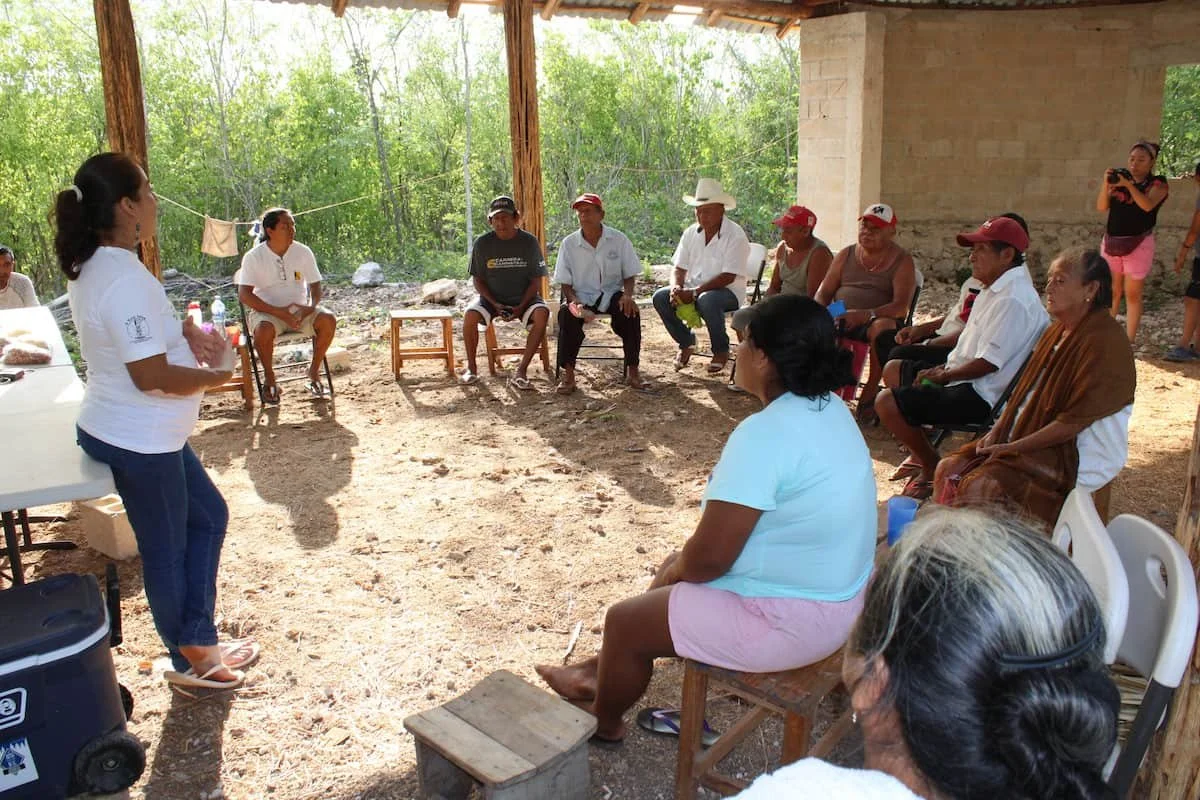
The changes brought by solar and digital access have stretched far beyond the technical. They’ve reshaped daily routines, relationships, and how the women see themselves. “We used to be afraid,” Marcelina says. “We weren’t used to going out. There were people—there still are—who are very machista. And out of fear of being scolded, we’d just stay home.” With each workshop and each new skill, that fear has softened. “Now even our husbands know where we go. Sometimes, they join the events too.”

___

Written by Lawrence Tang. July 2025

Hidalgo, Mexico.


U YICH LU’UM
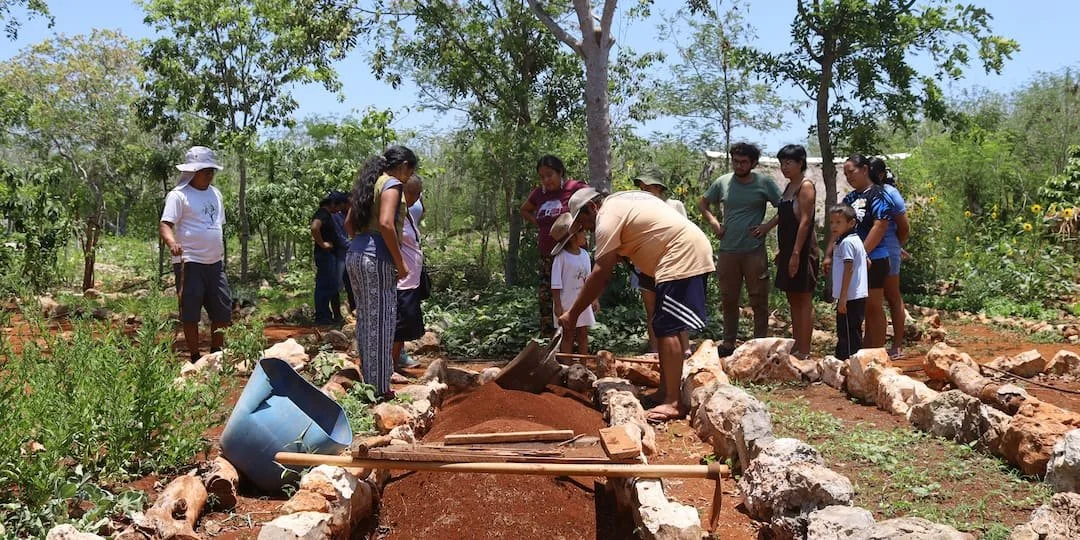
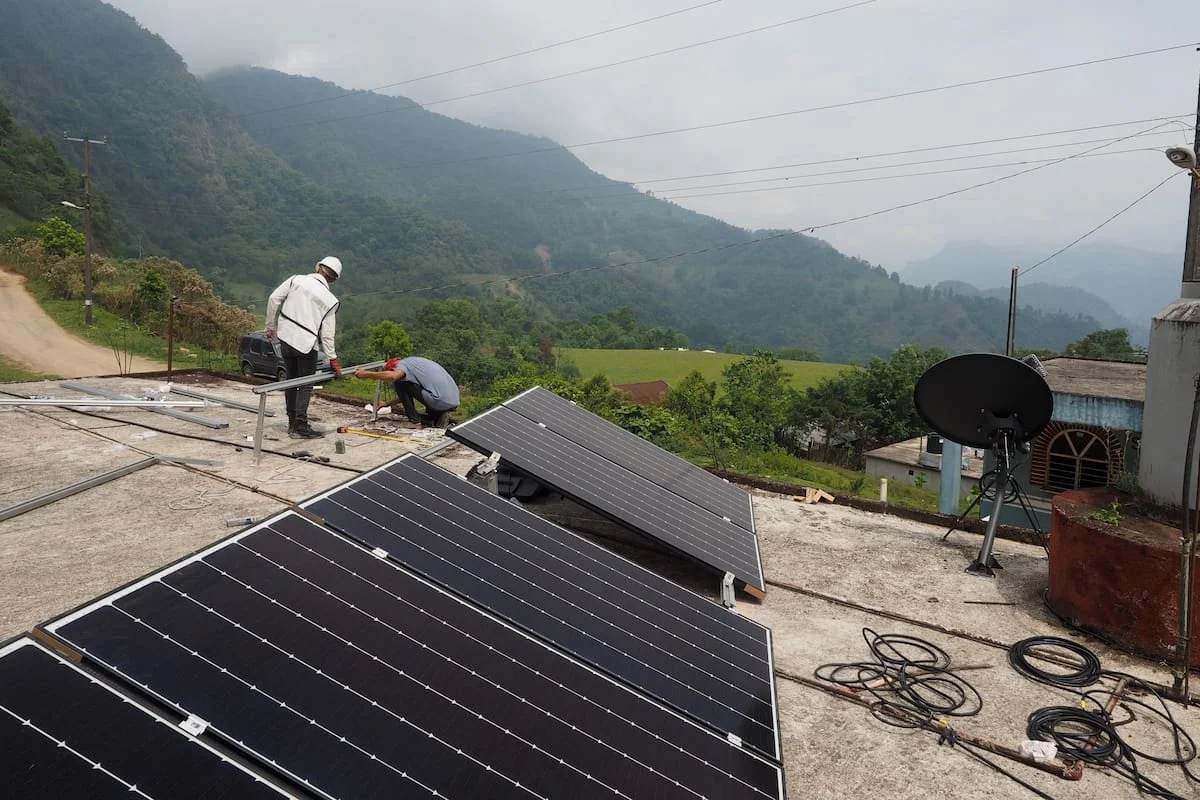
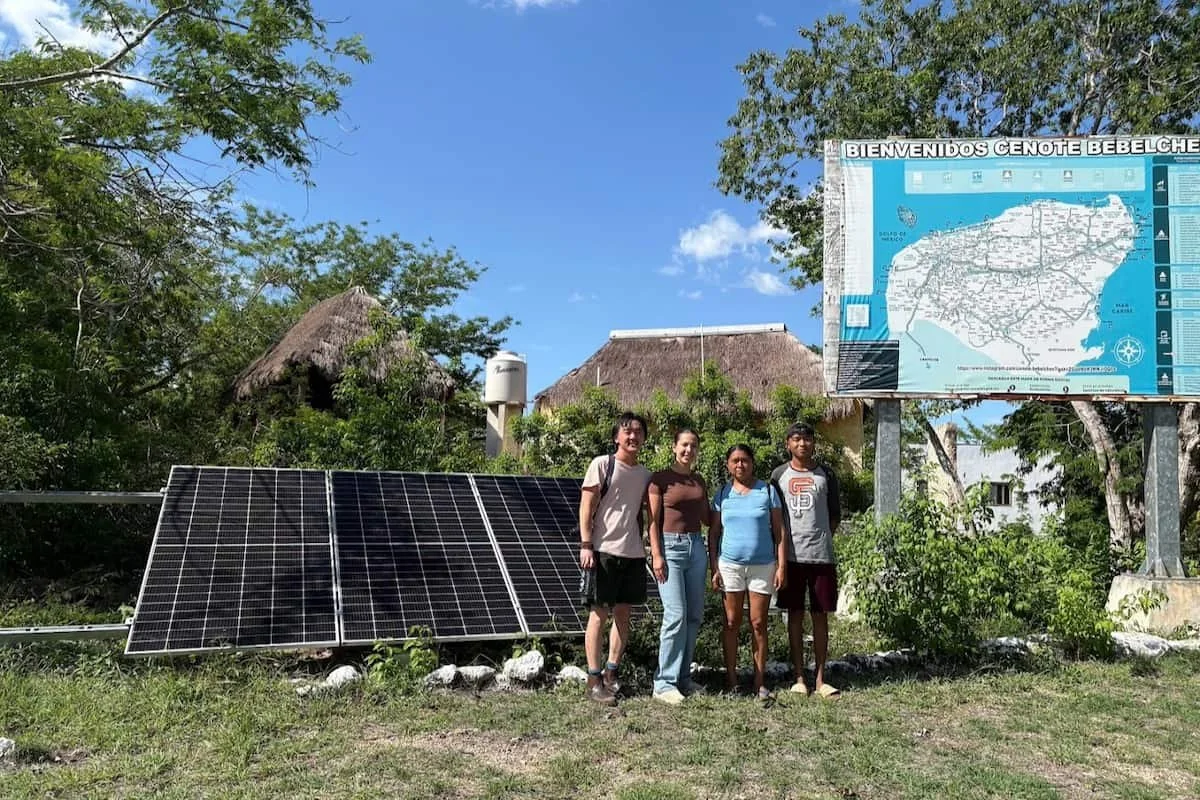
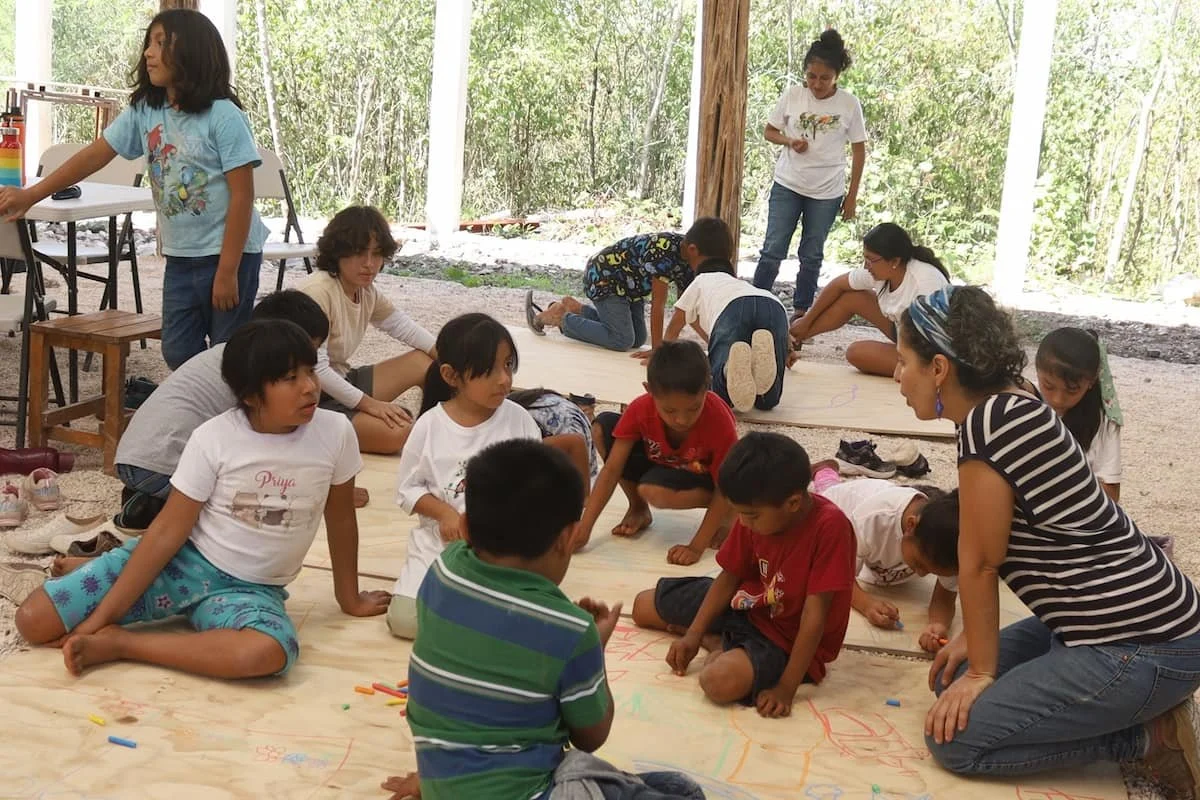
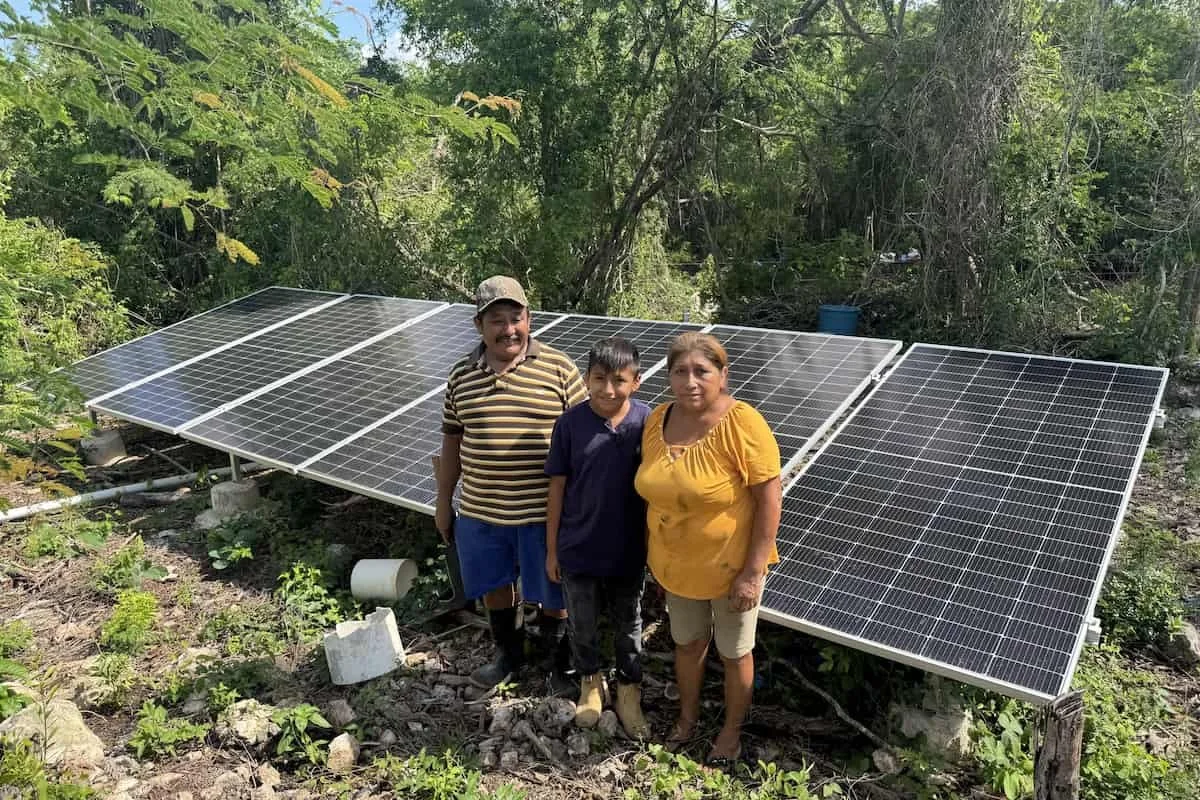
U Yich Lu'um (UYL) is a Maya-led organization dedicated to preserving Indigenous culture, restoring biocultural diversity, and strengthening traditional agriculture. Through its bilingual (Spanish–Maya) Escuela Agroecológica Decolonizante: U Kuchil Tooj Óolal (Agroecology school), women beekeepers, farmers, and youth gather to share ancestral knowledge and nurture intergenerational learning. Since 2023, the Honnold Foundation has partnered with UYL, supporting solar energy access through funding and capacity building. A 12 kW solar installation now powers 5 water pumps and a training center, benefiting eight municipalities and about 275 people—bringing reliable water, strengthening local food production, and helping revitalize Maya language and farming traditions..

Selected excerpts from the U YICH LU'UM Case Study  —  discover the full story here  —

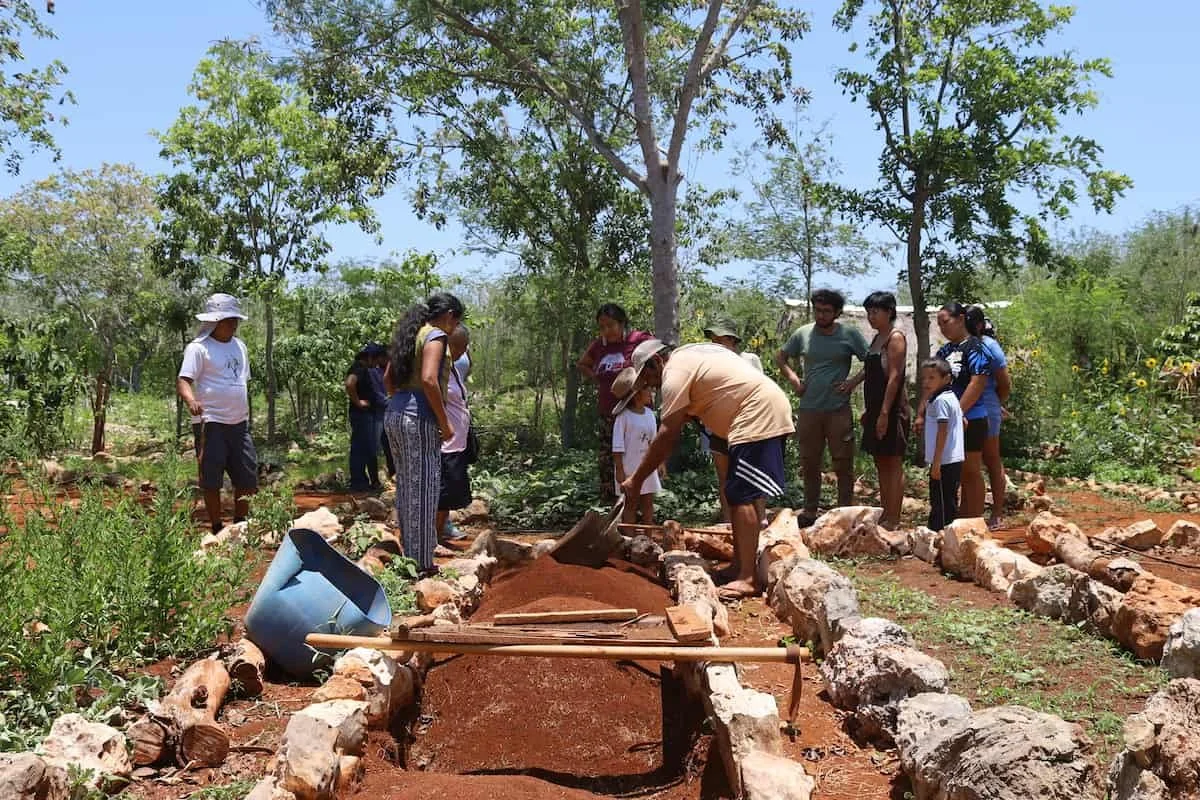
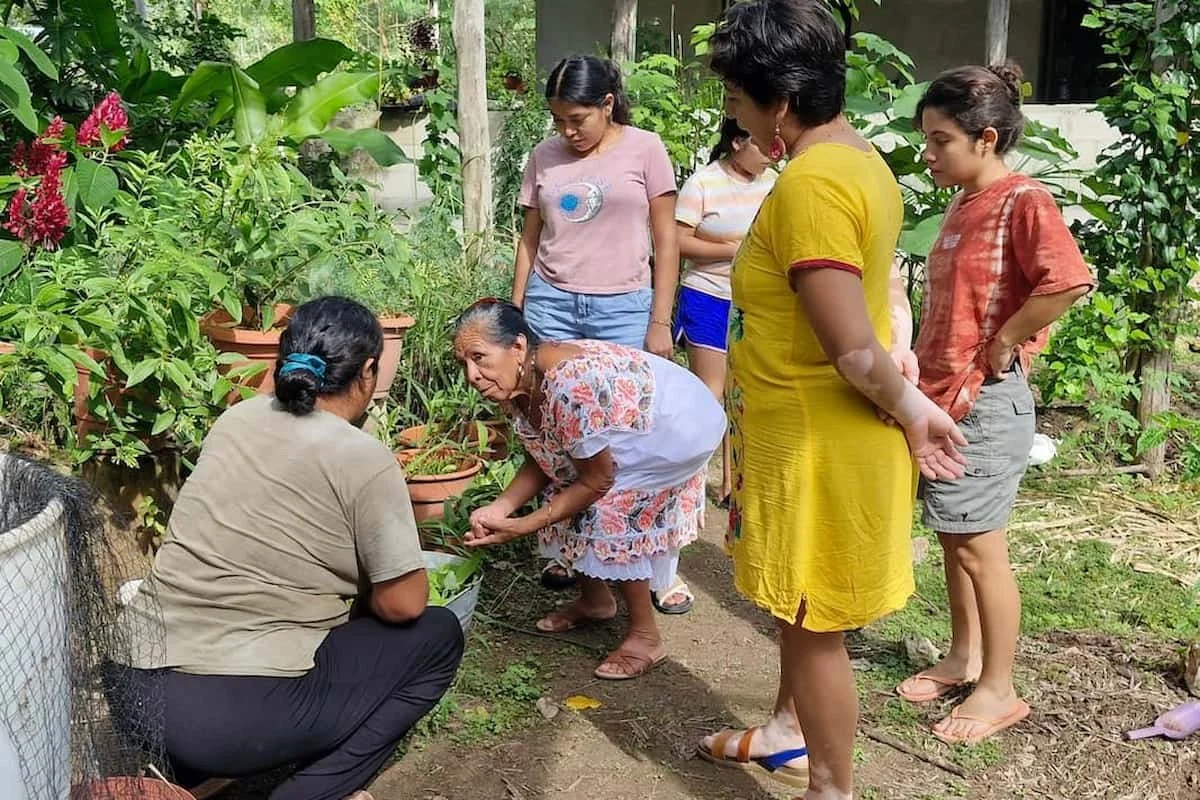
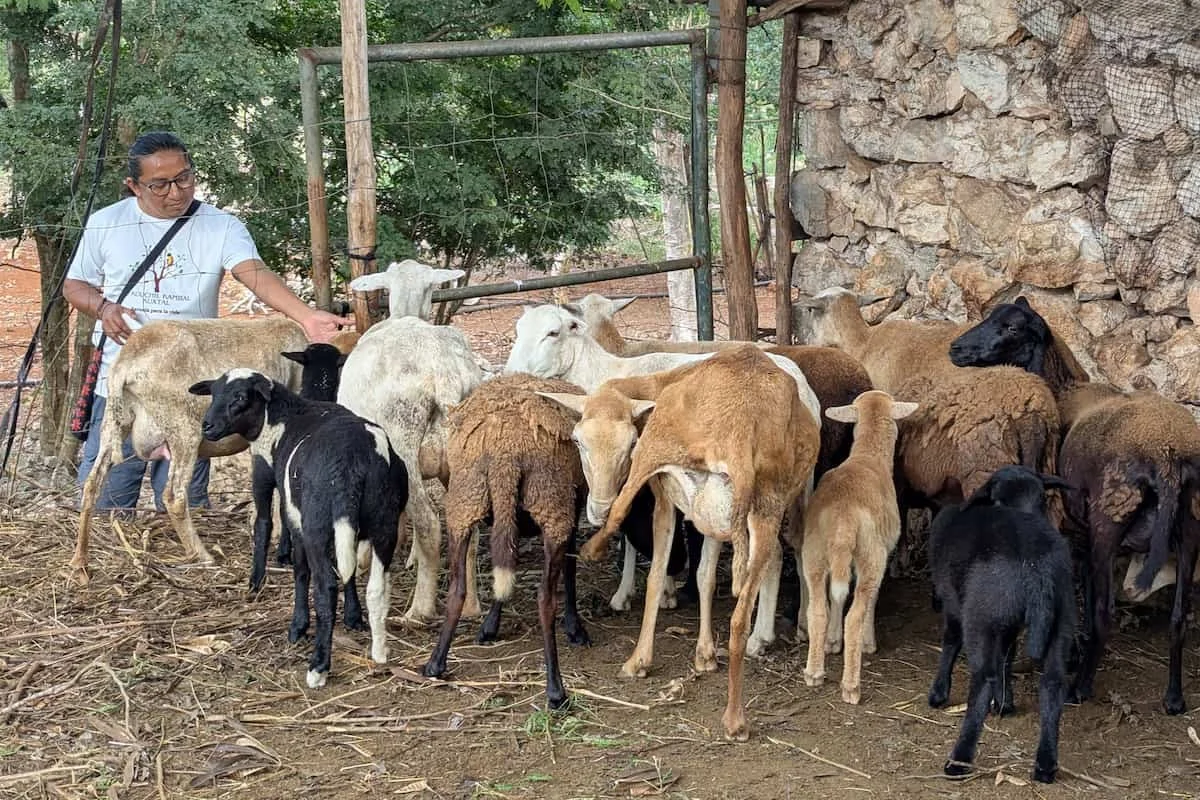
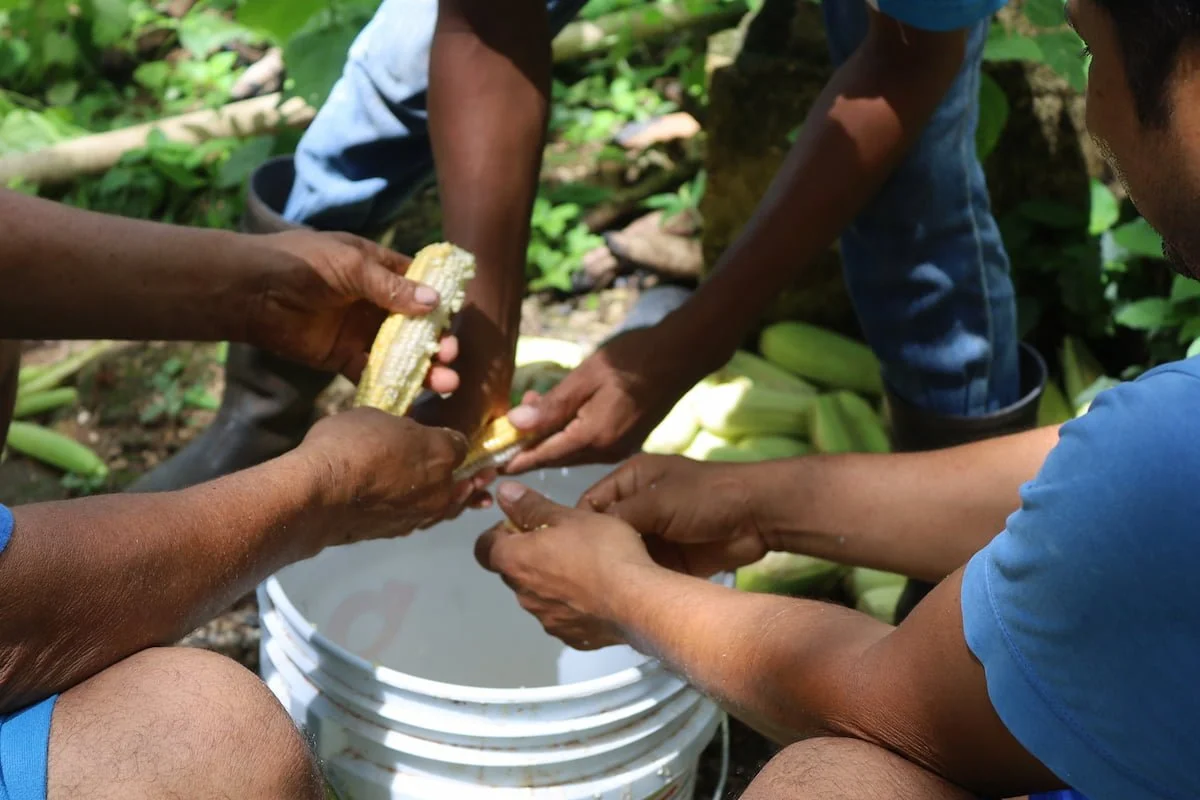
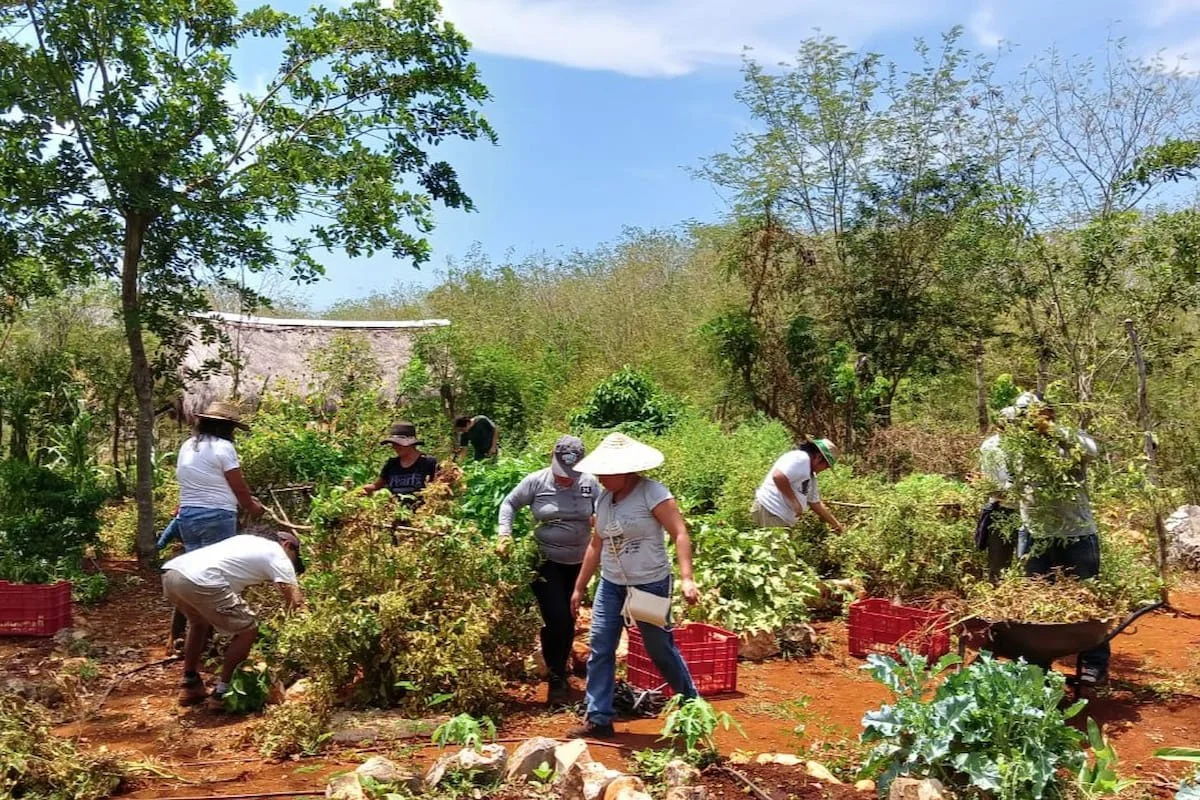
In restoring the land, U Yich Lu’um has turned to traditional agroecological knowledge, reviving ancestral practices rooted in the region for millennia. Central to this effort is the milpa, a traditional polyculture system that involves two years of cultivation followed by eight years of fallow, rejecting extractive logics in favor of interdependence and allowing the land to rest and regenerate. (...) At the Centro Agroecológico, this model now sustains dozens of distinct varieties of maize, beans, and squash. The fields double as a seed bank and a living archive of knowledge, offering local farmers not only a buffer in times of drought, but the freedom to grow, adapt, and experiment. “This land was tired,” says Sara Oliveros López, a U Yich Lu’um coordinator. “But we’re learning how to care for it again. And in doing so, we’re learning to care for ourselves.”

___

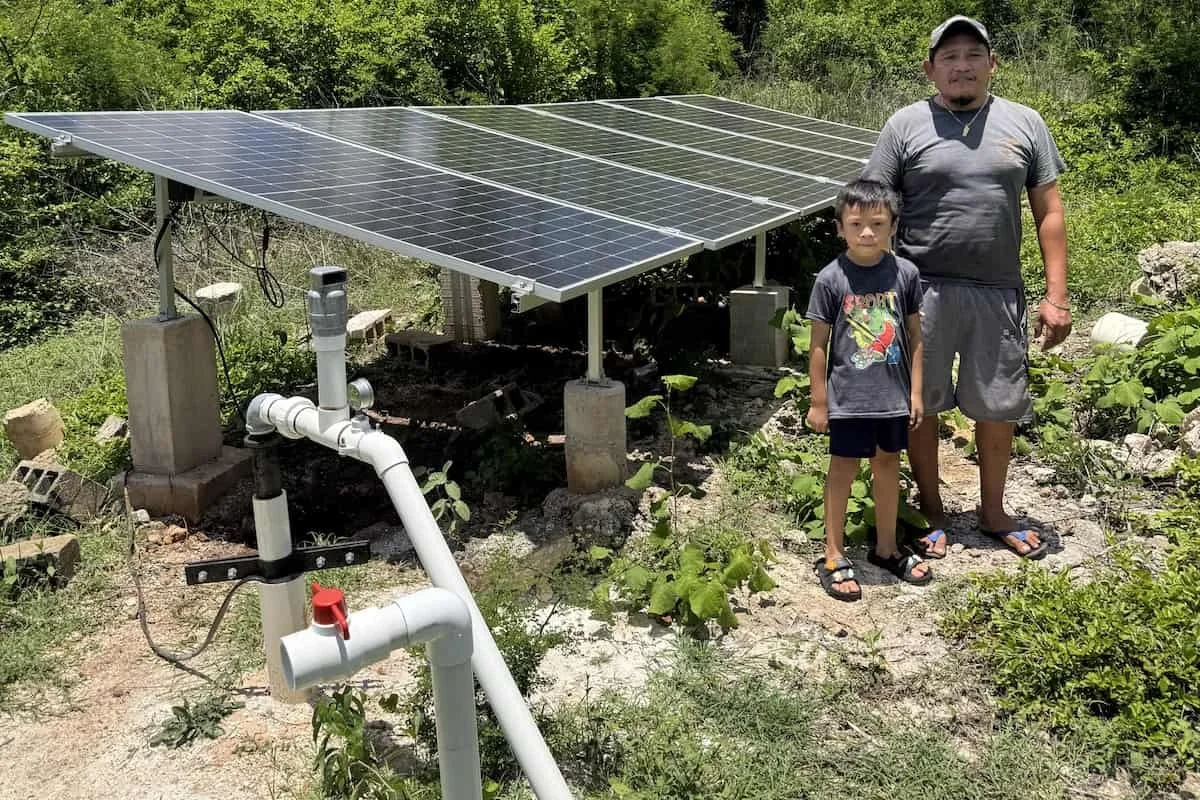
Community members describe the solar project as “bringing water to our dreams.” For local farmers like Don Rodolfo and Doña Roberta in Polabán, the solar pump on their parcel has been life-changing. “Before, we hauled in water by hand and could only farm a little,” they recall. Now, with abundant water on-site, they no longer depend solely on rainfall or expensive fuel for their harvest.

___

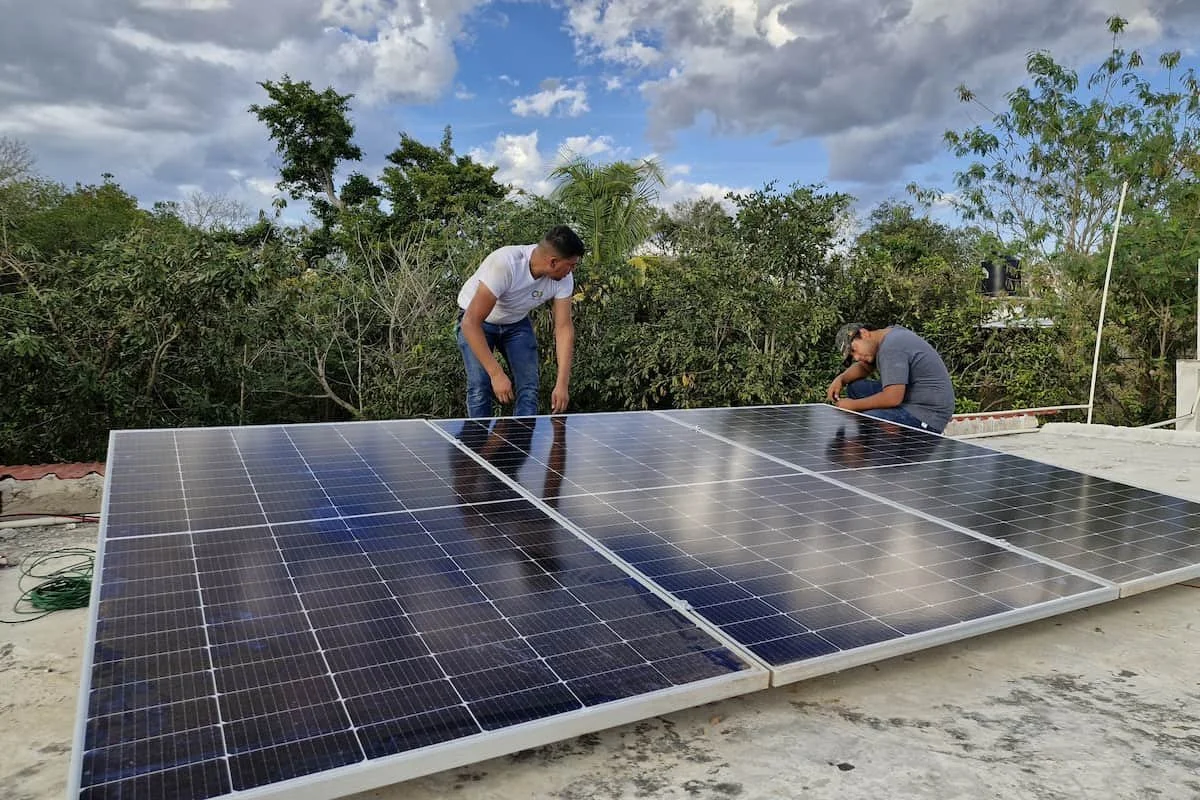
“Everyone can do an installation,” recalls Albert Chan, U Yich Lu’um co-founder. “We were divided into teams and everyone did everything.” From experienced electricians to grandmothers who had never touched a wire before, community members gained the skills and confidence to maintain their own systems. The result was not only functioning infrastructure, but a shared sense of ownership and a growing local network of solar-literate stewards.

___

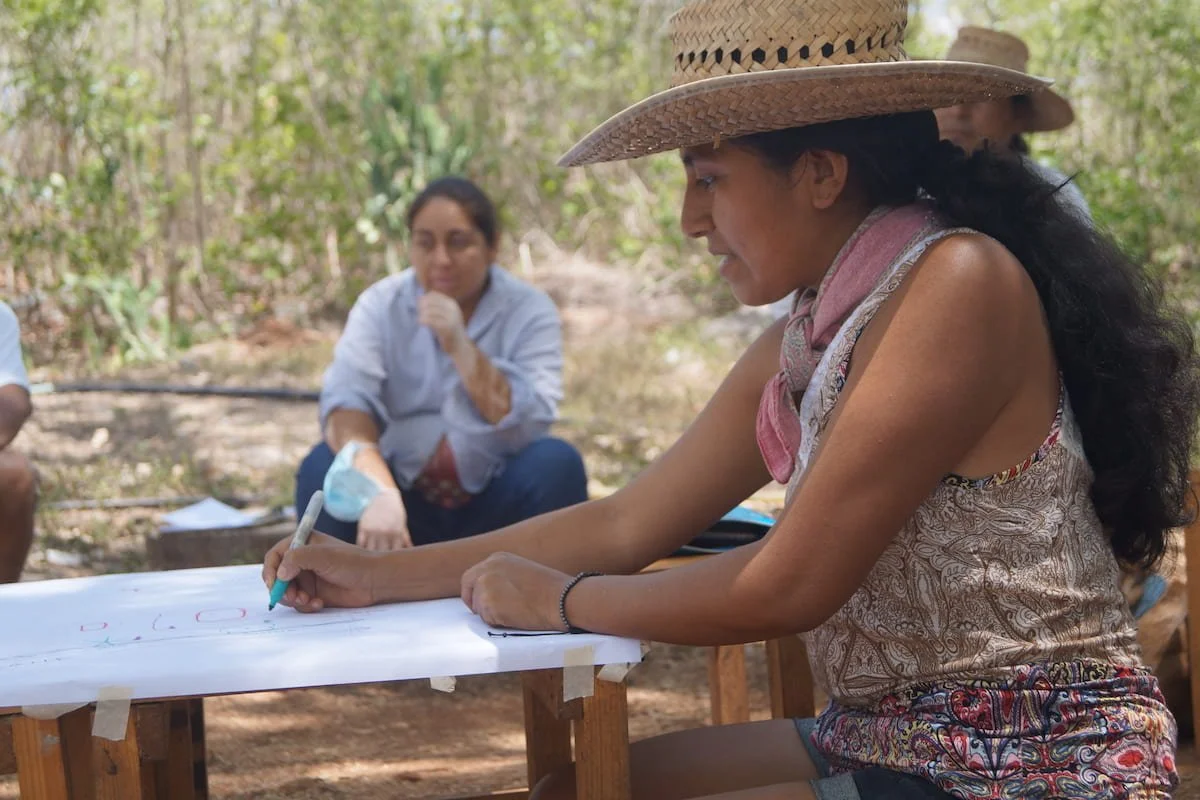
Through agroecological education, community workshops, and the revitalization of the Mayan language, they are re-rooting young people in ancestral knowledge. “How do we make being from a pueblo a source of pride, not shame?” asks Cinthia. Part of the answer lies in showing that Maya identity and innovation are not opposites, but partners. “We dream of living on our land, of staying here with dignity,” she adds. “The solar panels are fertilizer for those dreams.” For U Yich Lu’um, real autonomy means more than producing food and energy. It means reclaiming the right to be Maya, on Maya terms. As Cinthia puts it, their vision is not only for the present, but “for our ancestors, for ourselves, and for those still to come.”

___

Written by Lawrence Tang. July 2025

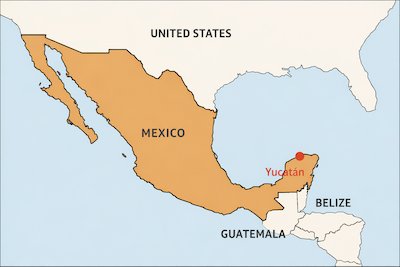
Yucatán, Mexico.