
Impact Spotlight
Solar-powered electric fences to improve coexistence between 20 rural families and the Andean bear
20 rural families trained on operating electric fencing for livestock production
20 rural families transitioned toward a sustainable livestock management model through pasture rotation
About
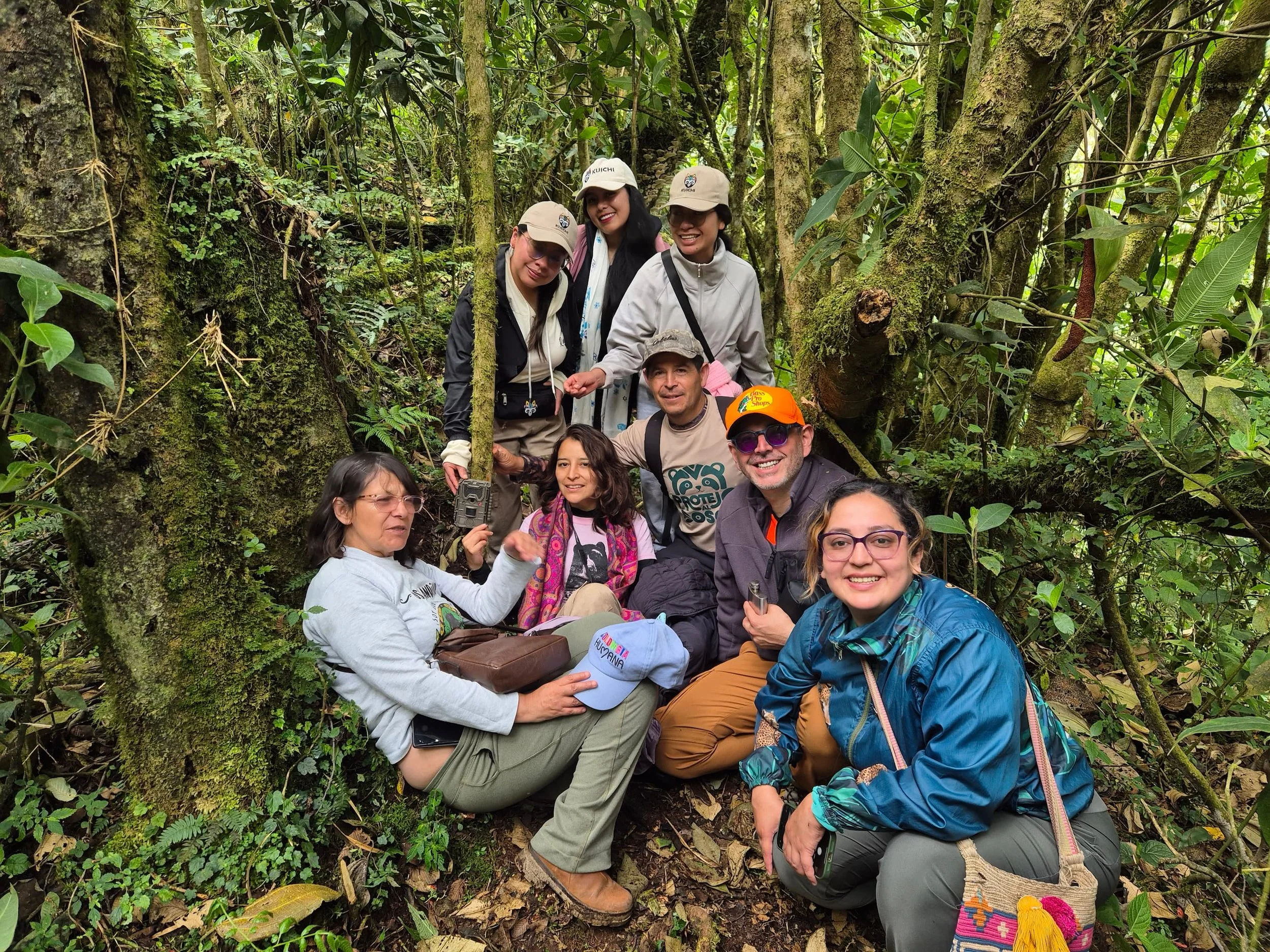
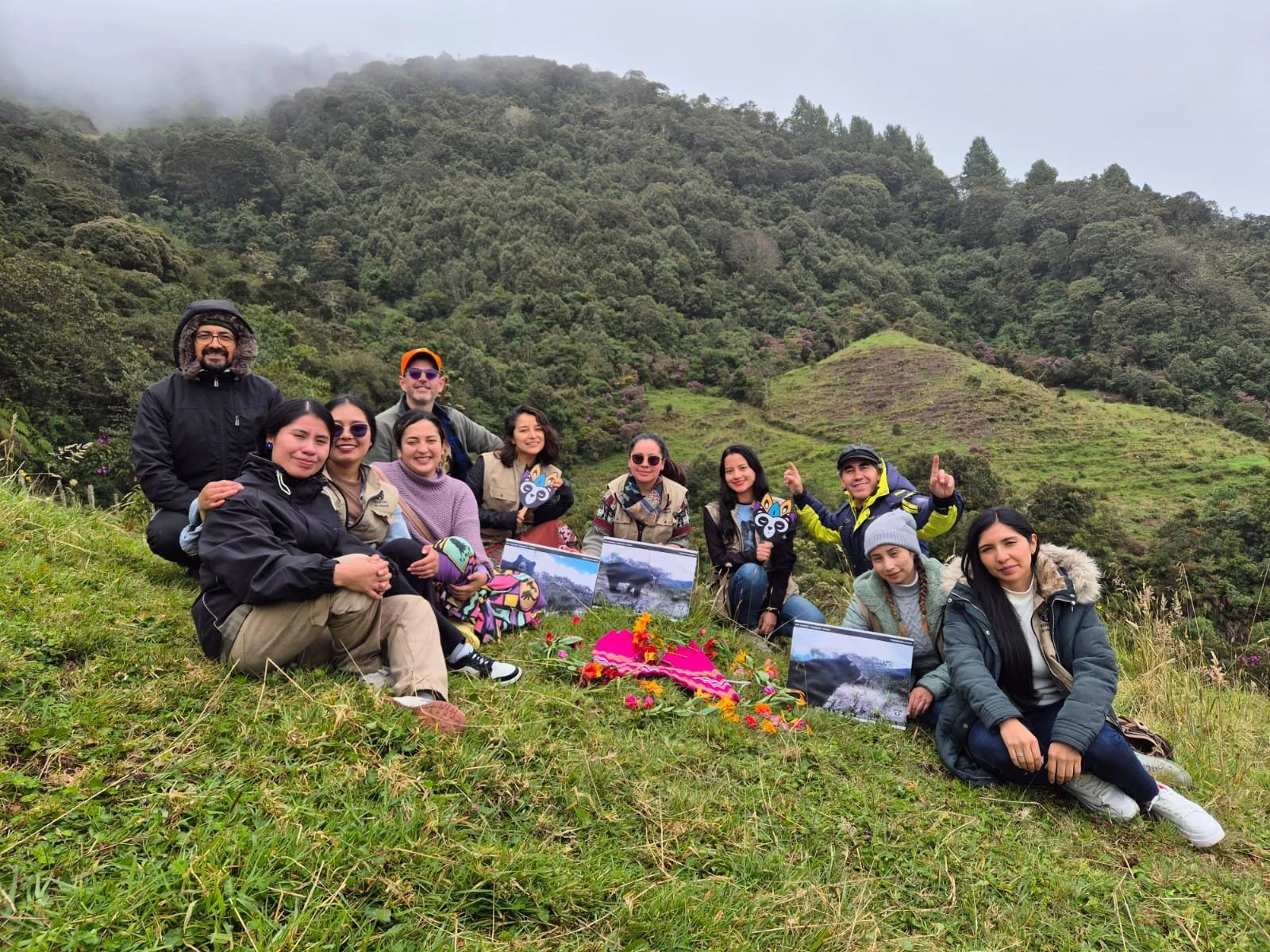
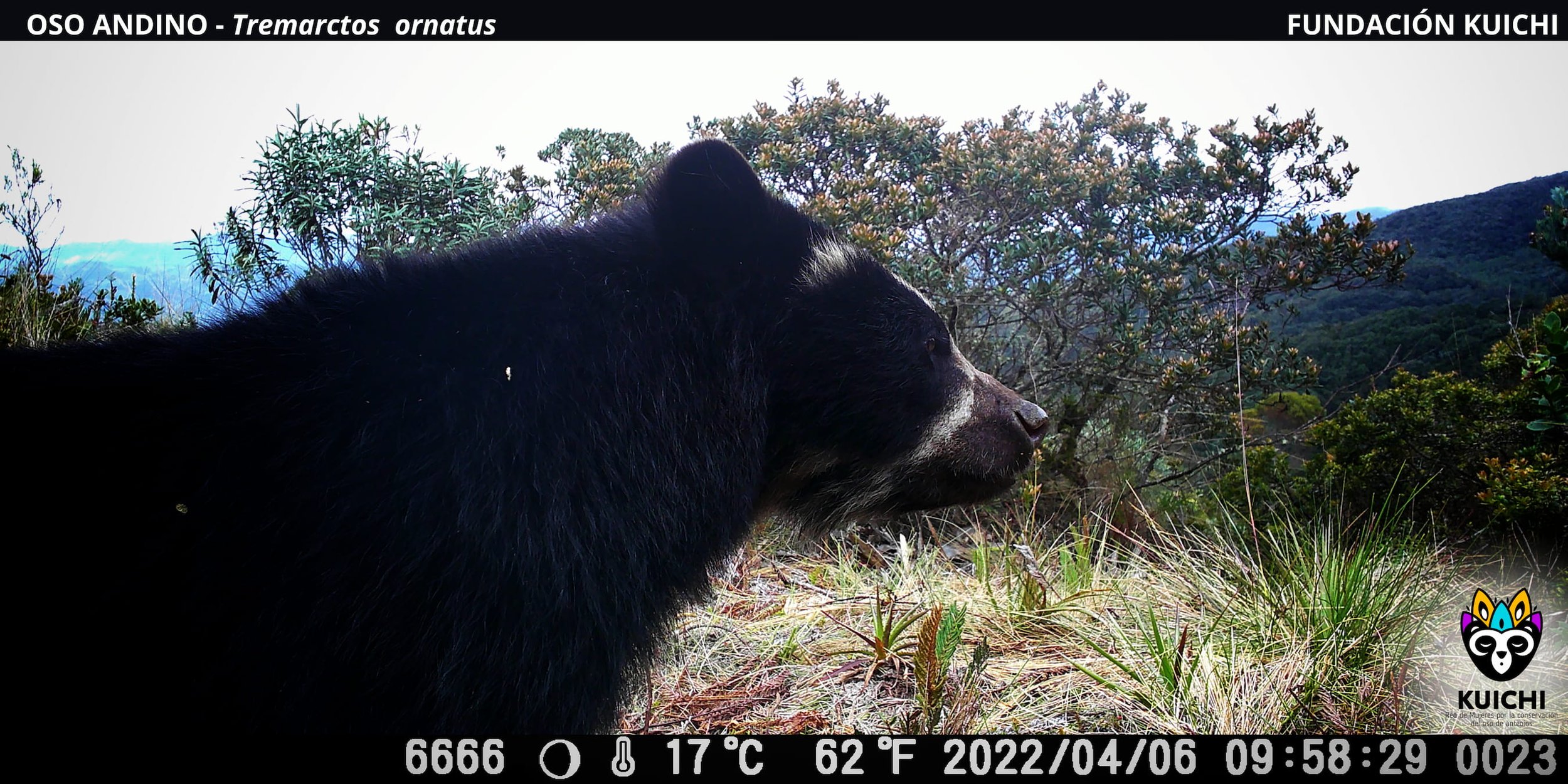
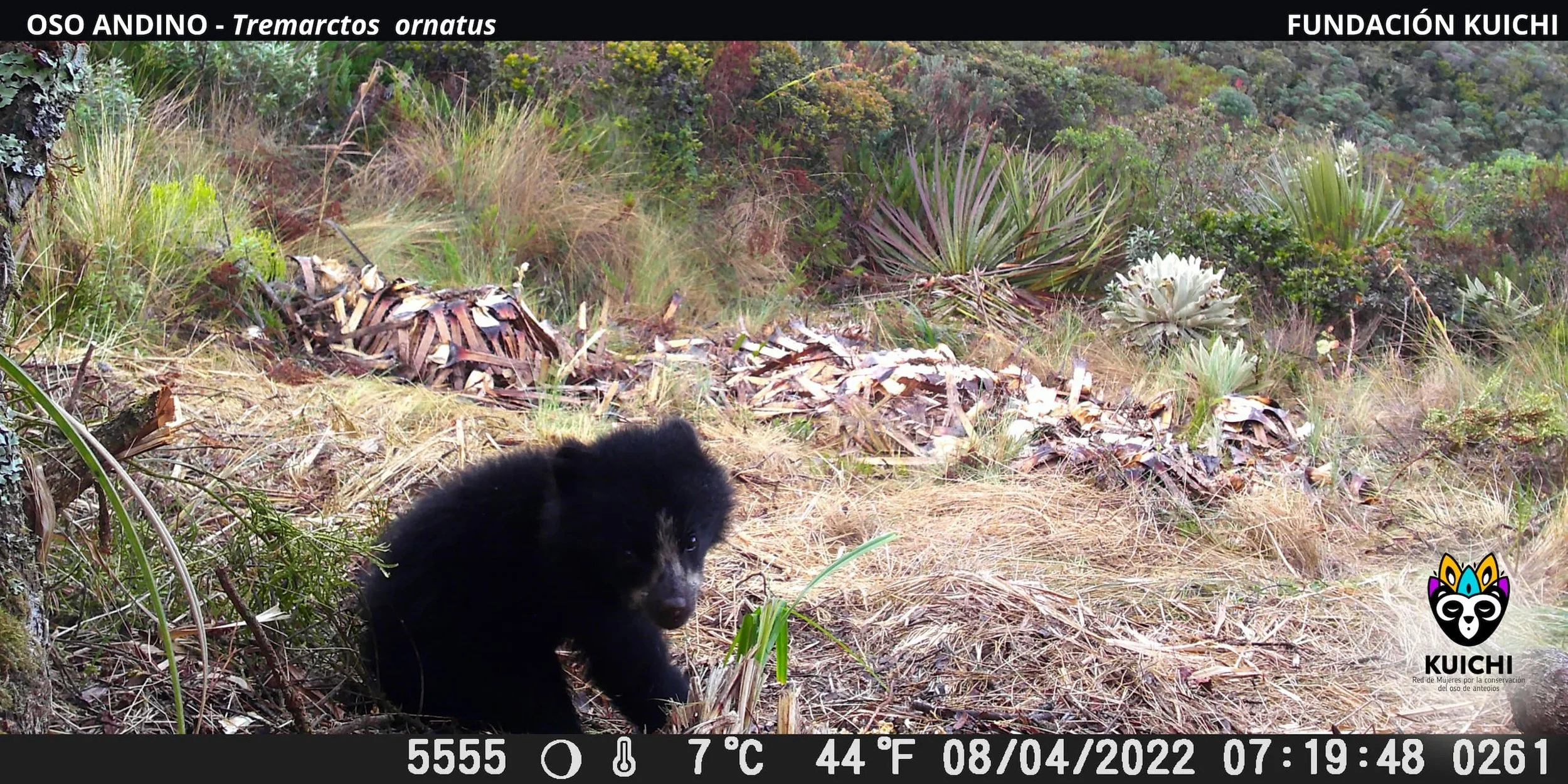
Fundación KUICHI works in the department of Nariño, Colombia, a territory of high ecosystem diversity where Andean and high-Andean forests, ecological corridors, and productive rural areas converge. The Andean bear inhabits areas close to communities and farms, which has historically generated a relationship marked by tensions related to land use, cattle-ranching expansion, and the perception of the bear as a threat to livelihoods. This coexistence has led to recurring conflicts, mainly over harm to livestock, and in some cases to hunting or persecution that increases the species' vulnerability and affects the region's ecological balance.
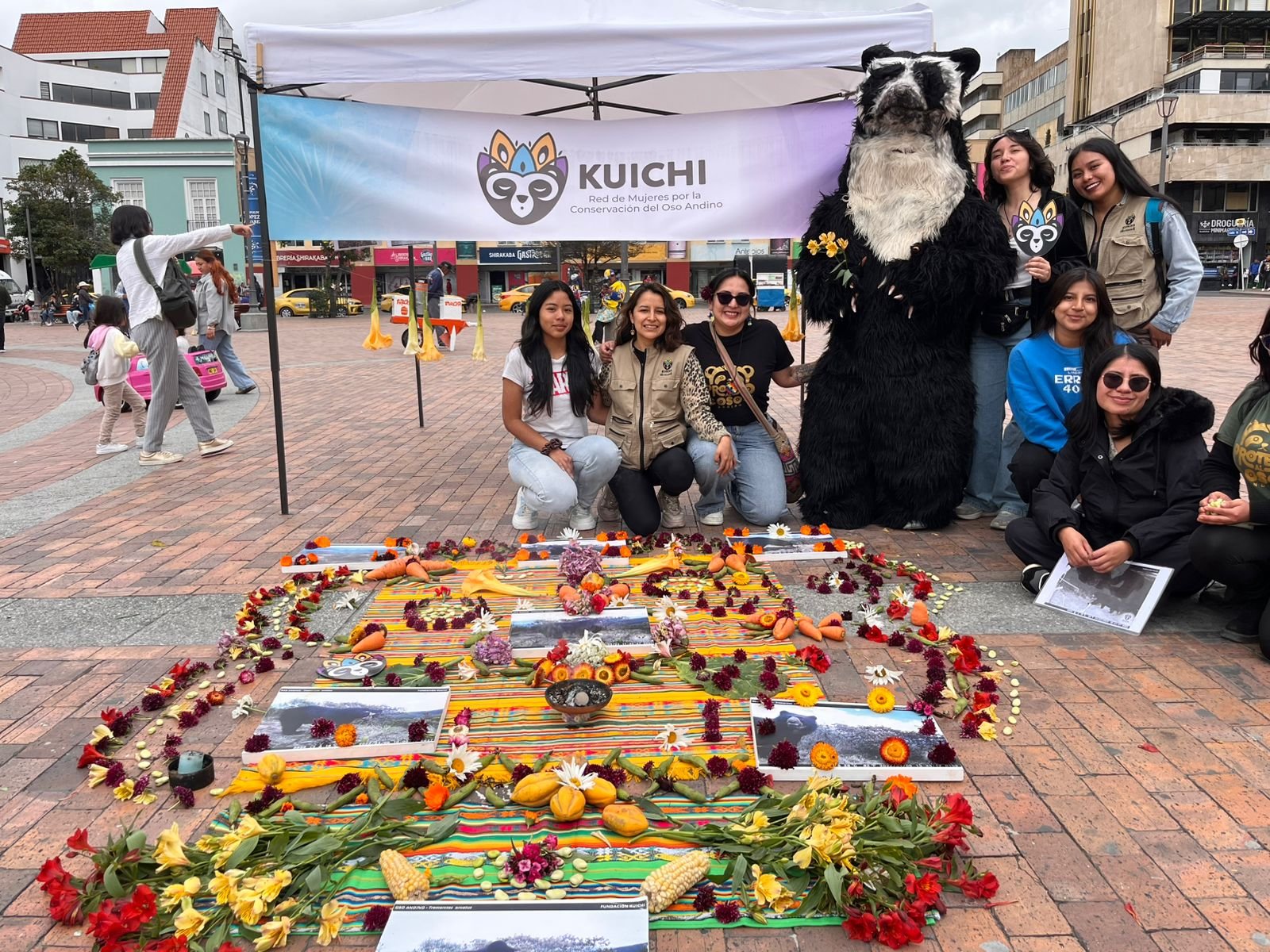
KUICHI works with rural communities that depend on livestock farming, agriculture, and other local economies affected by environmental and climate dynamics. The organization approaches conservation through both biological and social and economic strategies that strengthen community resilience, reducing pressure on habitat and building agreements of shared responsibility with local and institutional actors. Its mission is to weave together species conservation with gender equity, contributing to climate justice and to adaptation and mitigation in the face of climate change.
“(The bear) is our guardian of the water sources, it is the one that spreads the seeds, and thanks to it we still have green mountains (...) Because of it we have the páramos, and they are well cared for (...) The bear is the guardian of the mountains, of the páramos.”
HF Partnership
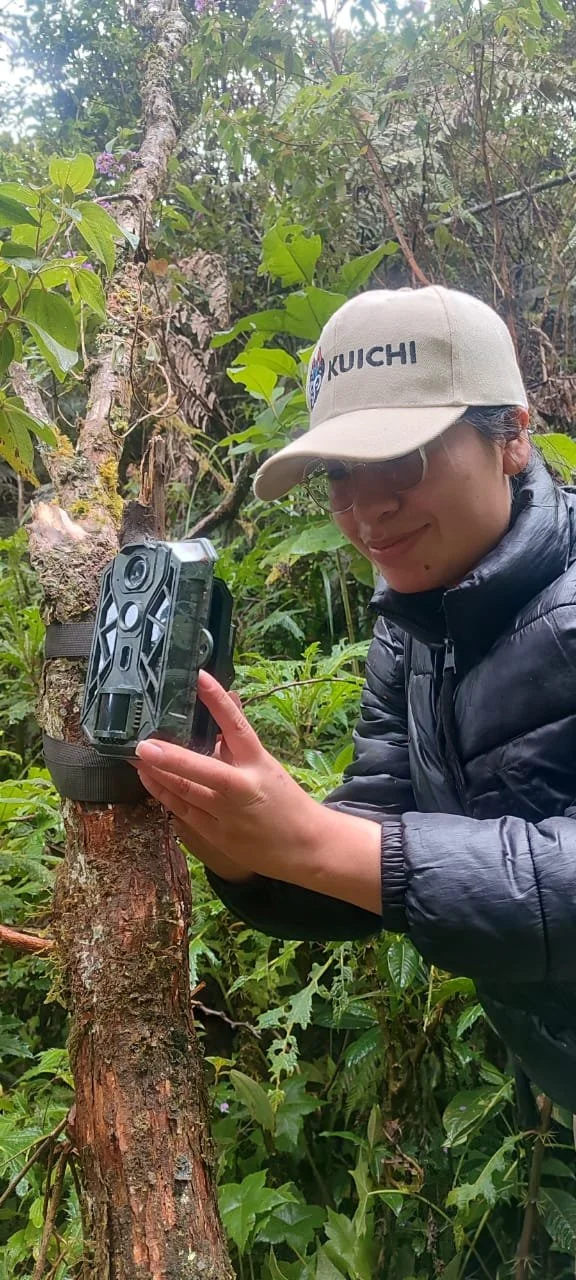
Kuichi, in collaboration with the Honnold Foundation, will carry out the project "Weaving Networks with Solar Energy for Andean Bear Conservation." Over nine months, the project will install 20 standalone solar photovoltaic kits (50W panels, 20Ah batteries) to power deterrent electric fences on rural women's properties, reducing Andean bear attacks on livestock and enabling the planting of improved pastures (ryegrass) on 10 to 20 hectares under a pasture rotation system.
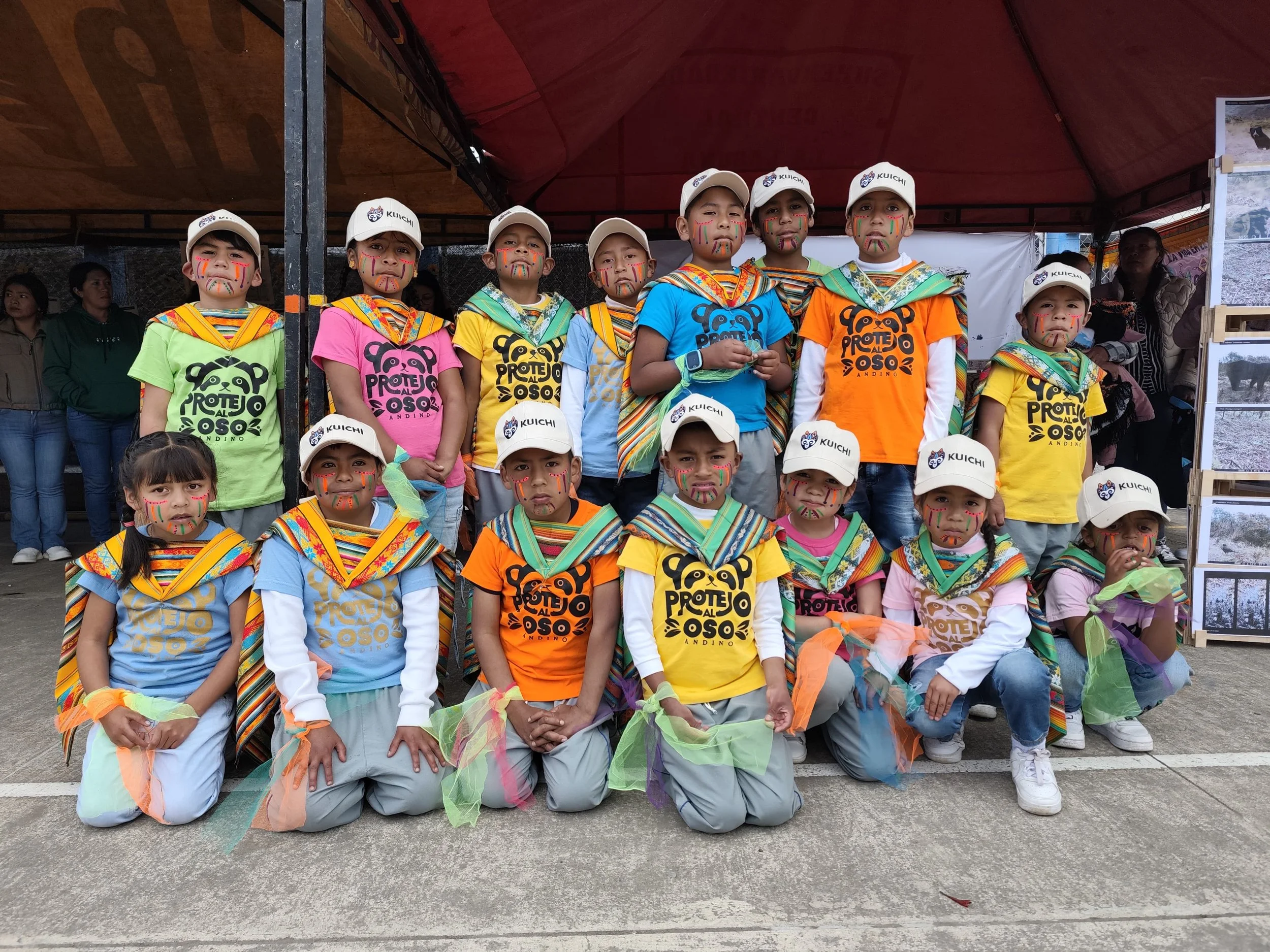
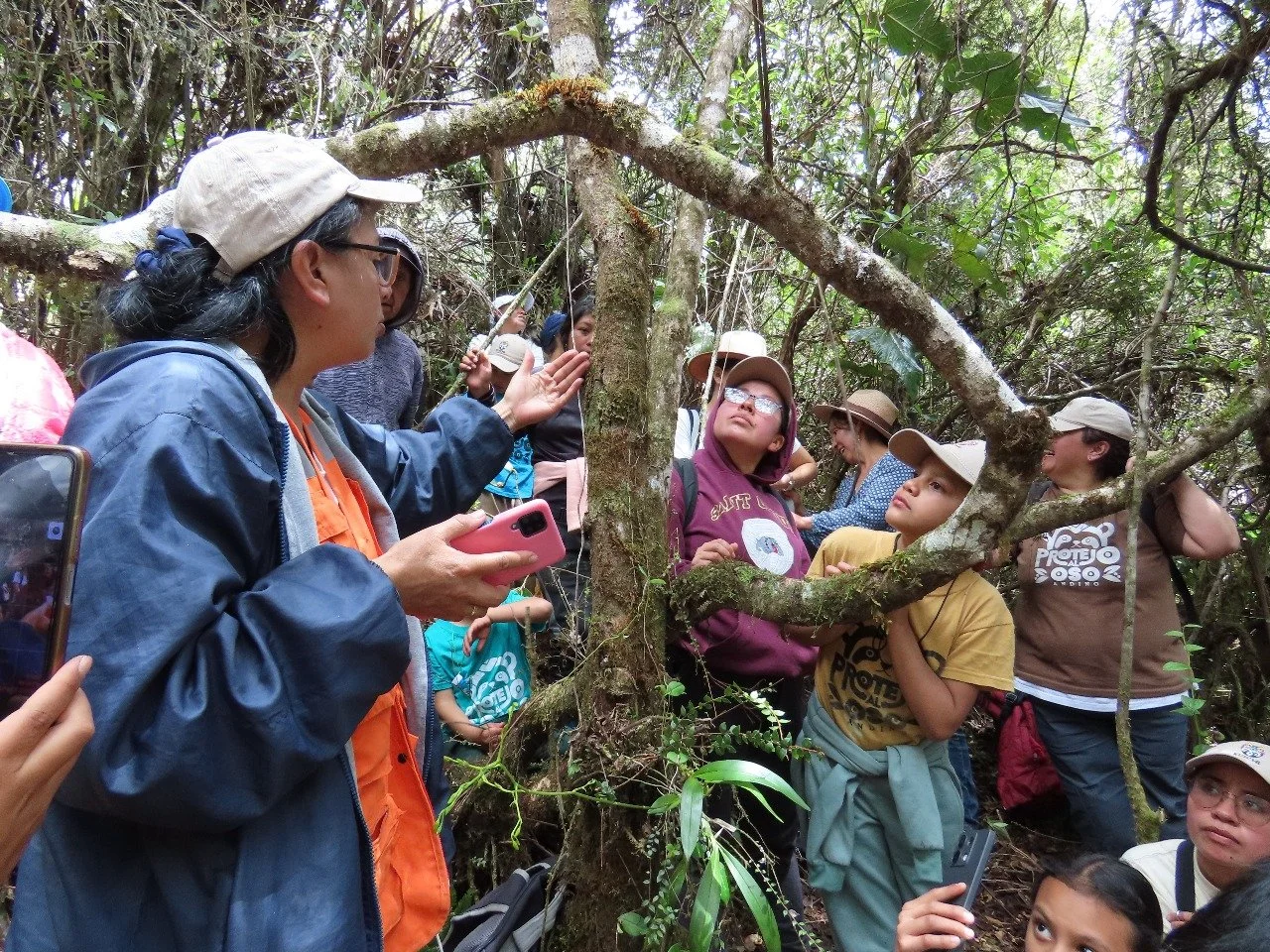
Activities include six Farmer Field Schools on solar fence management, sustainable livestock practices, energy alternatives, agrobiodiversity, and waste management; community stamping workshops; outreach and closing meetings; and a social media communications campaign. The 20 direct beneficiaries, along with 100 people from their family units indirectly, will participate as technical partners, contributing unskilled labor and receiving training in preventive system maintenance.
The project is expected to strengthen women's leadership in STEM and community governance, transform negative perceptions of the Andean bear, coordinate with local institutions, and demonstrate that solar energy is a viable tool for conservation and sustainable agricultural production in high-mountain areas, under a feminist climate justice and shared-responsibility approach.




Resources
In the News