Impact Spotlight
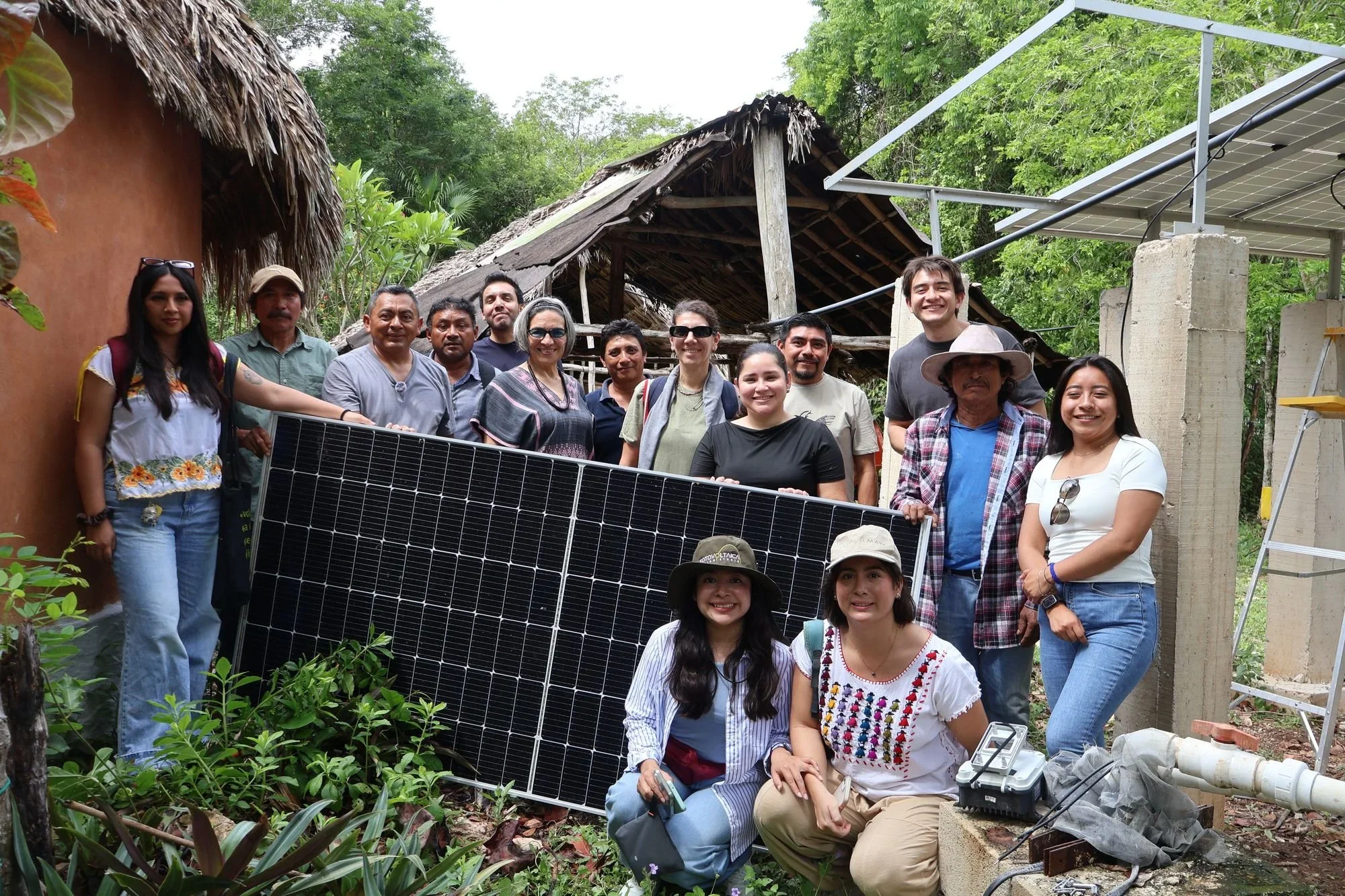
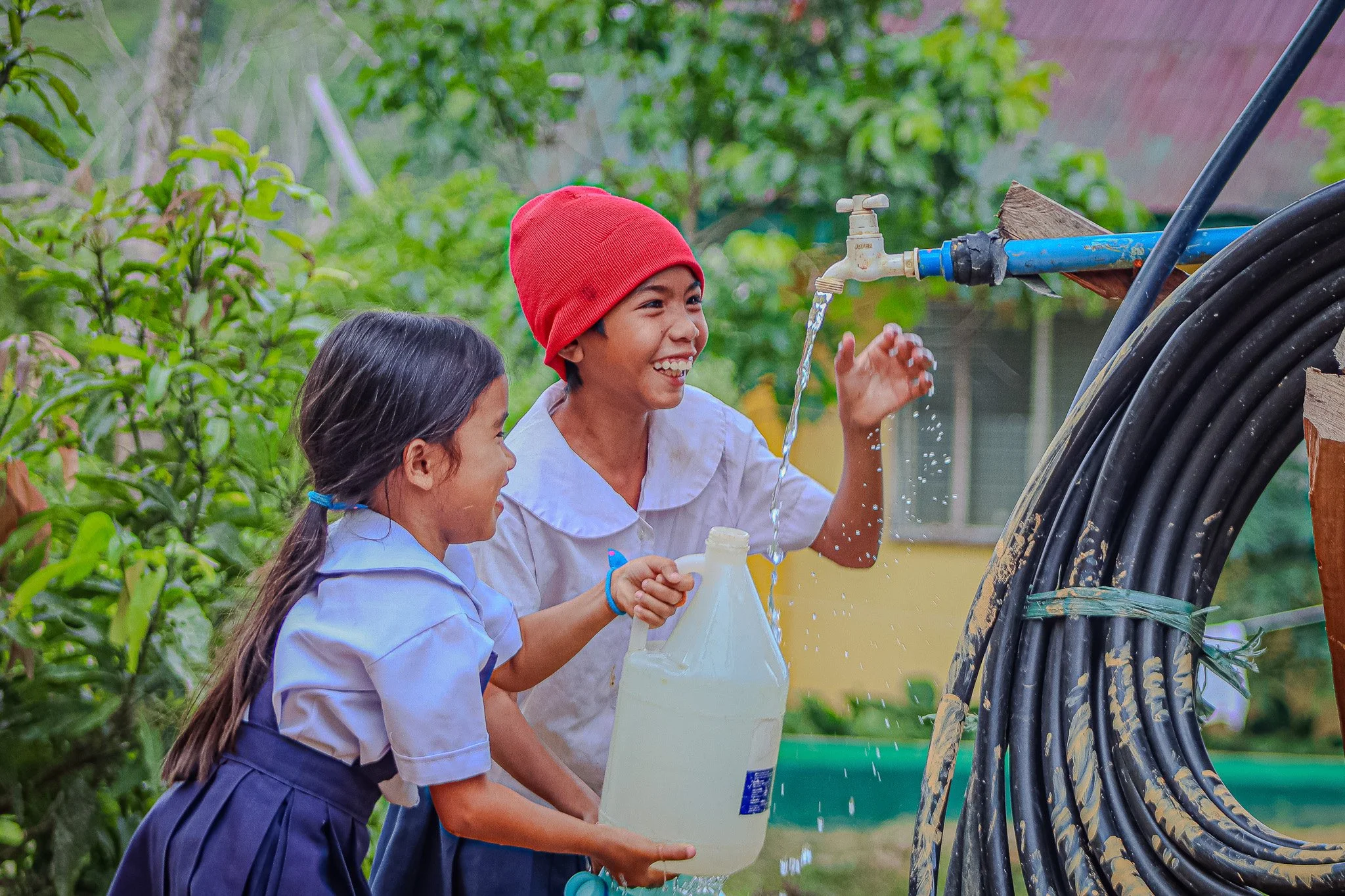
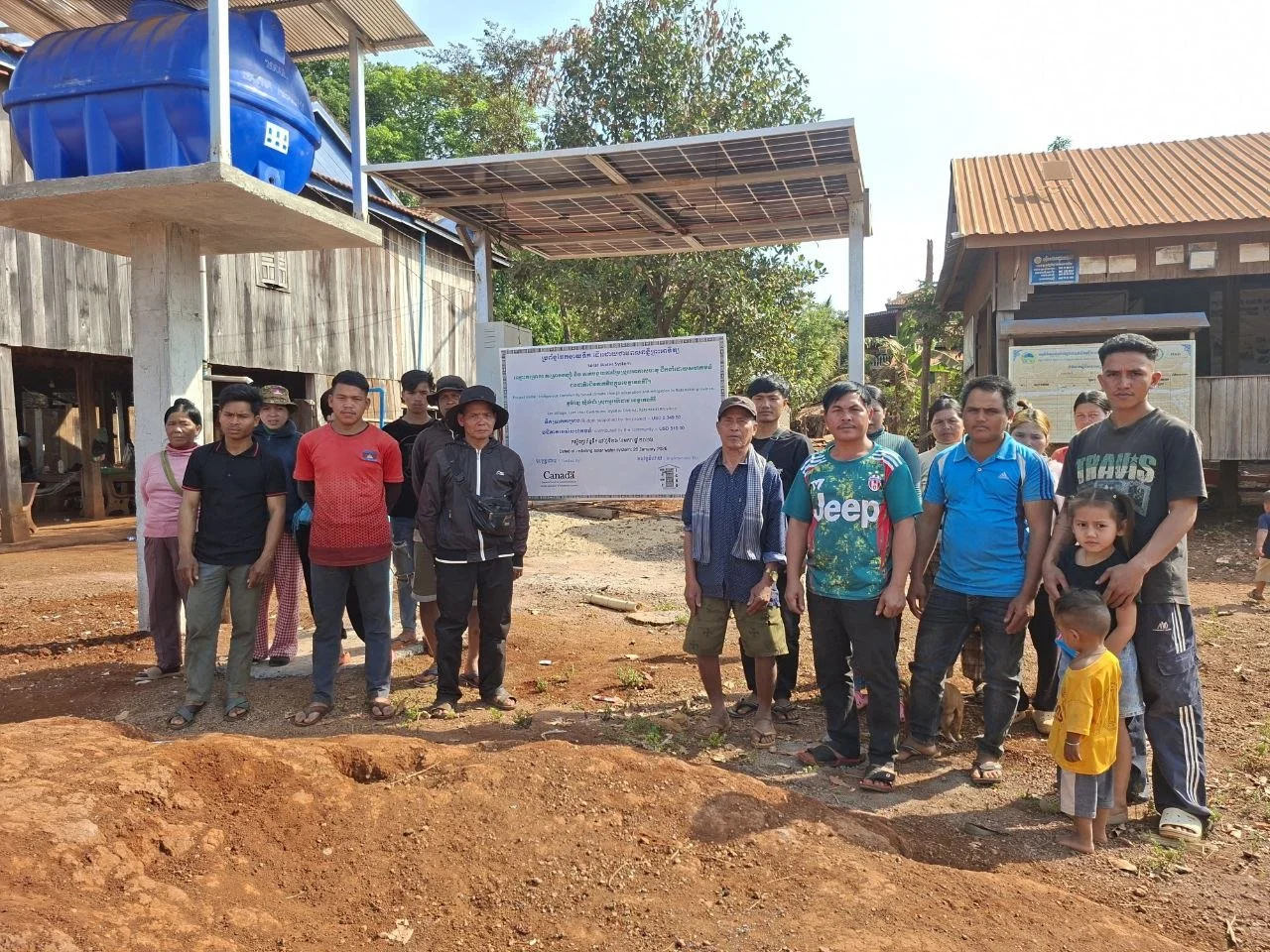
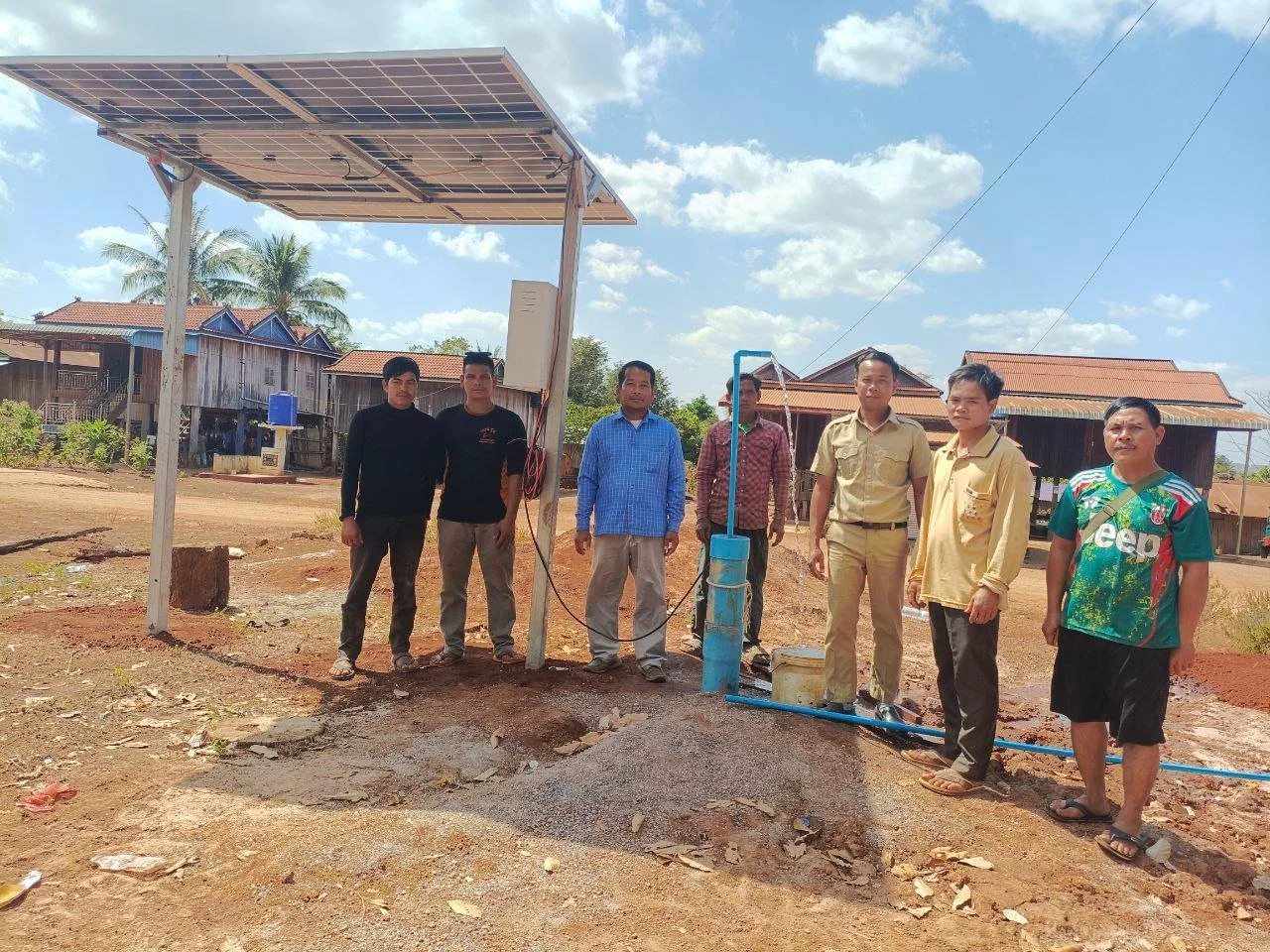
Installing and/or rehabilitating solar water pumping systems in six Indigenous villages, benefiting 2,400 people
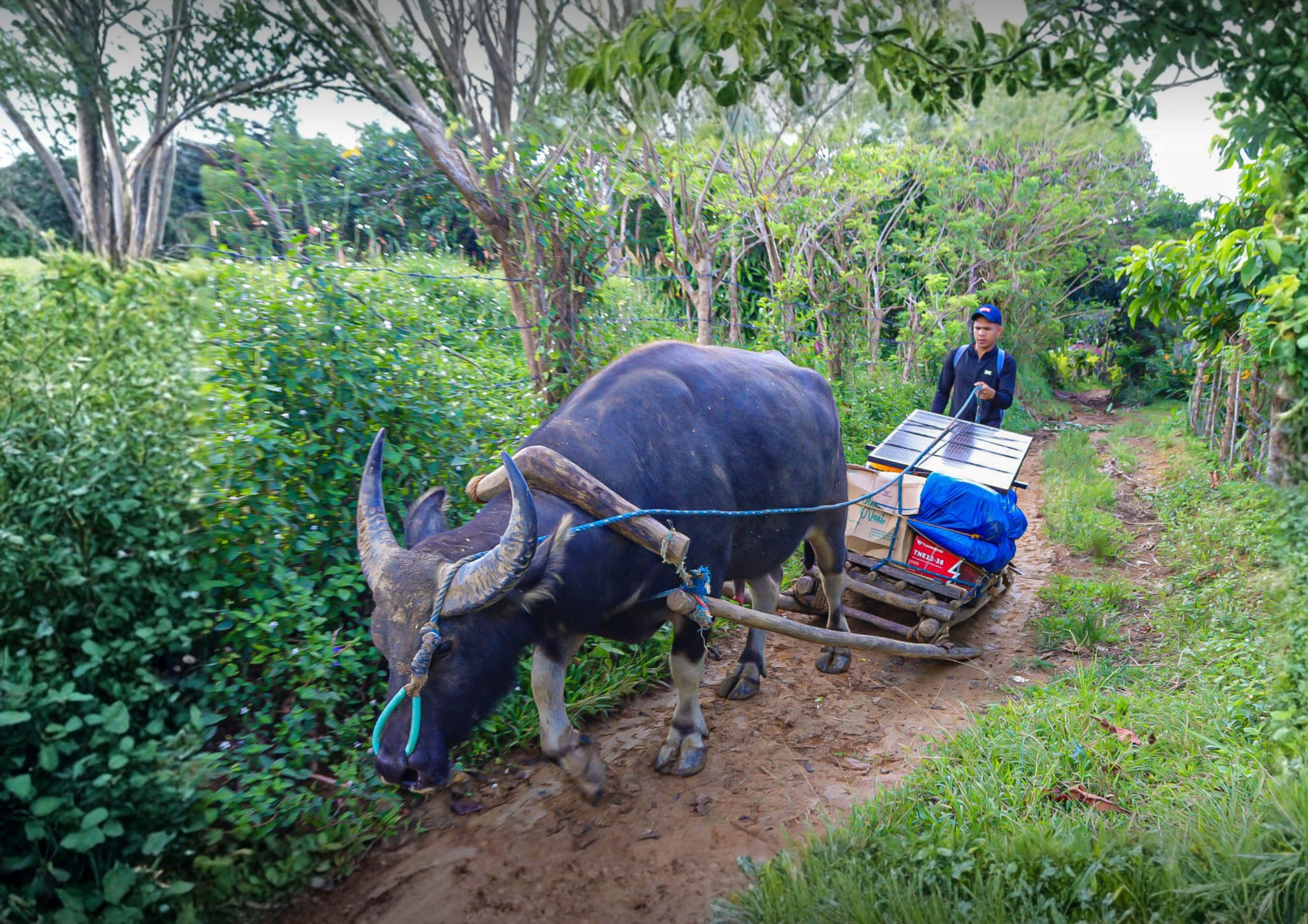
Installing solar power systems at six primary schools, providing reliable electricity for 1,500 students
Training 48 members of local management committees in solar system maintenance and operation
About
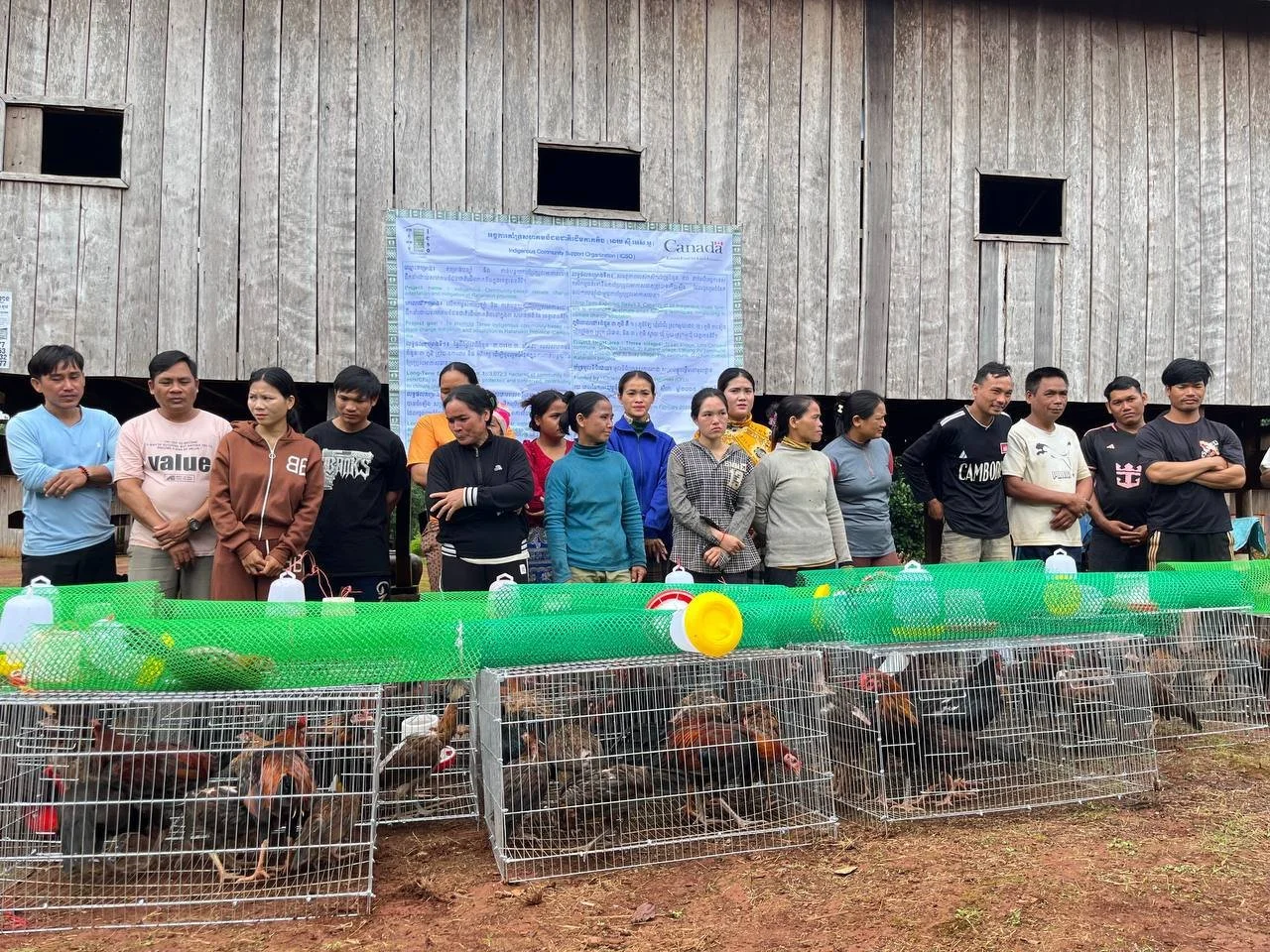
Established in 2006, CSO is a local Cambodian NGO dedicated to empowering Indigenous Peoples (IPs) through capacity-building and strengthening the institutional and constituent base of Indigenous Peoples Organizations (IPOs). ICSO works in cooperation with national and sub-national Cambodian government institutions, civil society organizations, and the private sector to uphold the basic rights of Indigenous Peoples in Cambodia, focusing on strengthening identities, legal entity registration, land tenure security, economic empowerment for poor households, and policy dialogue for the enforcement and reform of relevant laws.
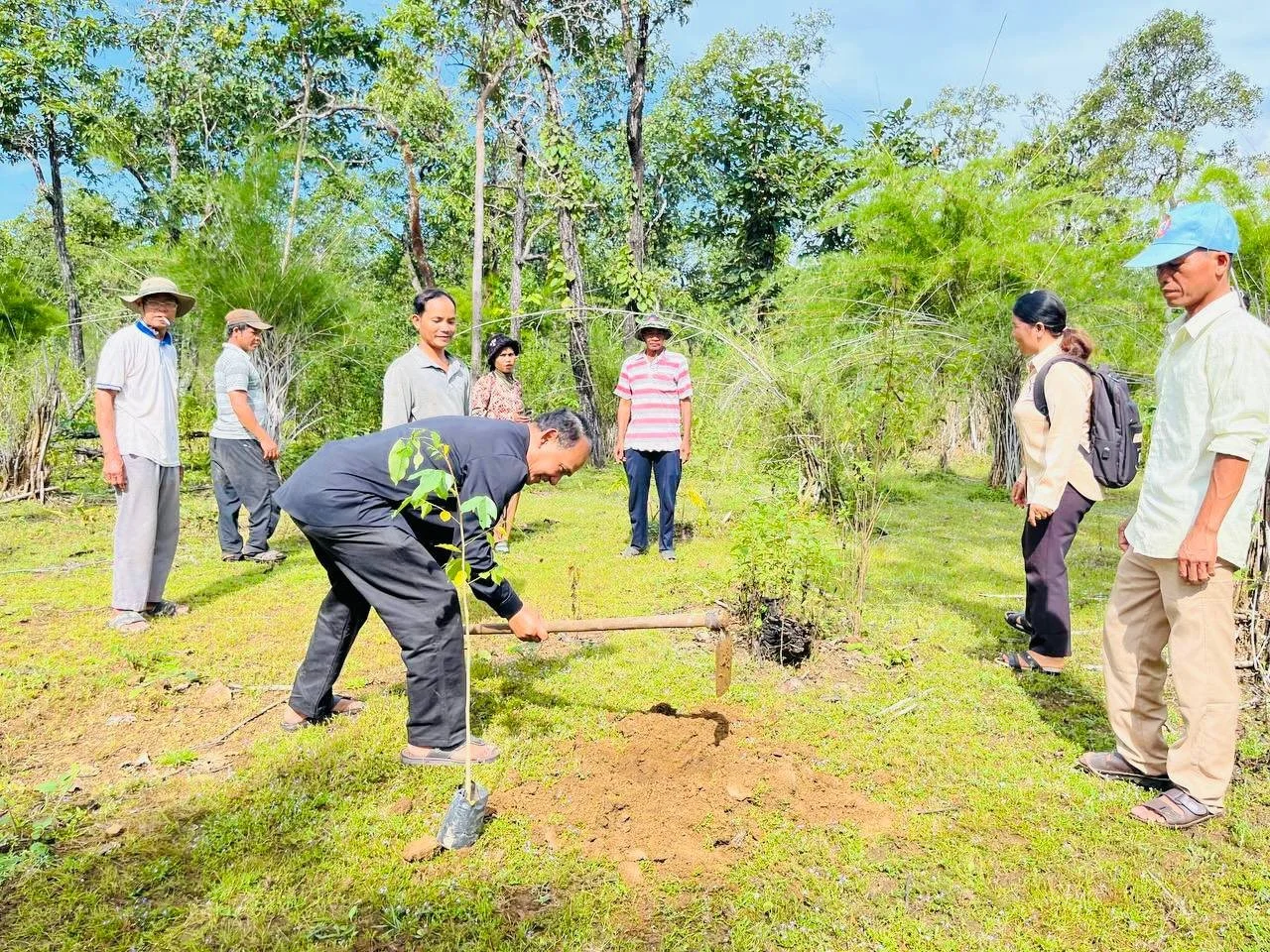
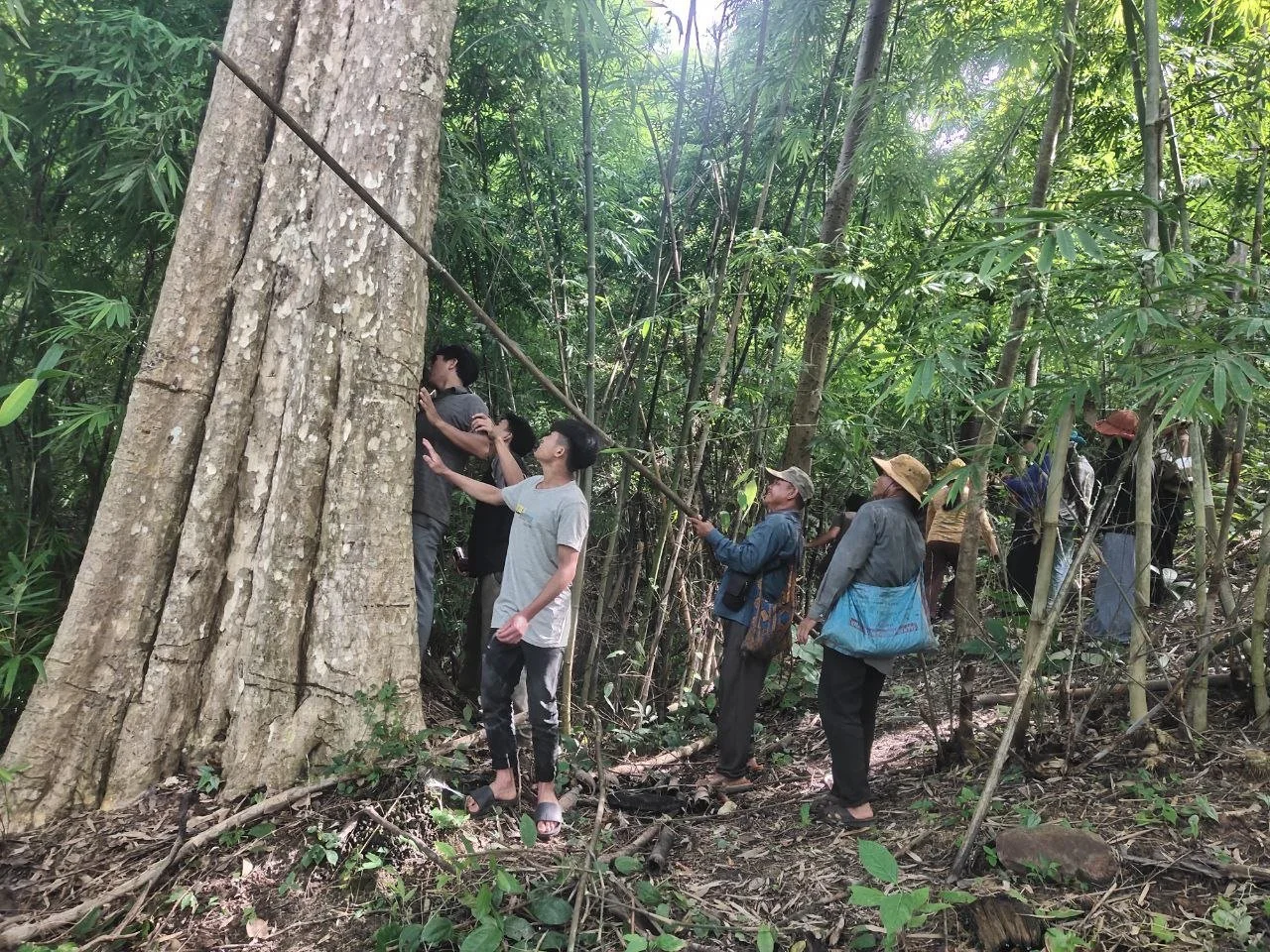
ICSO works in close partnership with Indigenous communities' leaders, elders, and members at the grassroots level, building long-term, trust-based relationships grounded in cultural respect, community leadership under traditional authorities, and local decision-making. ICSO supports Indigenous communities to protect their ancestral lands and natural resources, enhance livelihoods through economic empowerment, and improve wellbeing through locally driven, environmentally sustainable, and self-determined solutions.
“ICSO supports us to preserve our cultural heritage, legal entity of our institutional and constituency and obtainment our communal land title from government”
HF Partnership
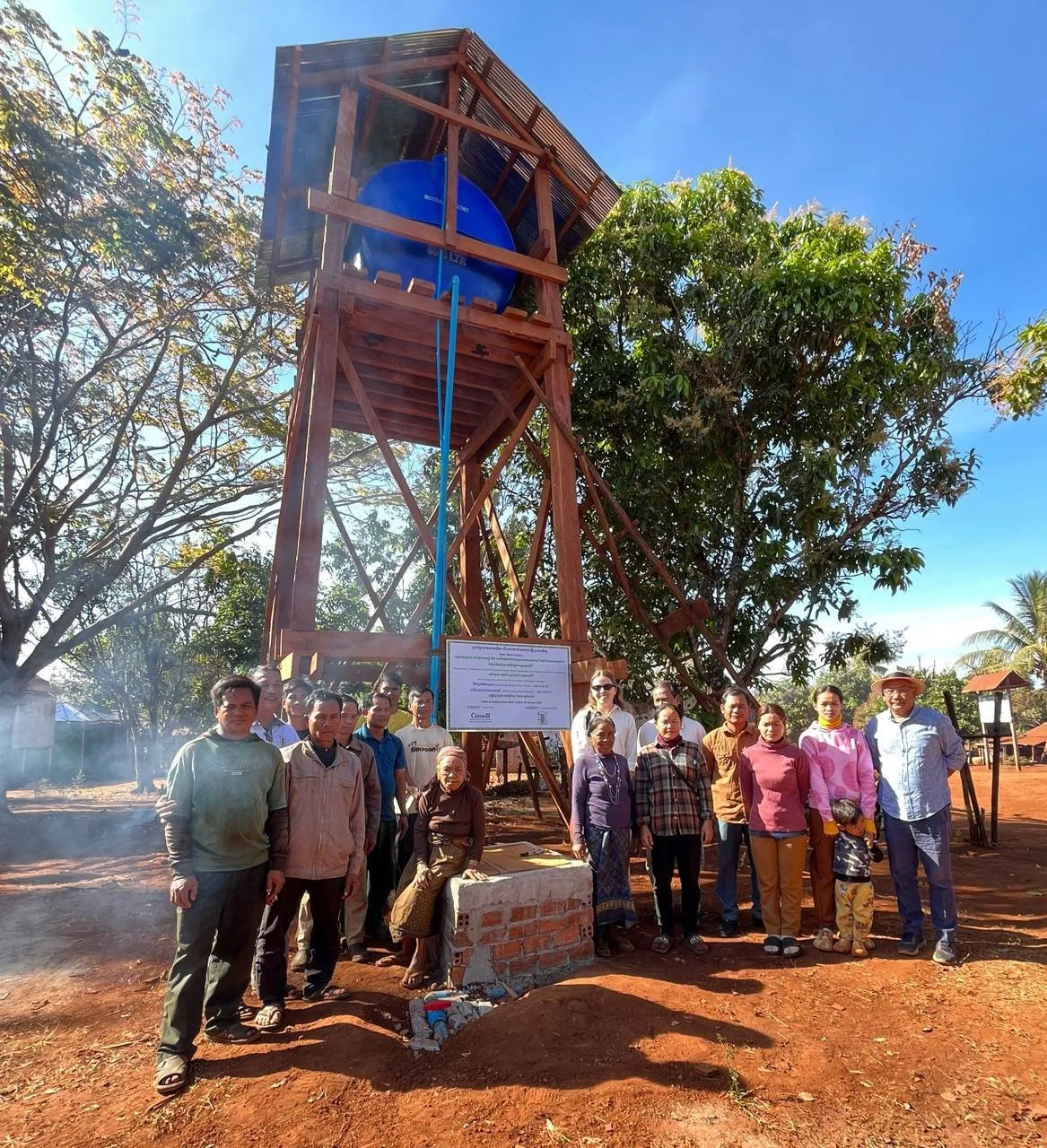
In partnership with the Honnold Foundation, ICSO aims to improve sustainable access to safe drinking water for 480 Indigenous households, approximately 2,400 people, across six target villages. The project will install six solar water pumping systems, providing safe drinking water and supporting small-scale irrigation, improving health, reducing the burden of water collection, and strengthening household food security through year-round cultivation.
The partnership will also expand access to renewable electricity for six primary schools serving approximately 1,500 students who currently lack reliable power. Standalone solar power systems will provide clean energy for classrooms, lighting, digital learning equipment, and basic water needs, creating safe, well-lit learning environments and strengthening school management, with active participation from teachers, school management committees, and community members to promote local ownership.
Lastly, the project will establish six Solar Water Pumping System Management Committees and six School Solar Power System Management Committees, comprising 48 members in total. These committees will receive practical training in solar system operation, maintenance, and troubleshooting, strengthening local ownership and ensuring continued access to clean water and renewable energy for Indigenous communities and schools.

In the News