
Impact Spotlight
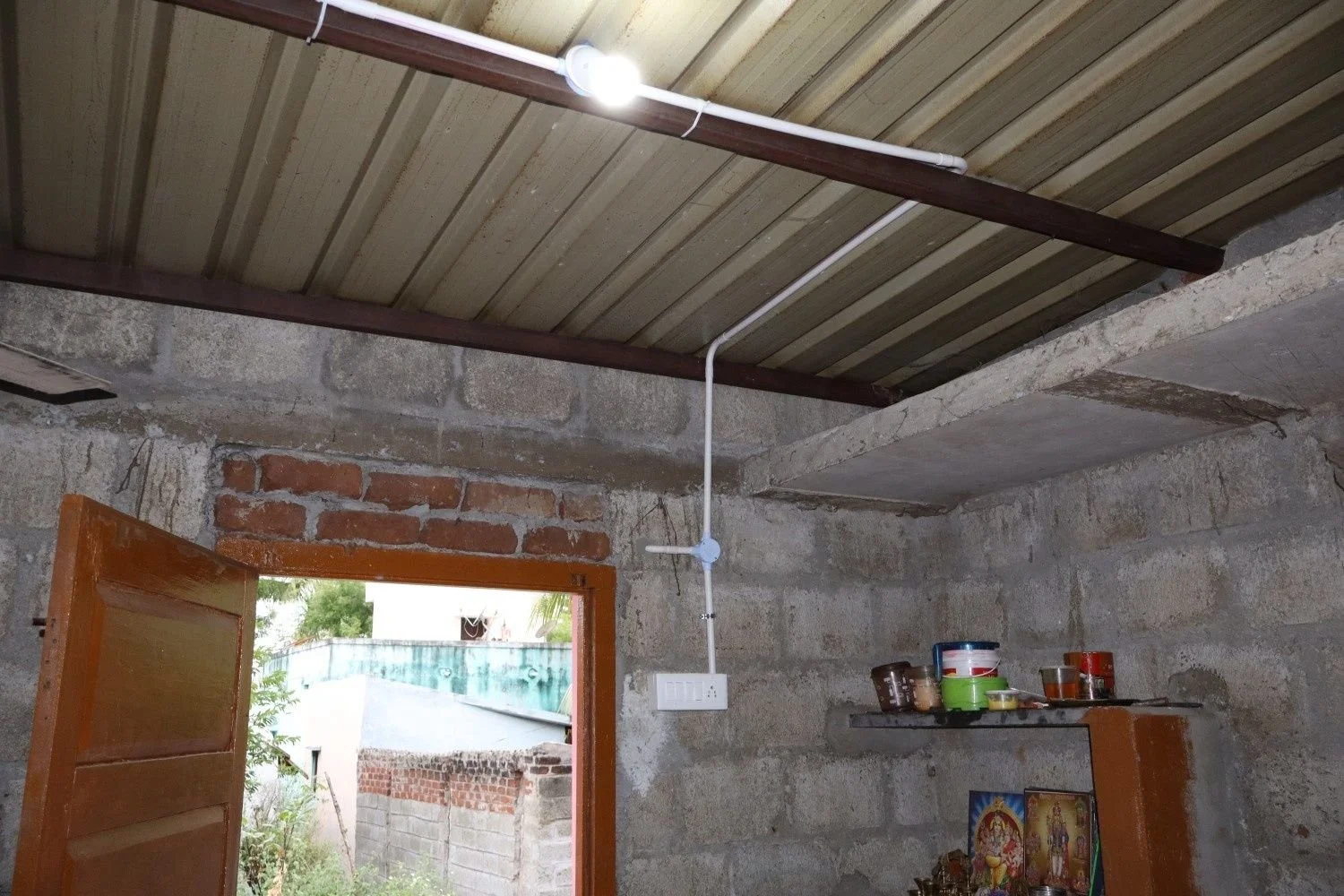
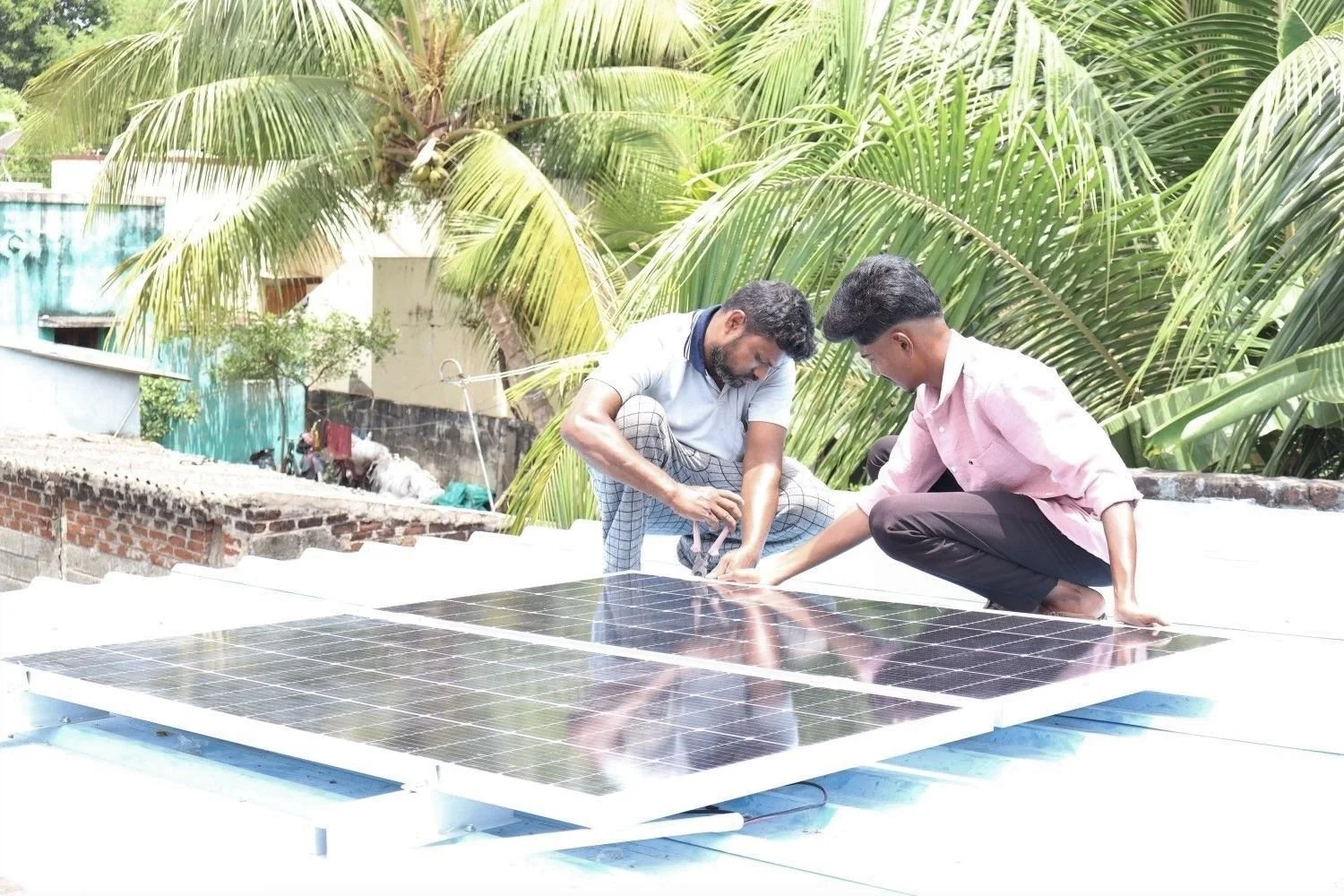
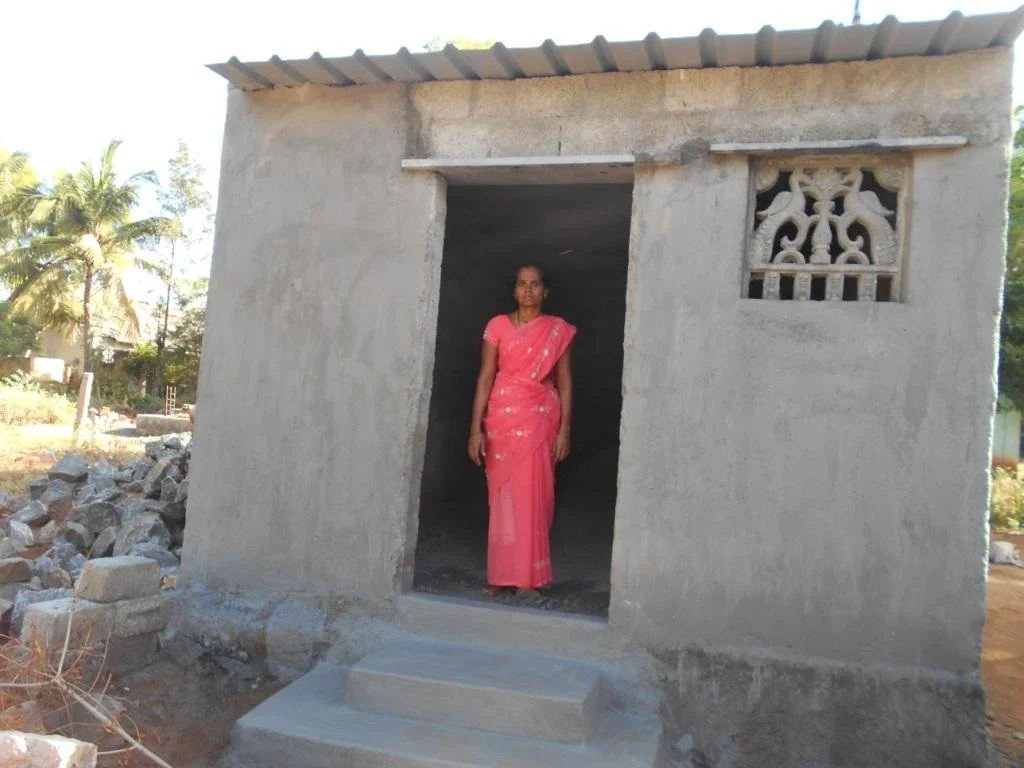
150+ solar home systems installed for Dalit and Indigenous households in Vadipatti
Solar power for 10 Government Schools and 5 Primary Health Centres
240 community members trained in solar installation and maintenance
About
Dalit families in India face significant socio-economic challenges built on centuries of religious and cultural marginalization. Historically, Dalit were known as “untouchables”, a remnant of Hindu caste systems, dictating that those born into Dalit families were segregated, with little access to education, healthcare, or job mobility. While the caste system was outlawed in 1950, the legacies of systematic marginalization still persist.
VOC Rural Development Centre is committed to empowering the marginalized rural Dalit communities in Tamil Nadu state. Over two decades, VOCRDC has been deeply integrated into these communities, using participatory methods and local partnerships to deliver critical services in housing, education, healthcare, and energy access, while respecting and promoting local cultural practices.
“Access to clean energy is not just about electricity—it’s about Dignity,
Opportunity and Justice. For our Indigenous communities, Solar power means children can study safely at night, health clinics can function reliably, and families are no longer left
behind in darkness. This project is a step toward energy equity and a future
where every household has the power to thrive.”
HF Partnership
Through a multi-year partnership with the Honnold Foundation, VOC Rural Development Centre is implementing a two-year solar electrification initiative to improve access to clean and reliable energy for marginalized Indigenous and Dalit communities in Vadipatti, Madurai District, Tamil Nadu, India.
The partnership will install solar home systems in more than 150 Indigenous households and rooftop solar systems across 10 Government Schools over two years. In addition to infrastructure, the project focuses on building local capacity through training on solar system installation, operation, maintenance, and energy-efficient practices, creating long-term community ownership and sustainability.
The initiative improves household energy security, enhances learning environments in government schools through uninterrupted electricity, reduces dependence on fossil fuels, lowering energy costs, and strengthens local technical skills and employment opportunities. The project also promotes climate resilience by expanding access to renewable energy in underserved rural communities.




In the News