Impact Spotlight
500 community members across four provinces gaining first-time access to electricity through community-owned solar installations
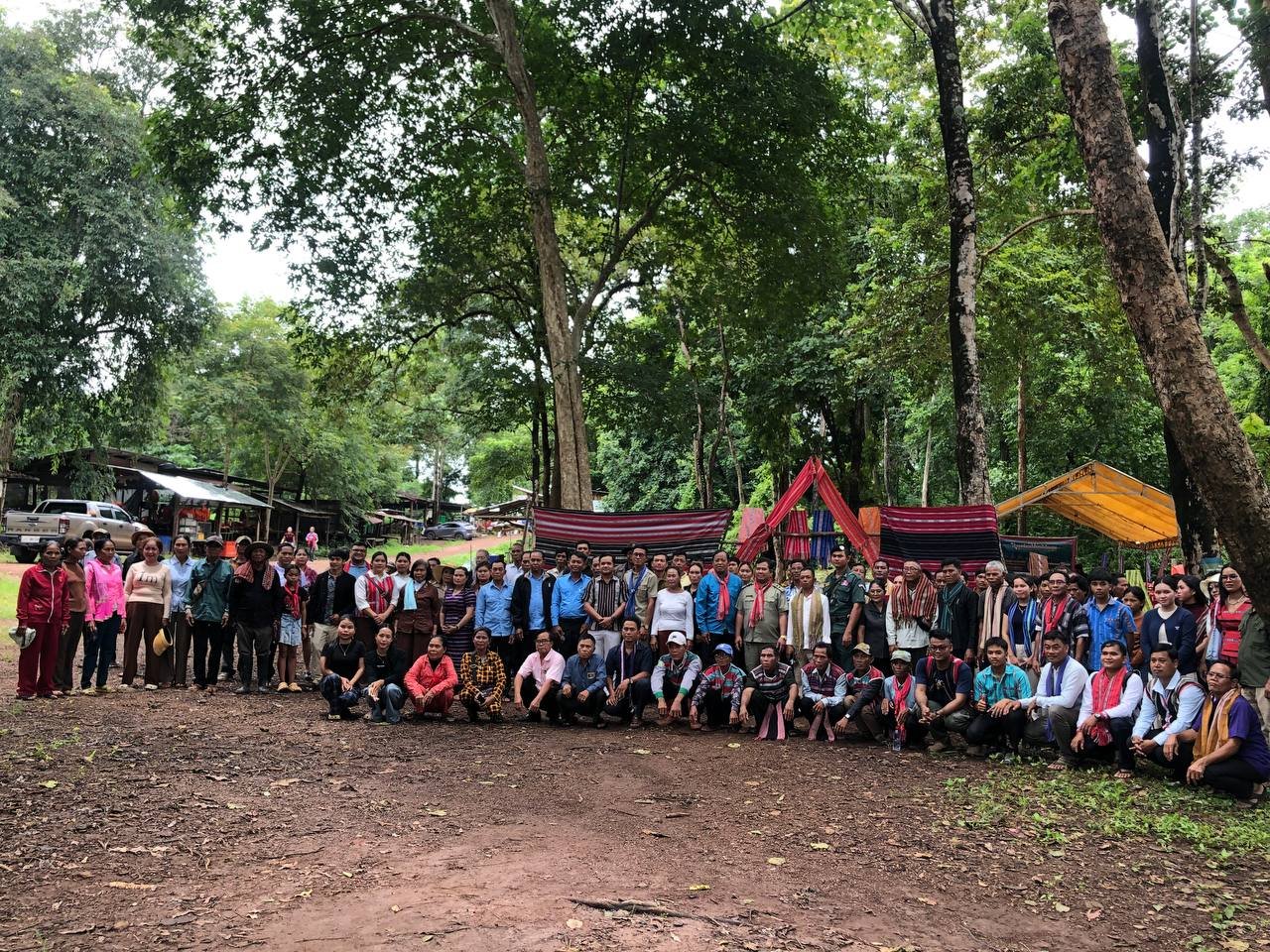
15 communities building the human and financial resources needed to address shared challenges through community-owned solar systems
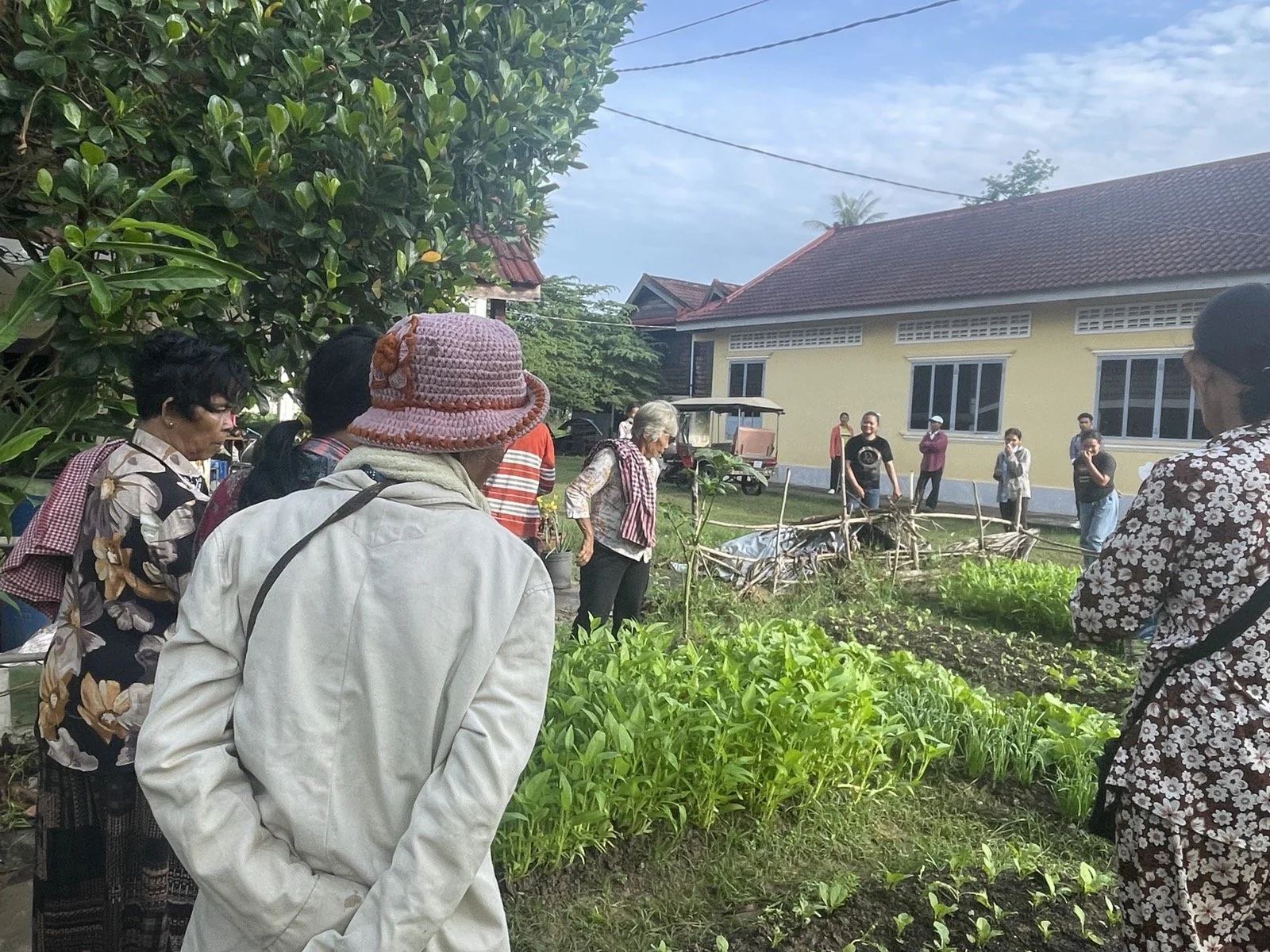
Up to 60 women Indigenous farmers resourced with solar-powered irrigation
About
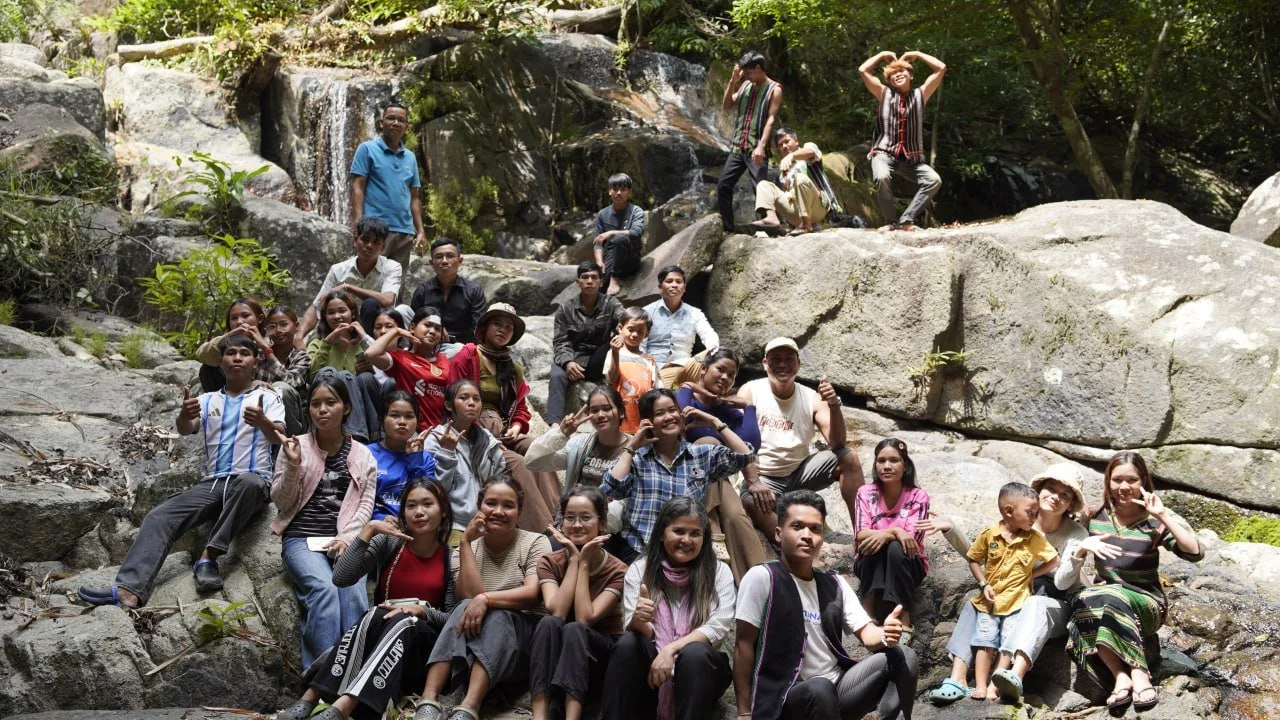
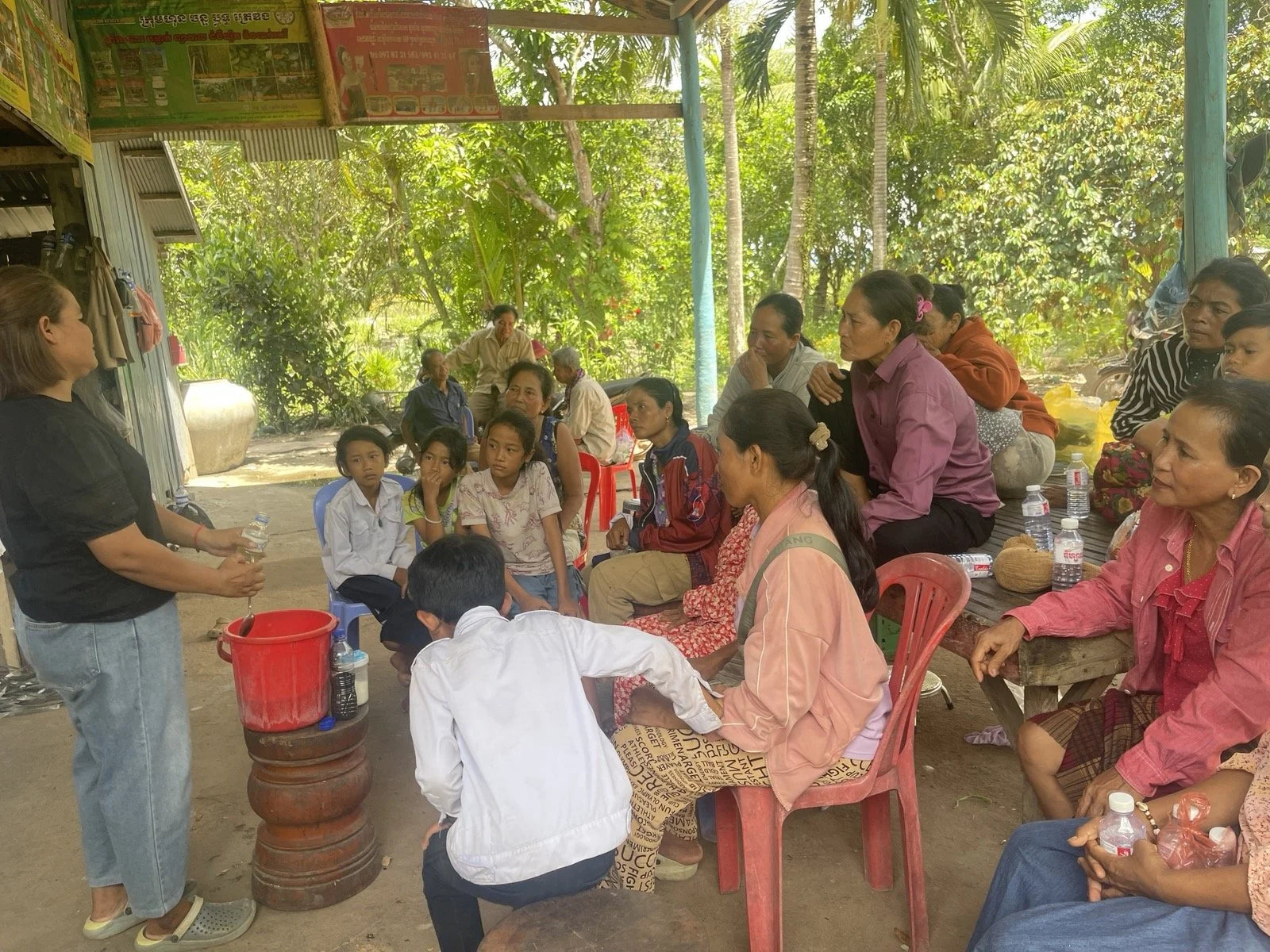
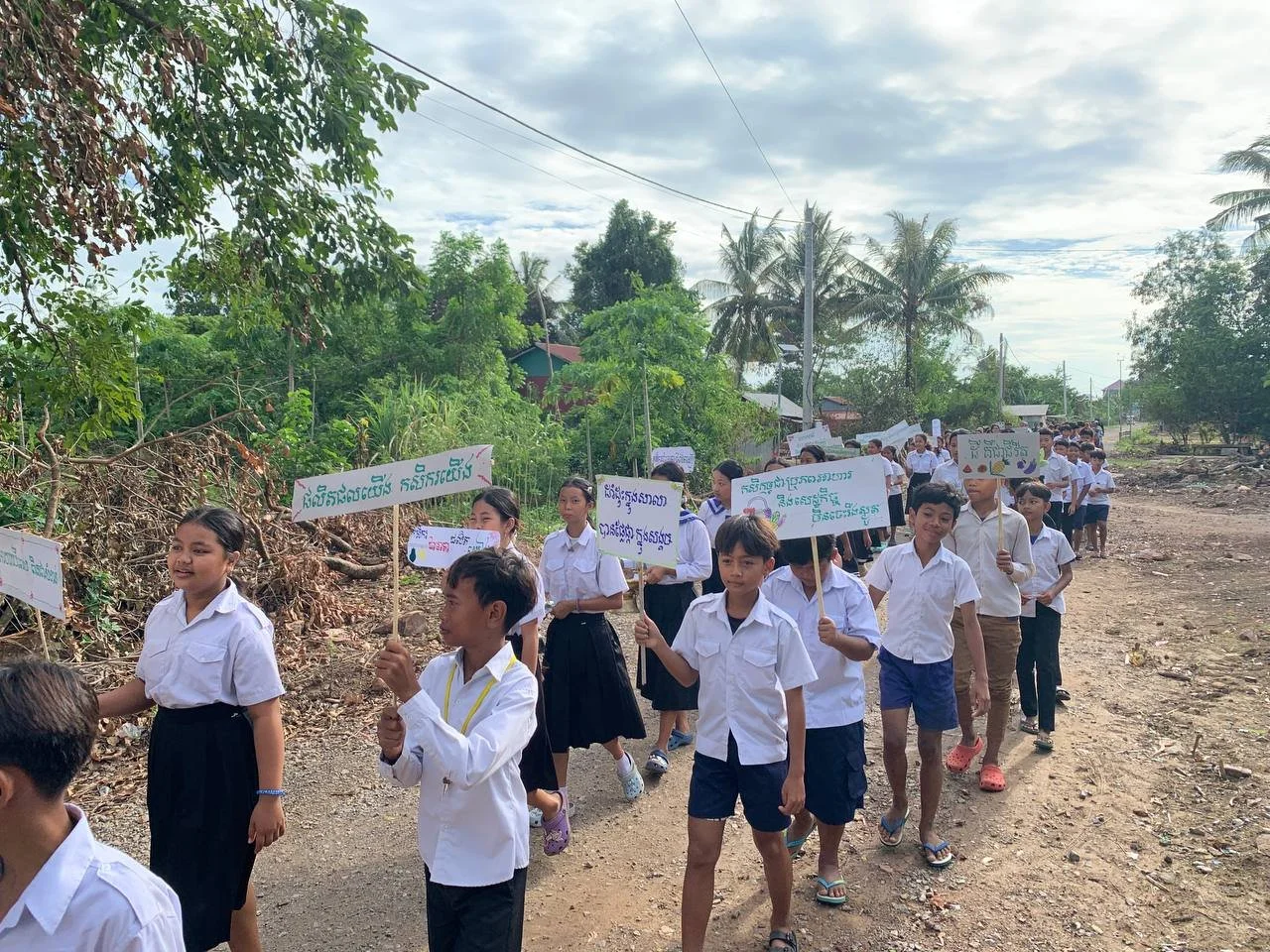
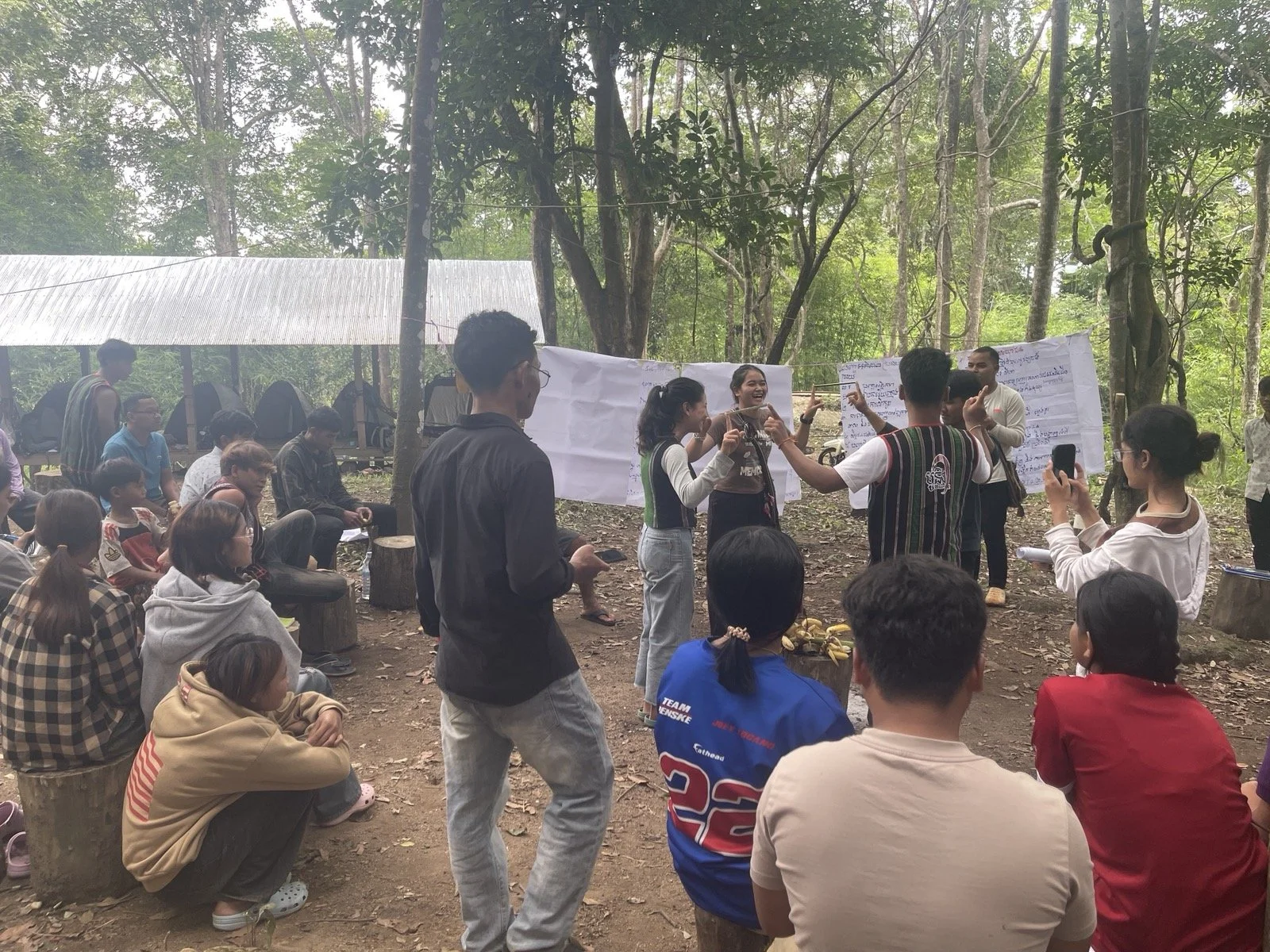
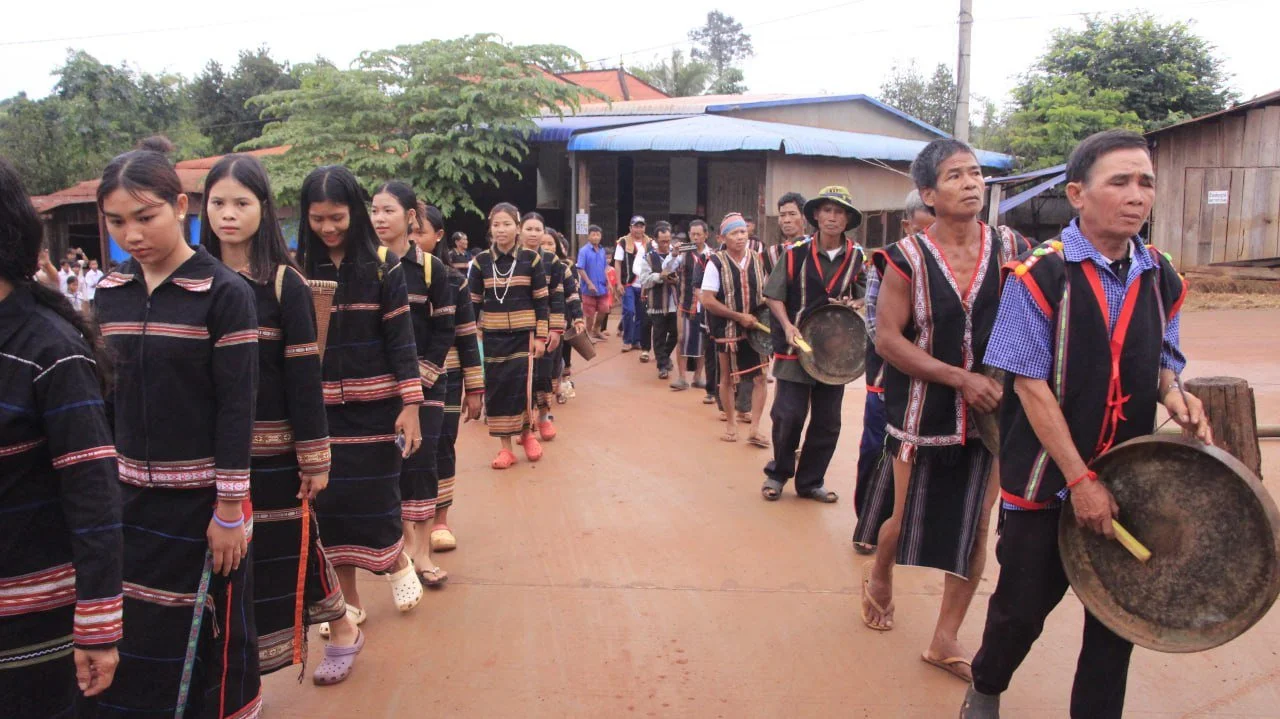
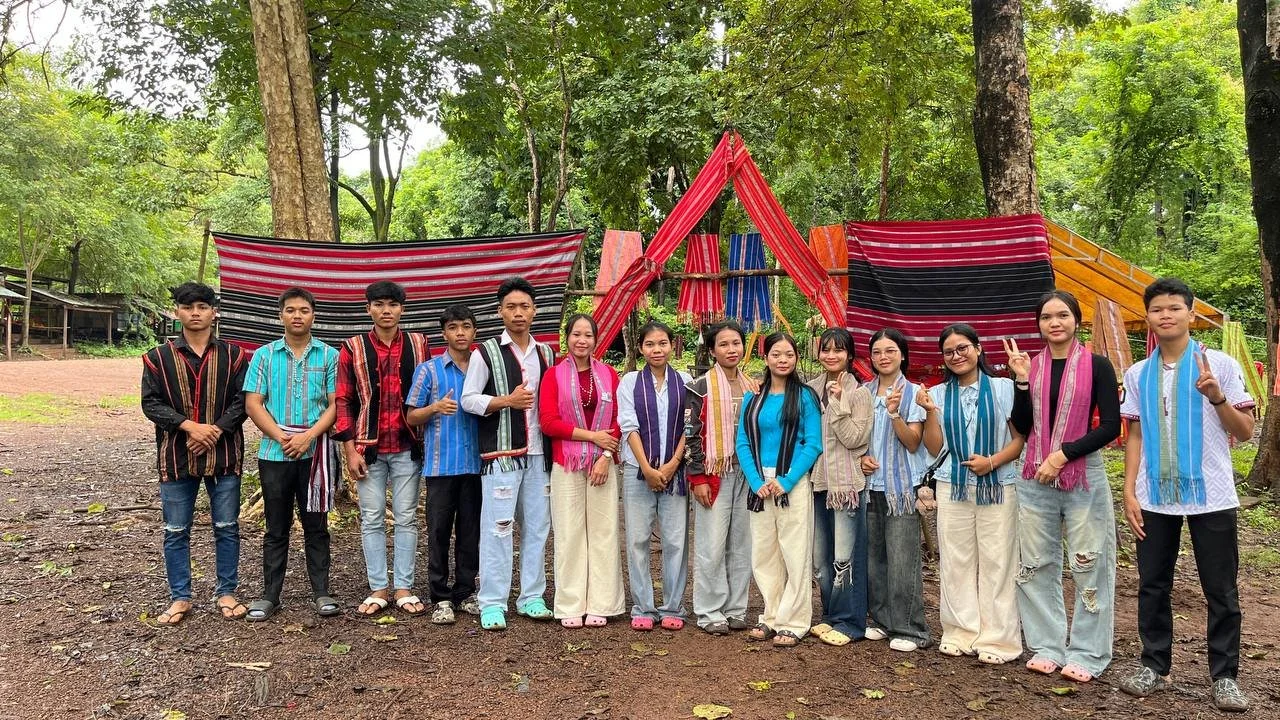
SADP works alongside rural and Indigenous communities in Cambodia to strengthen livelihoods and build the local systems needed to manage shared resources over the long term. Its work brings together community organizing, sustainable agriculture, renewable energy, and natural-resource management, with an emphasis on ensuring women and Indigenous community members have meaningful roles in local decision-making.
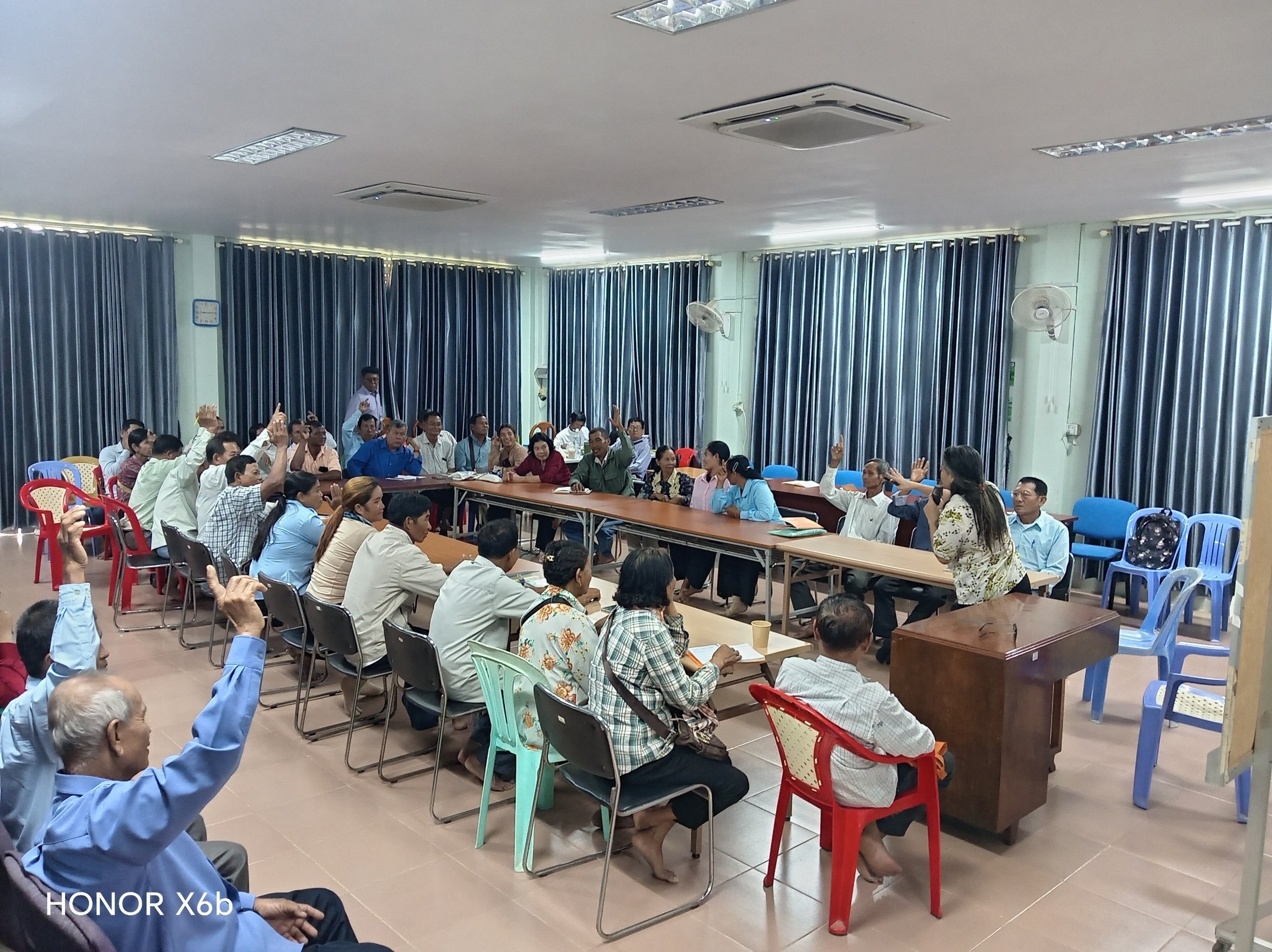
Rather than introducing stand-alone projects, SADP supports communities to identify shared priorities, organize around them, and establish practical systems for managing new infrastructure and resources themselves. This approach includes locally governed funds, community planning, and partnerships with Cambodian organizations and local authorities—helping communities maintain projects after initial funding ends and apply successful models to new challenges.
“SADP builds communities’ capacity to manage their resources effectively for their livelihoods and a healthy environment. We are now applying this approach to expand access to clean energy and promote a just energy transition.”
HF Partnership
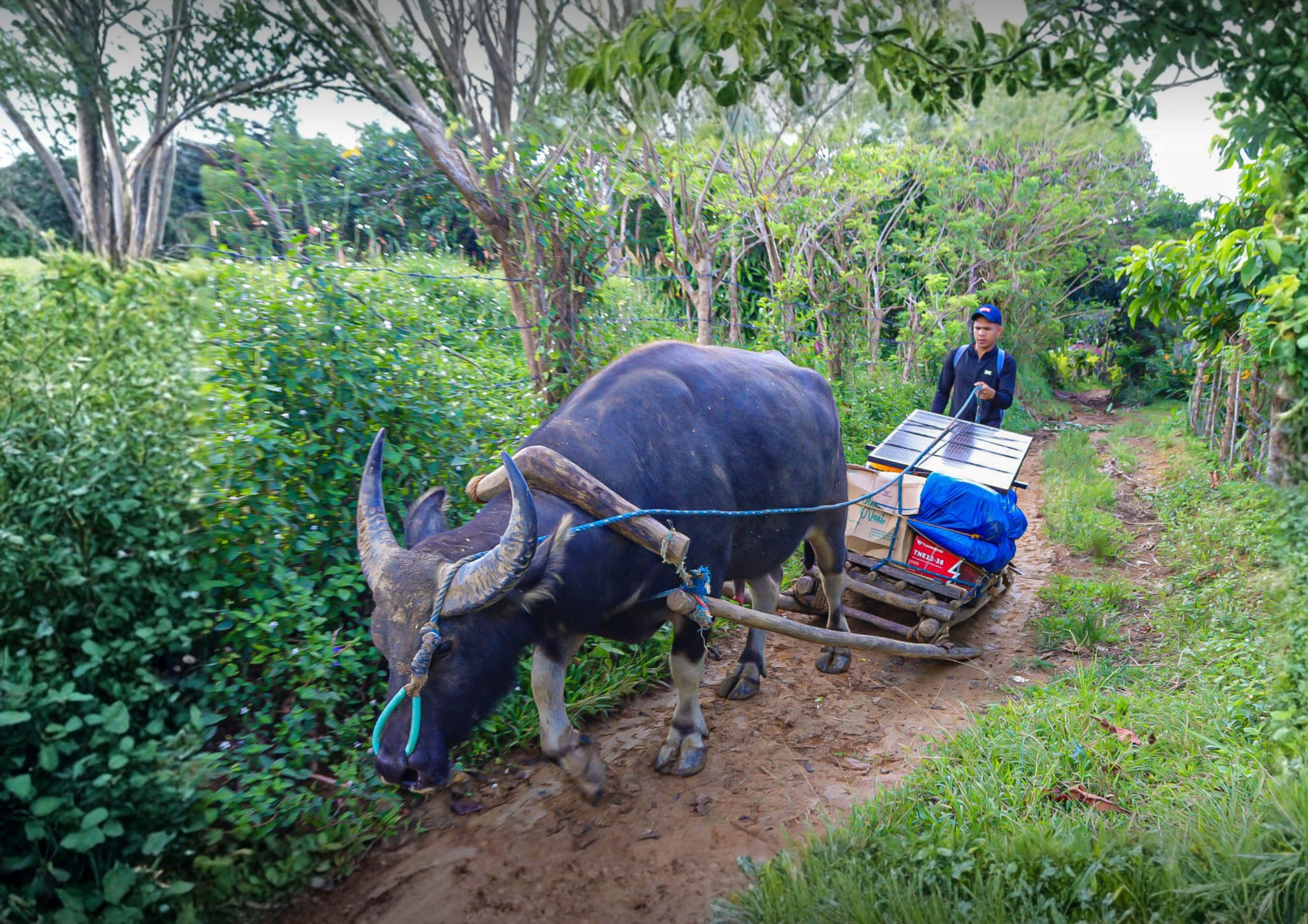
Through this partnership, SADP will support community-managed solar systems across four Cambodian provinces, providing electricity for homes, schools, community facilities, and agricultural production. Solar-powered irrigation will expand reliable water access for farmers, reducing energy costs and supporting greater food production, while household and community systems will improve access to electricity for everyday needs and education.
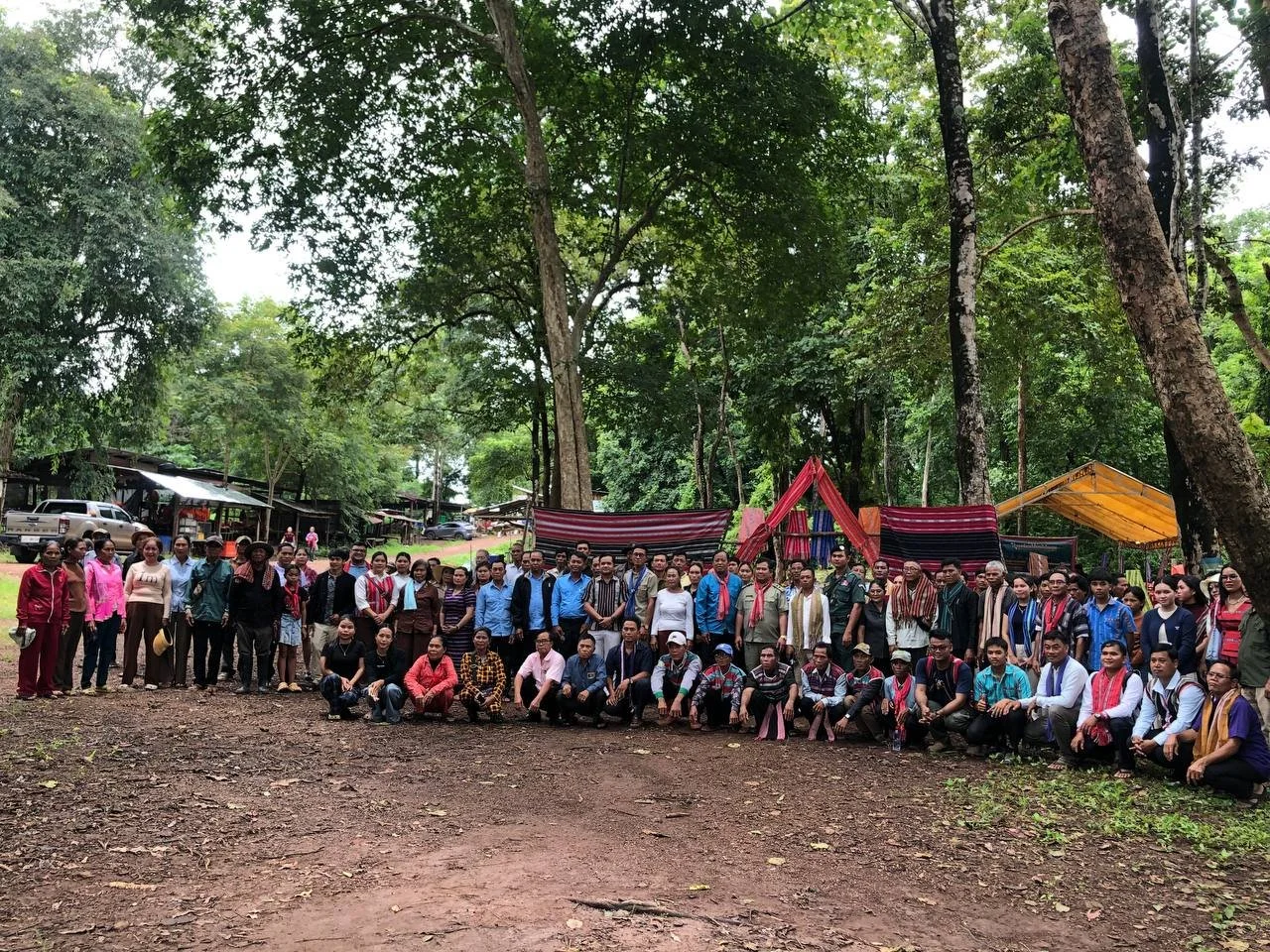
Participating communities will help plan and manage the systems, with women and Indigenous community members playing central roles in implementation. Households will also contribute to community-managed funds for system maintenance and future local priorities, pairing new infrastructure with the financial and organizational capacity needed to sustain it. Through this model, SADP and its Cambodian partners aim to demonstrate how locally managed solar can support stronger livelihoods while giving communities greater control over shared energy resources.
In the News