Impact Spotlight
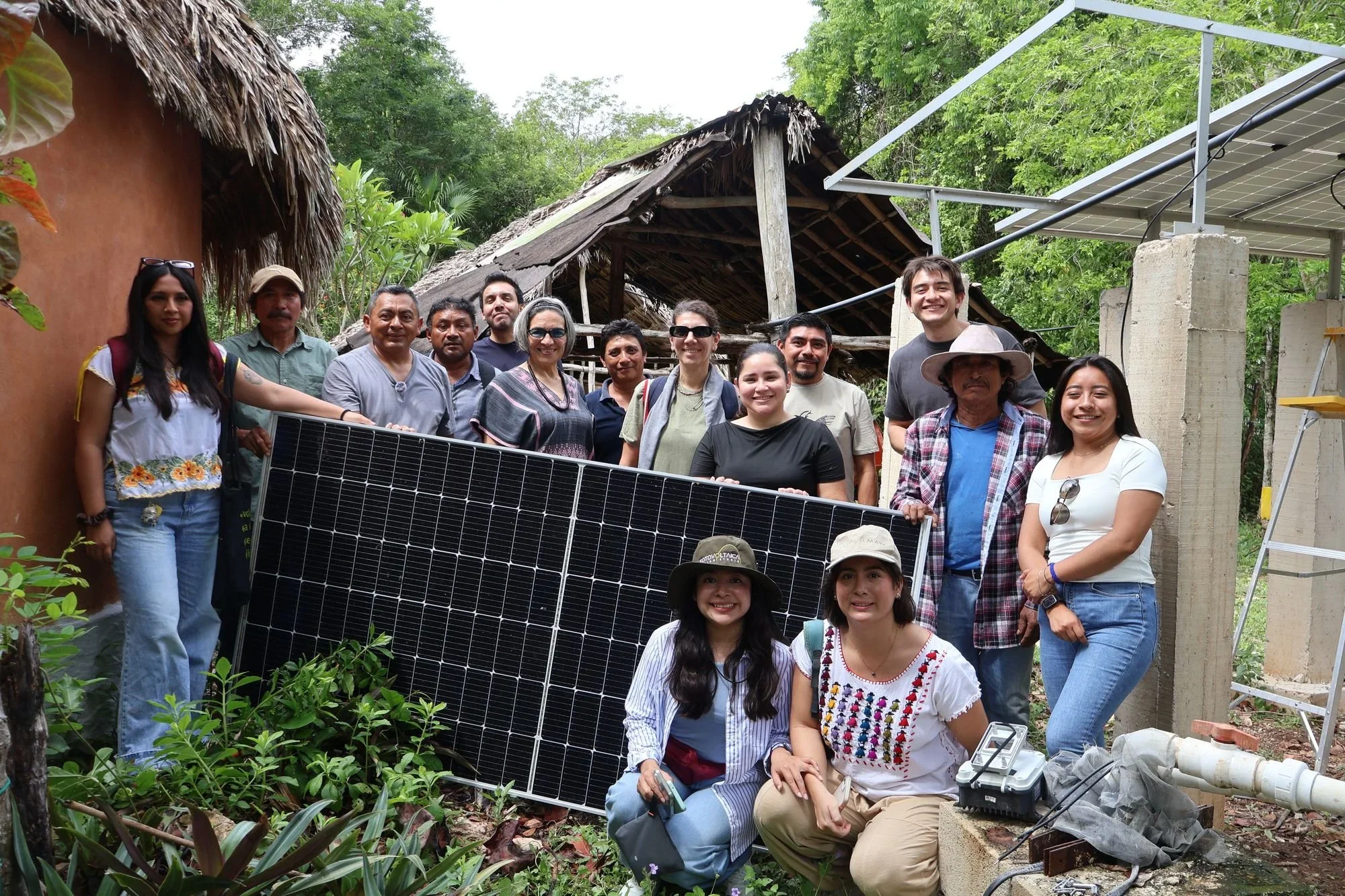
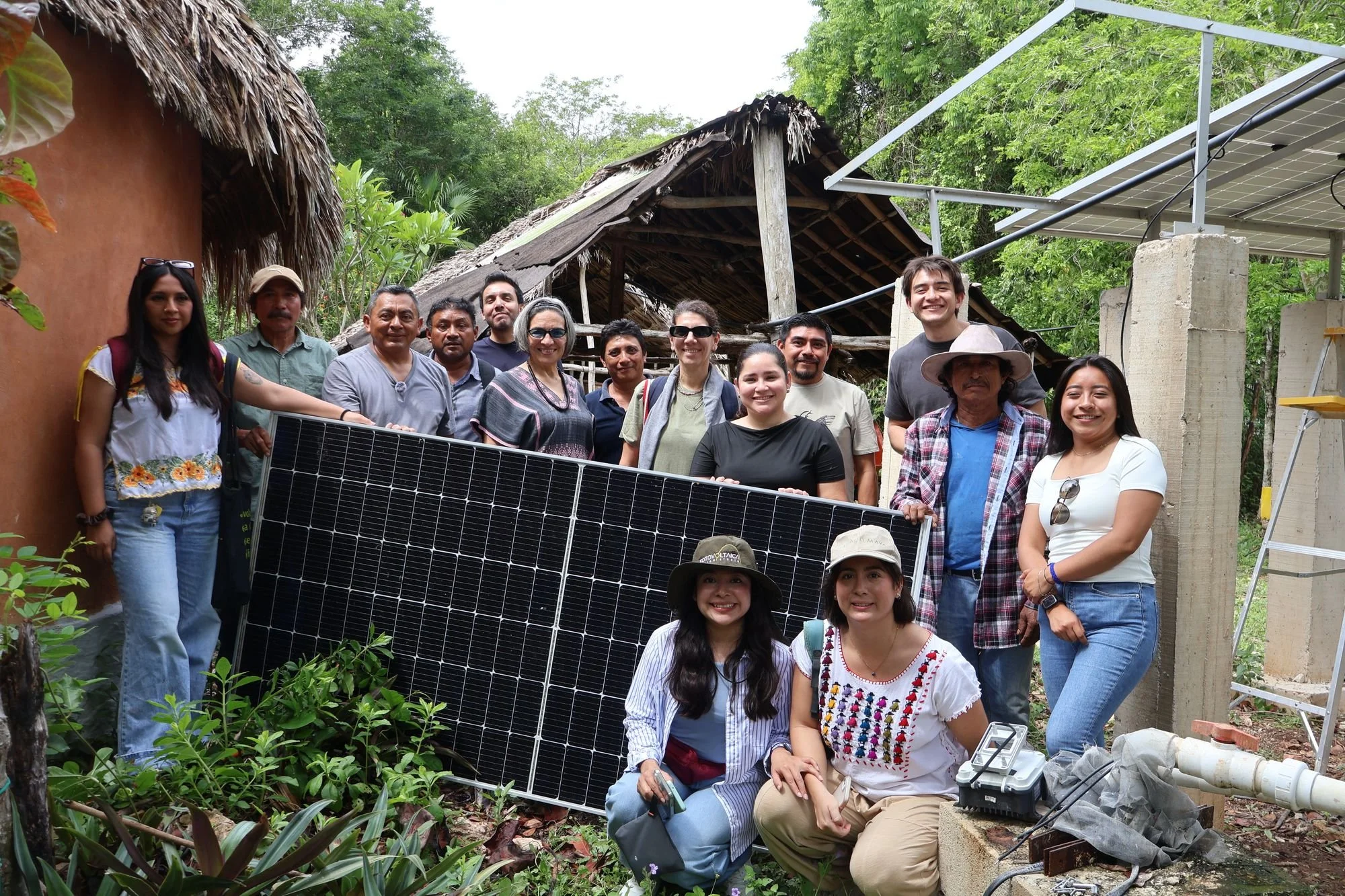
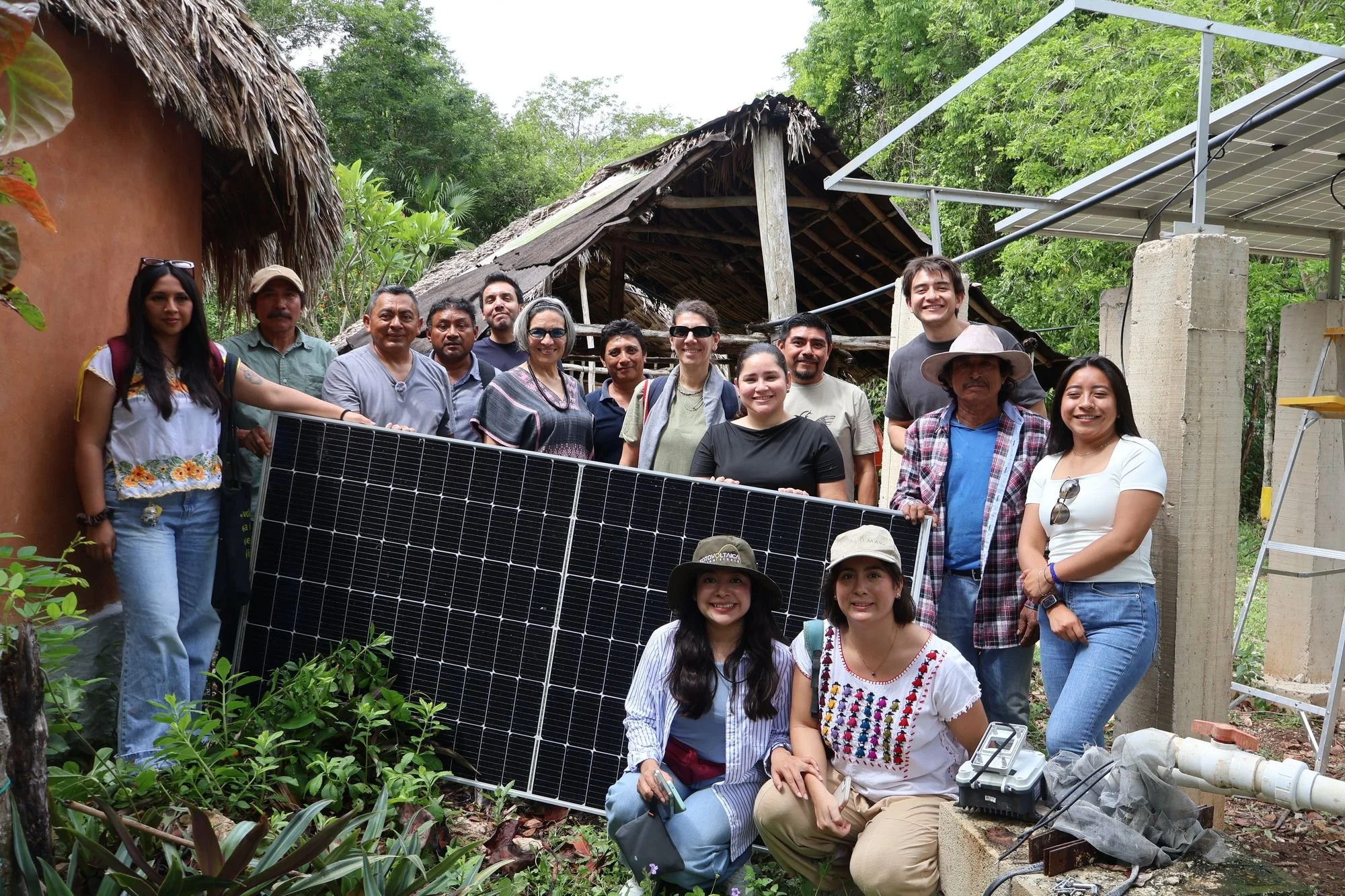
Installing 10 solar pumping systems for Maya farming families in Maní, Yucatán, guaranteeing irrigation water at no energy cost
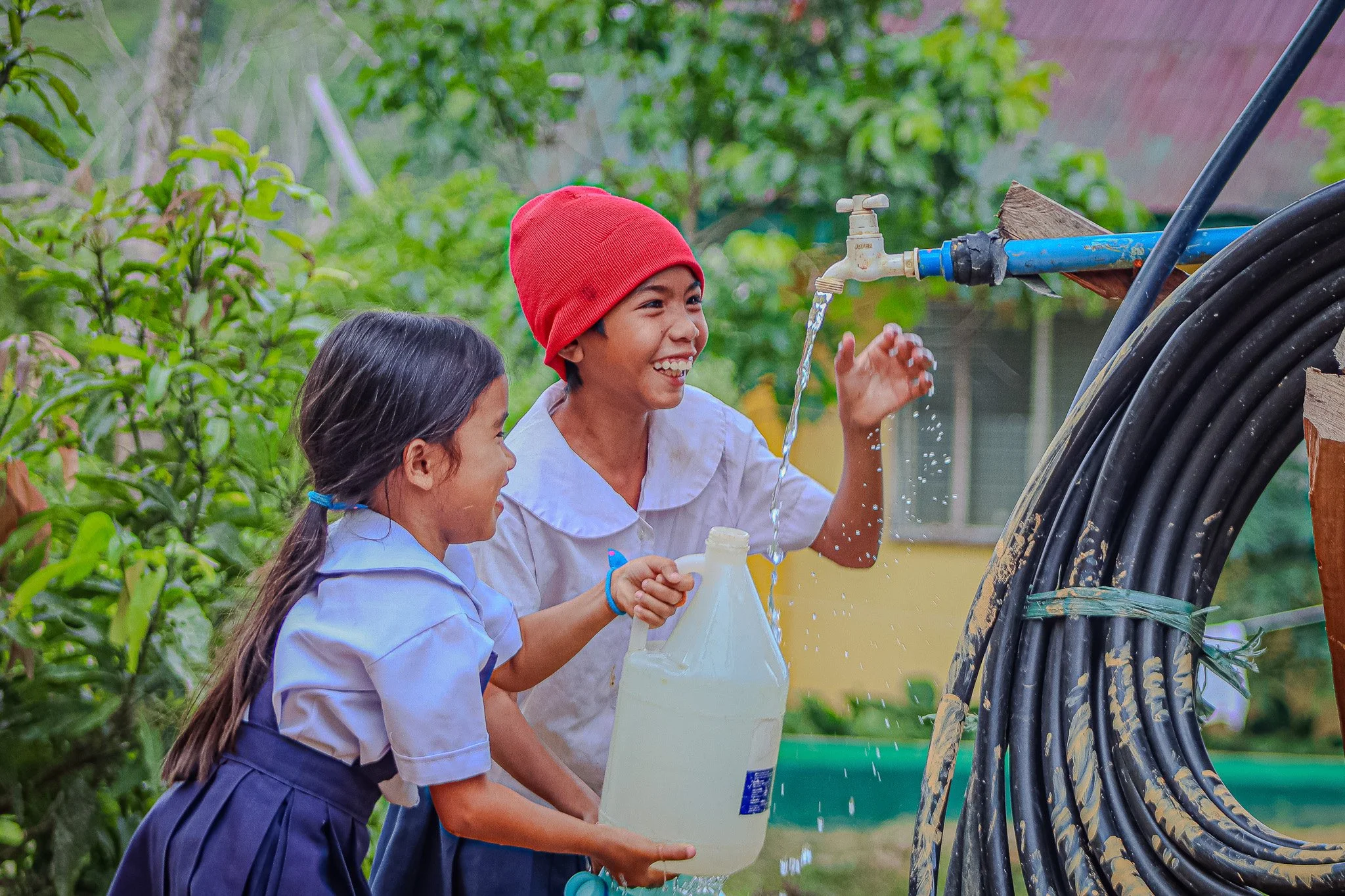
Eliminating energy spending on water extraction, freeing up resources for productive diversification
Creating a replicable model of just energy transition through technical training and community exchanges
About
Sostenibilidad Global A.C. (SG) is a Mexican civil society organization dedicated to building bridges between the private sector, government, and communities to accelerate a just energy transition. The organization believes clean energy becomes a real driver of change when it transforms the lives of those who have historically been excluded from the energy system.
Through the Alianza por la Equidad Energética (Alliance for Energy Equity, AEE), SG brings together companies, community organizations, cooperatives, and international bodies to demonstrate, from the ground up, that solar energy can reduce energy poverty, strengthen food sovereignty, and expand the rights and capacities of rural and Indigenous communities in Mexico. The organization works in Yucatán and Quintana Roo with Maya farming communities, putting solar technology at the service of existing community processes, with a focus on replicability and local ownership.
“We’re happy because it’s a great opportunity [...] We can plant our orange grafts and also some vegetables… because otherwise, we have to haul the water. This is a great step forward.”
HF Partnership
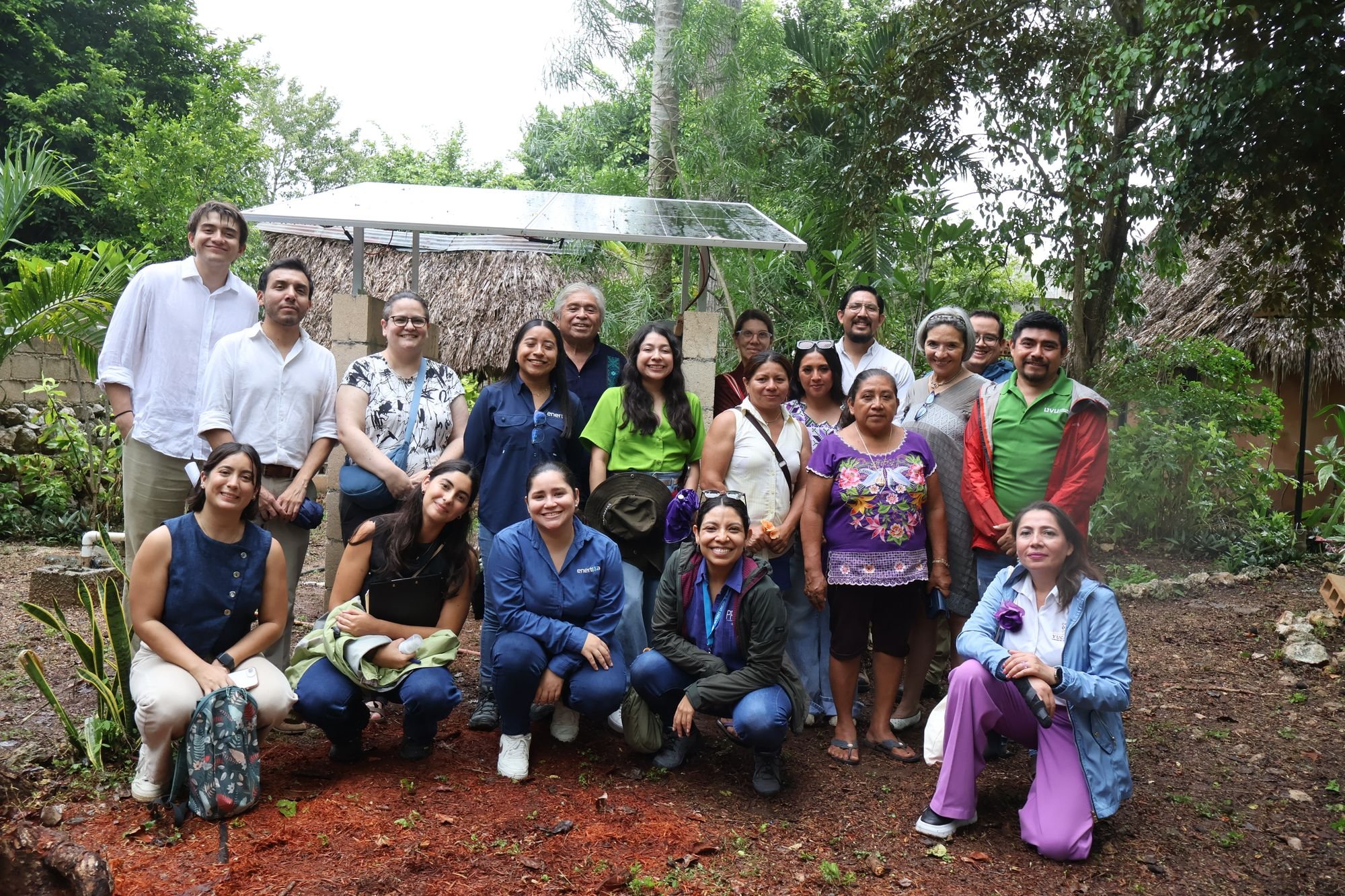
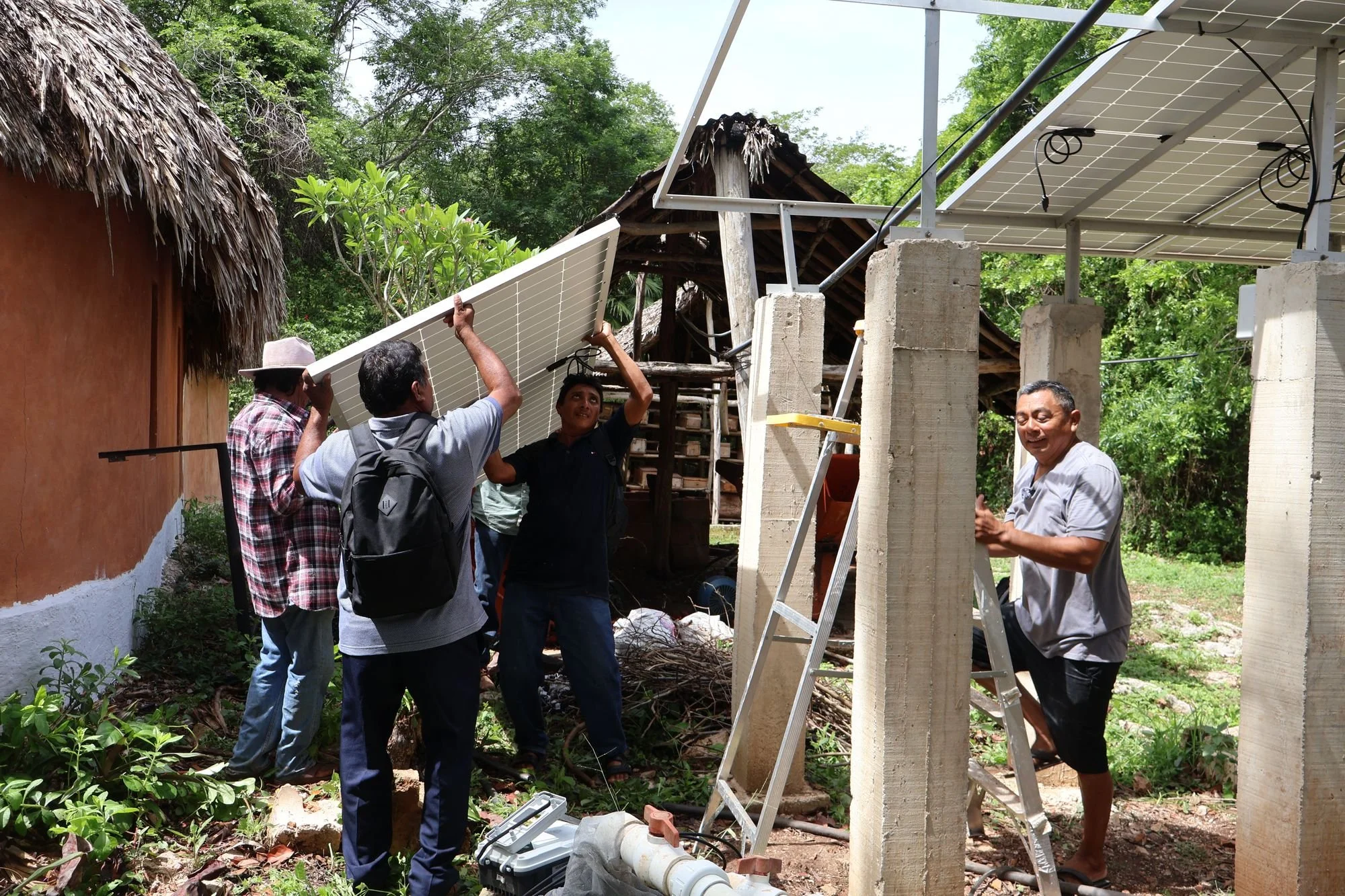
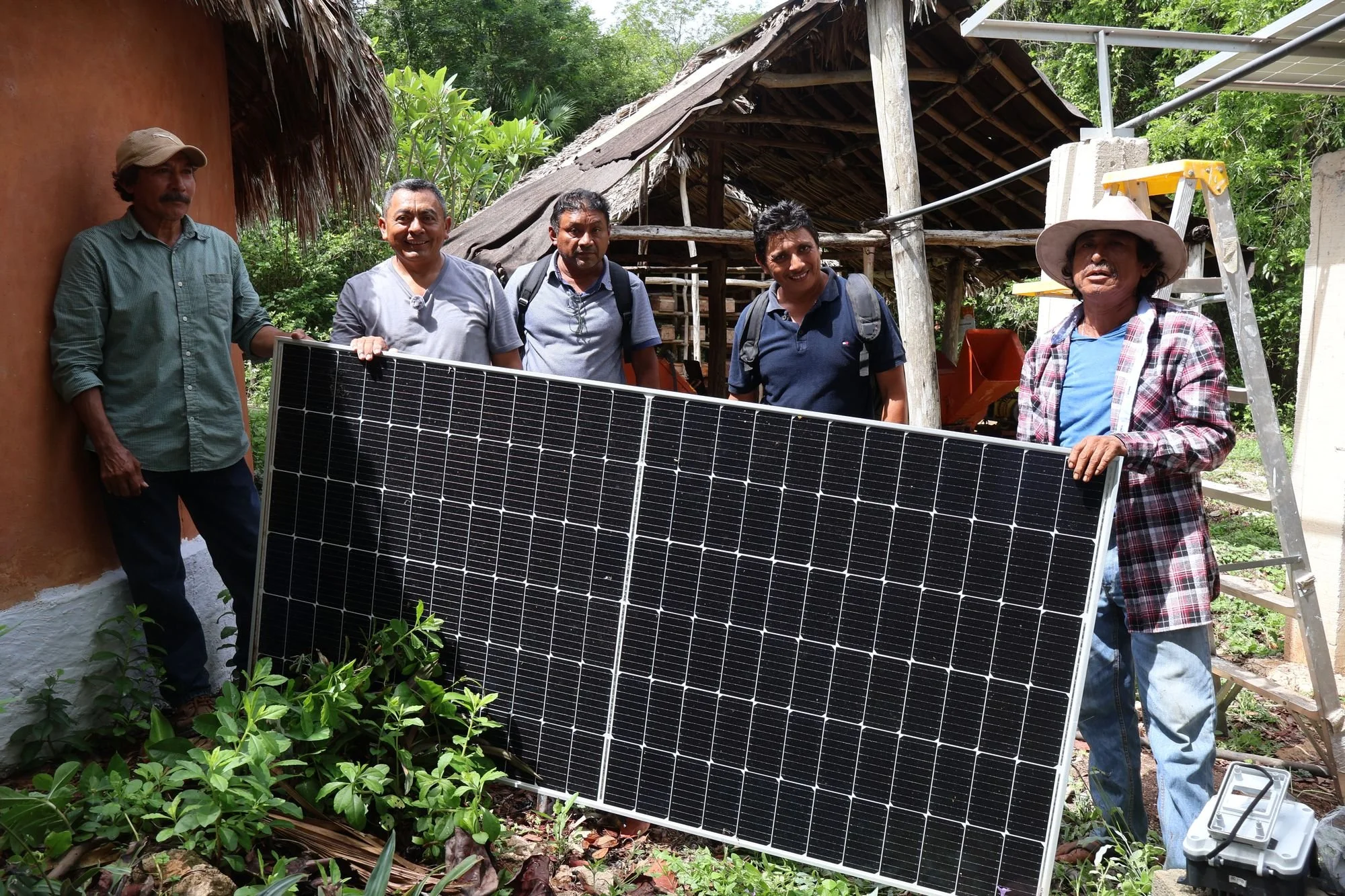
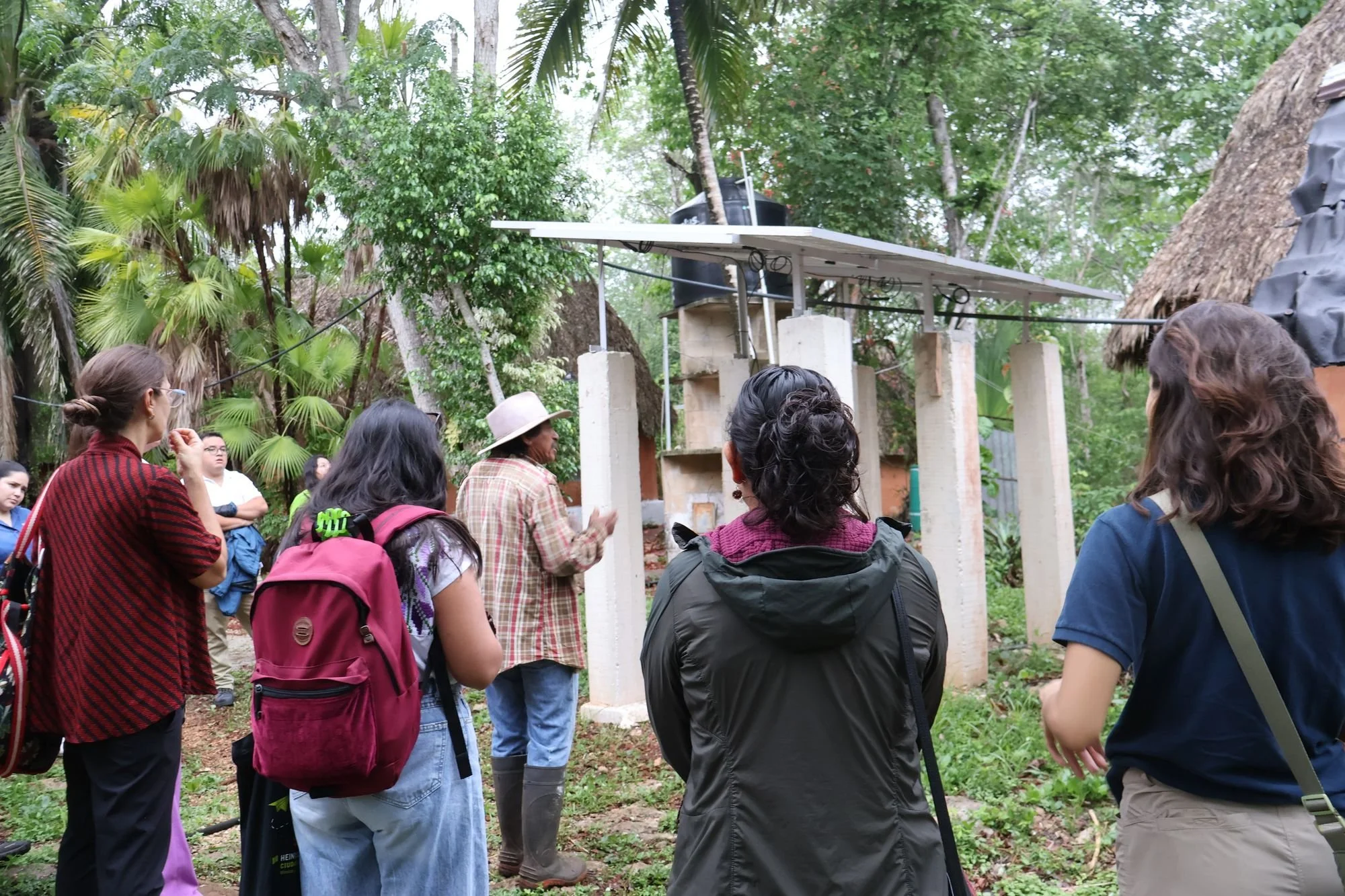
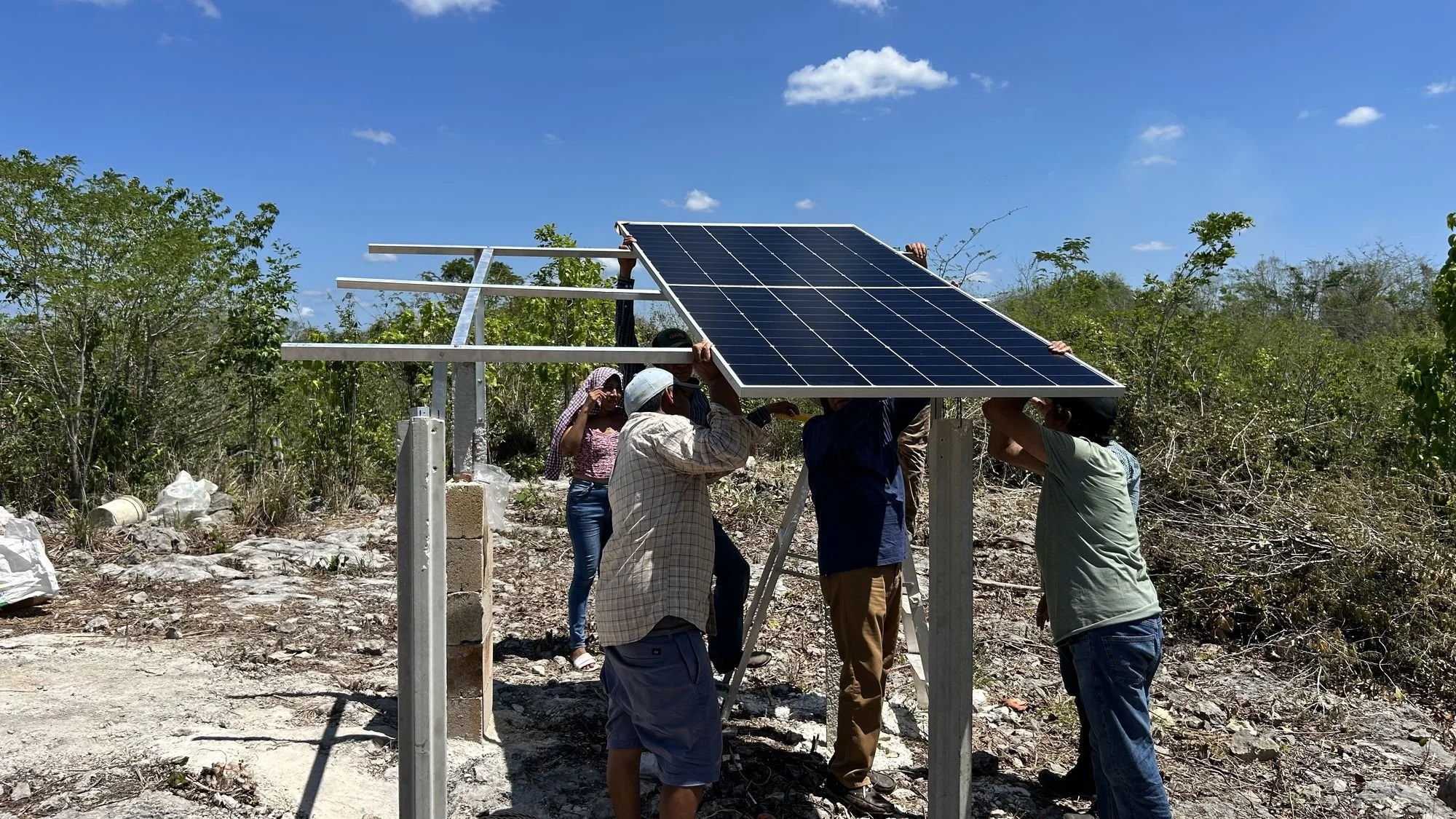
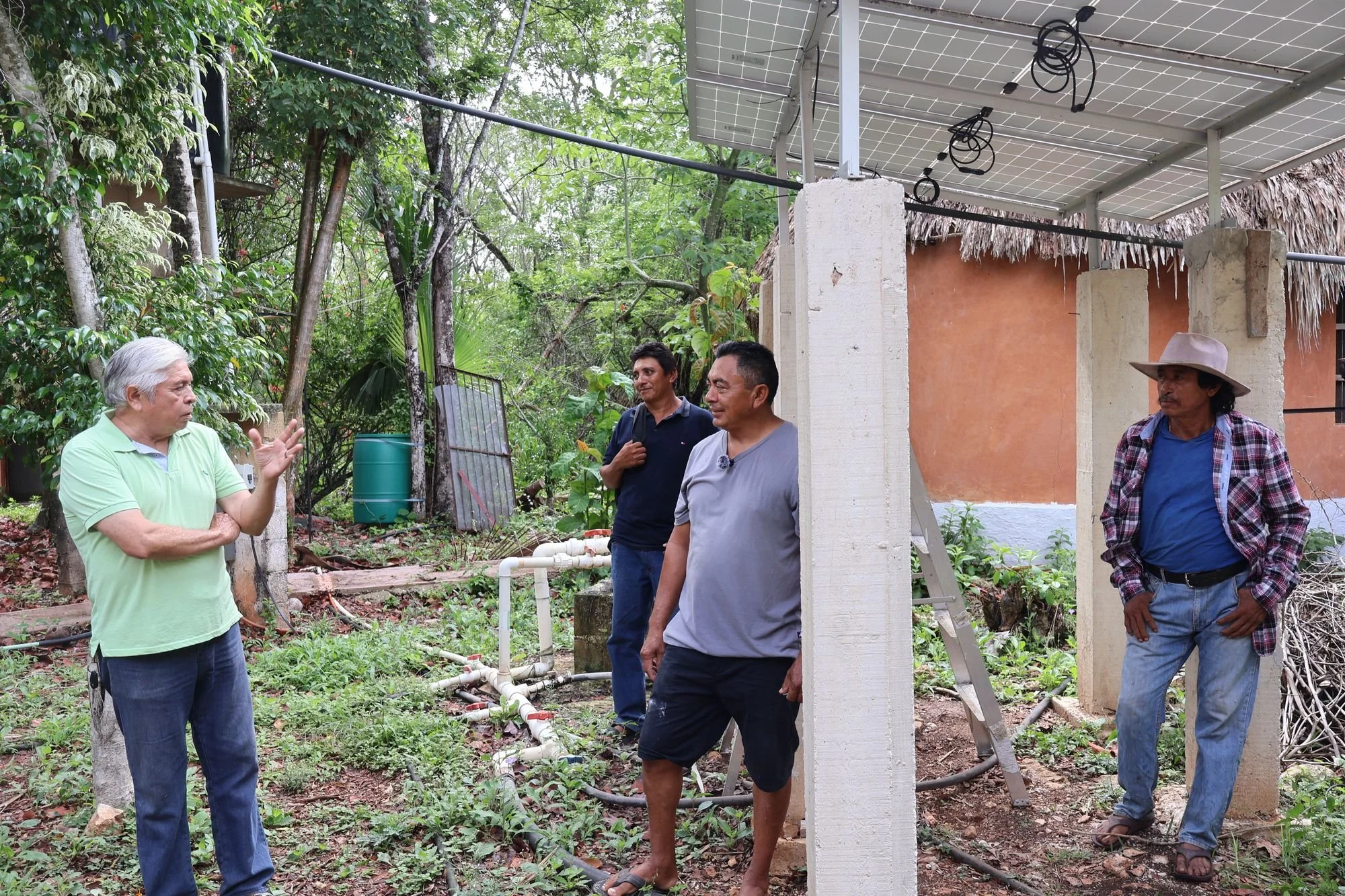
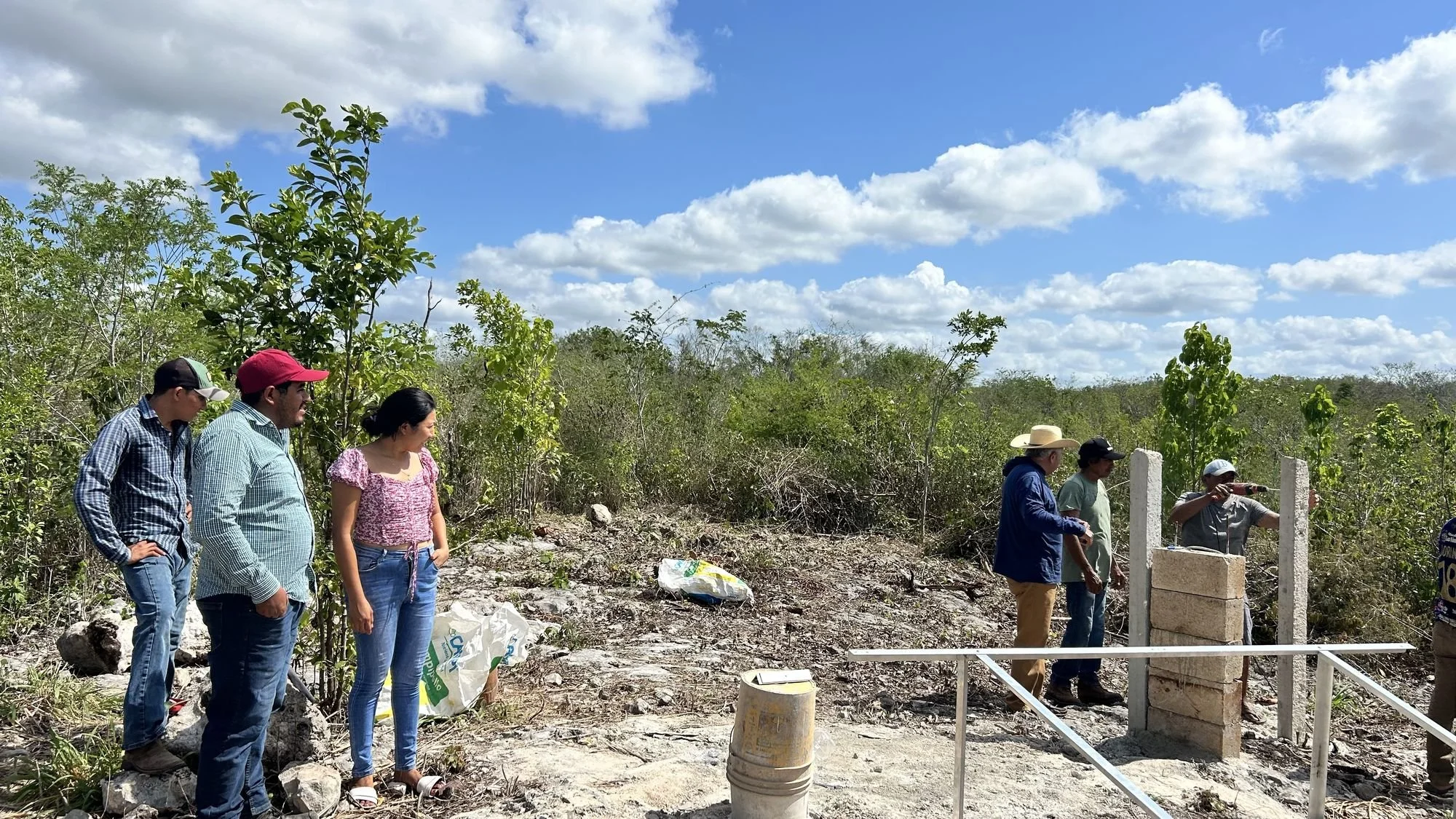
With support from the Honnold Foundation, Sostenibilidad Global and the Alianza por la Equidad Energética will implement 10 solar pumping systems on the plots of Maya farming families in the municipality of Maní, Yucatán, in partnership with the Escuela Campesina U Yits Ka'an. The project will directly benefit 10 families (approximately 50 people) who currently depend on diesel or grid electricity to extract groundwater for irrigation, which erodes their agricultural income; each system includes a submersible solar pump, monocrystalline panels, and a support structure, installed in wells the families have already built themselves.
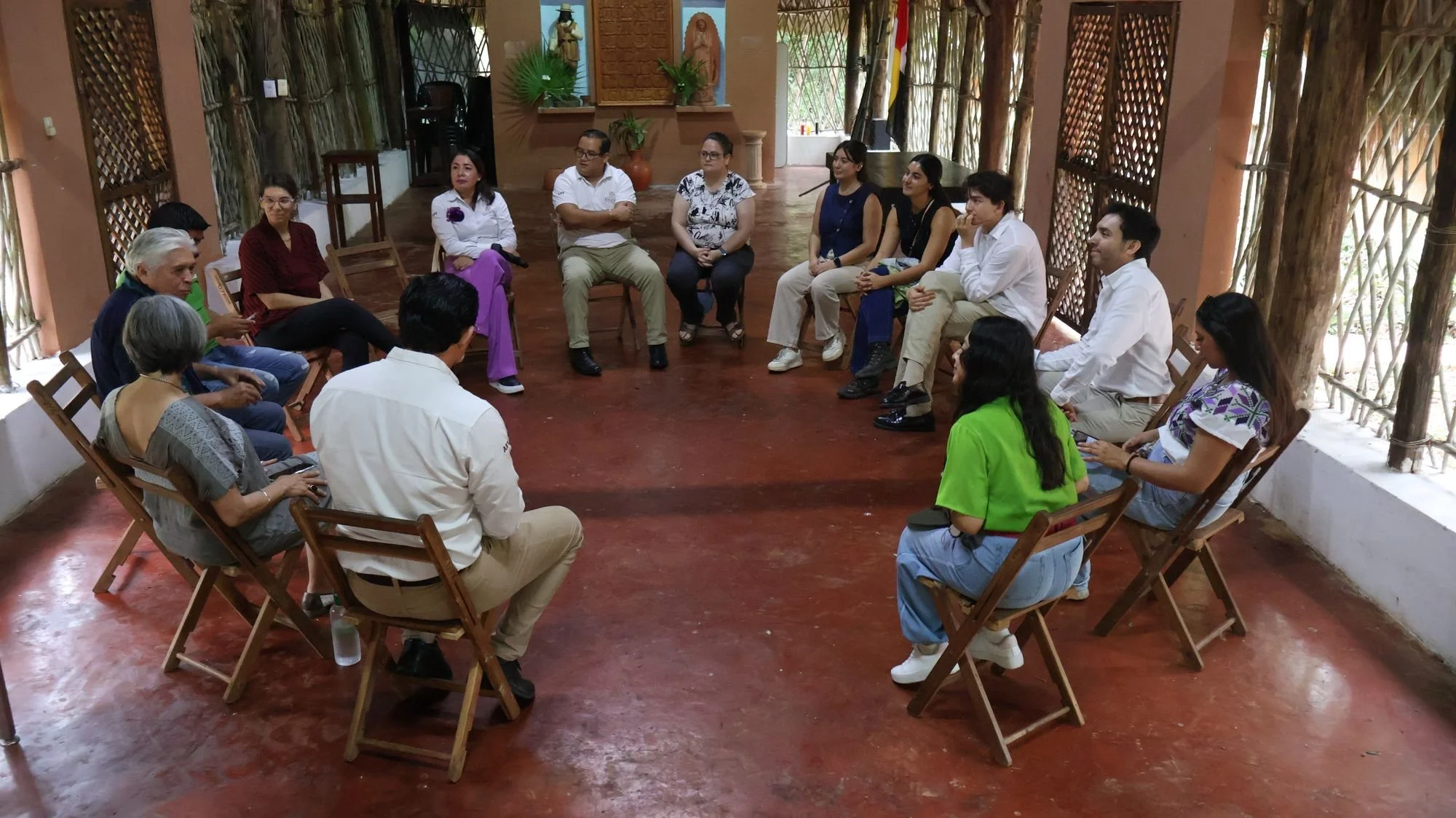
Beyond the infrastructure, the project includes technical training in operation and maintenance, participatory diagnostics with each family, experience exchanges among beneficiaries, and the development of a methodological guide to replicate the model in other communities in the region. The project aims to demonstrate that solar energy, when integrated into pre-existing community processes and paired with capacity building, produces sustainable results, including reduced costs for productive inputs, greater food security, productive diversification, and climate resilience.
In the News