Impact Spotlight
Powering a cold storage unit, fish processing plant, community kitchen, and wellness space with a 15 kW solar system
Training two Indigenous solar technicians and seeding a pipeline for solar workforce development in Bristol Bay
Laying the groundwork for a grid-sharing model to distribute solar credits across community households.
About
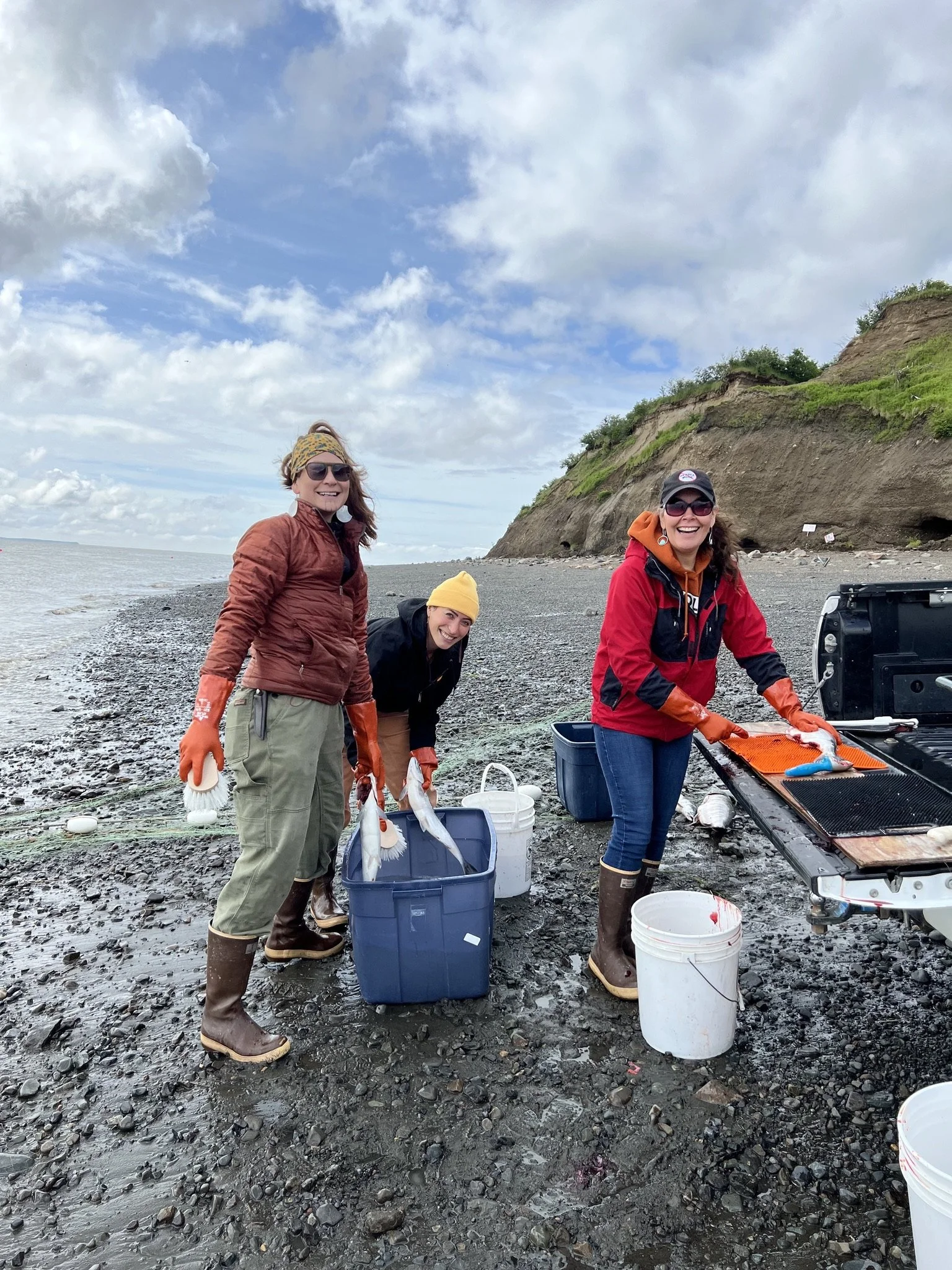
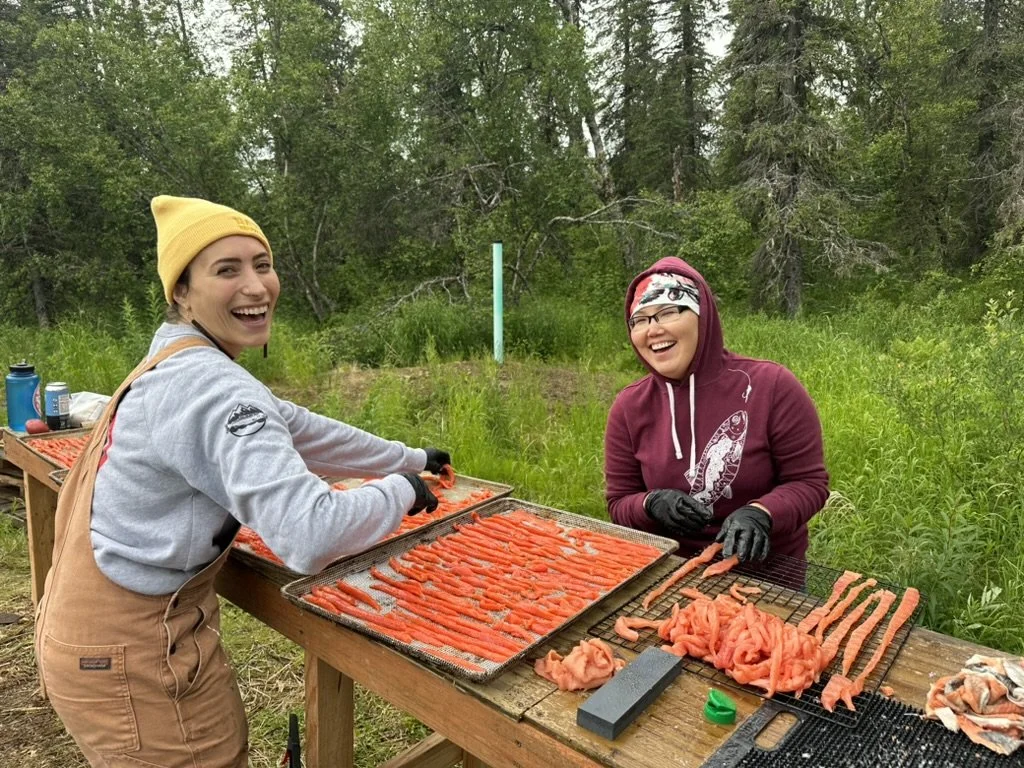
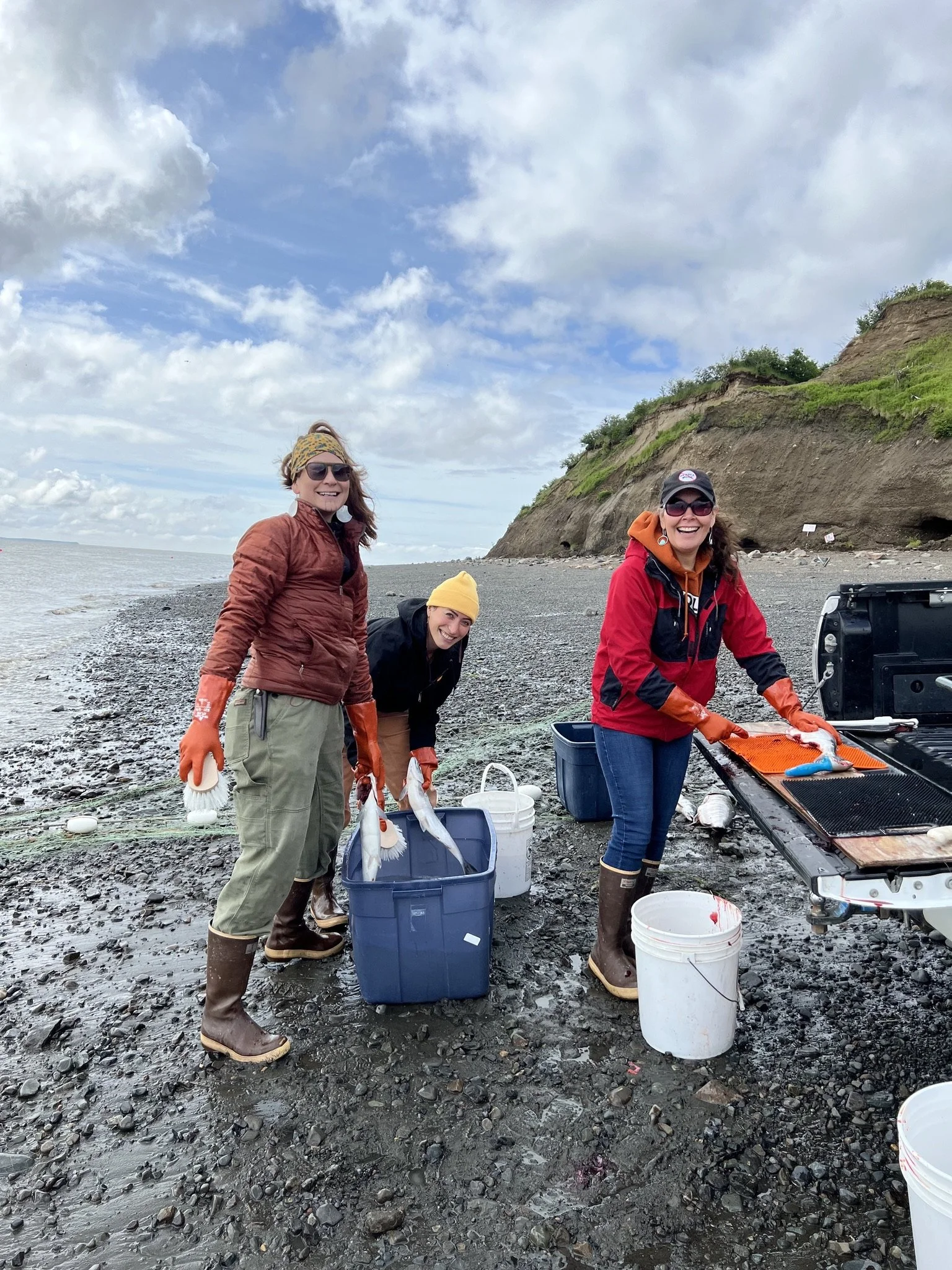
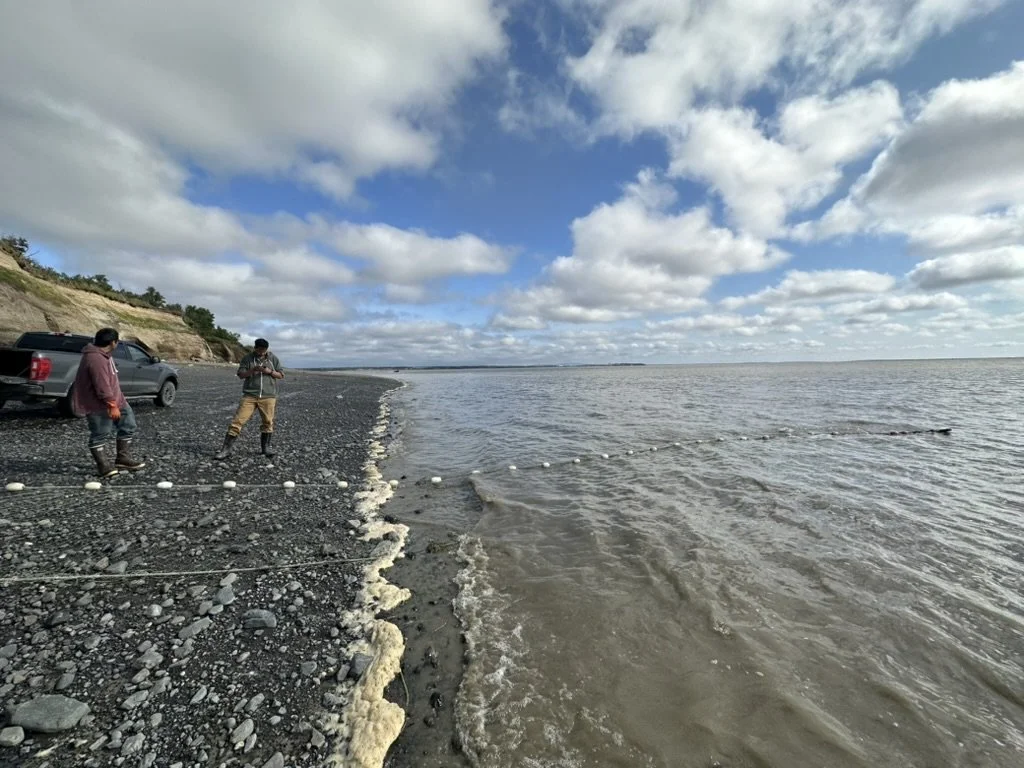
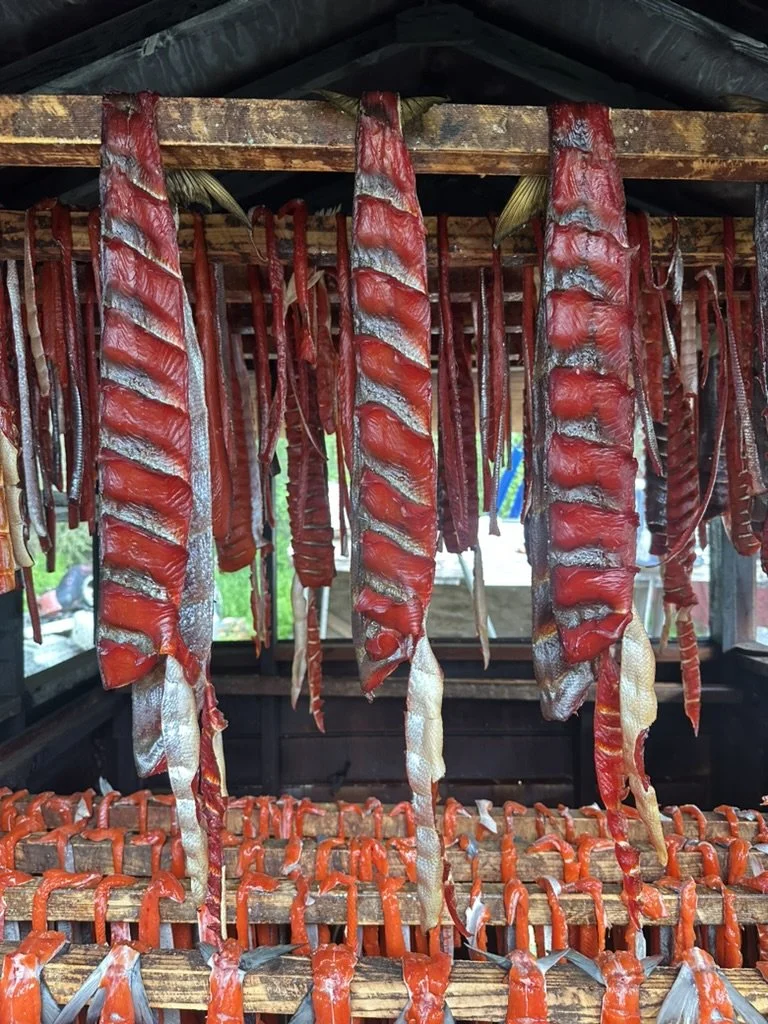
Based in Dillingham, Alaska, on the ancestral lands of the Curyung Tribe, Smokehouse Collective is a grassroots Indigenous-led initiative addressing climate change, food insecurity, and cultural disconnection through community-led solutions. The region is known as the last great wild salmon fishery in the world, but extractive economic activities, environmental degradation, and declining salmon runs have long sidelined Native residents from decision-making and limited their economic security.
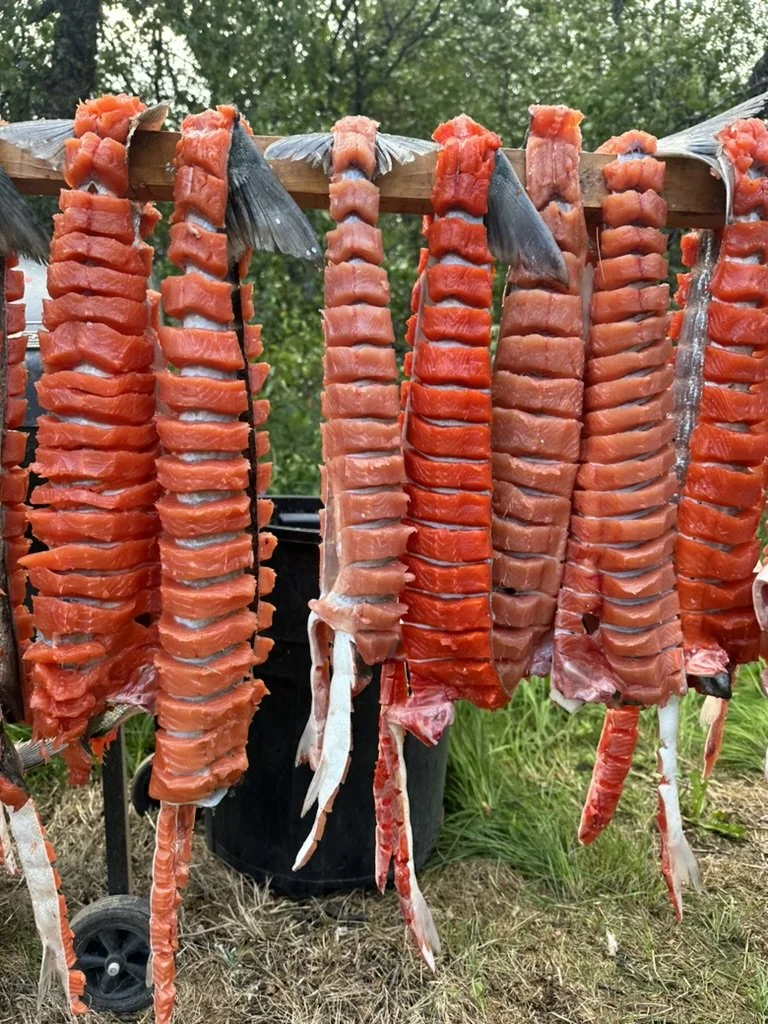
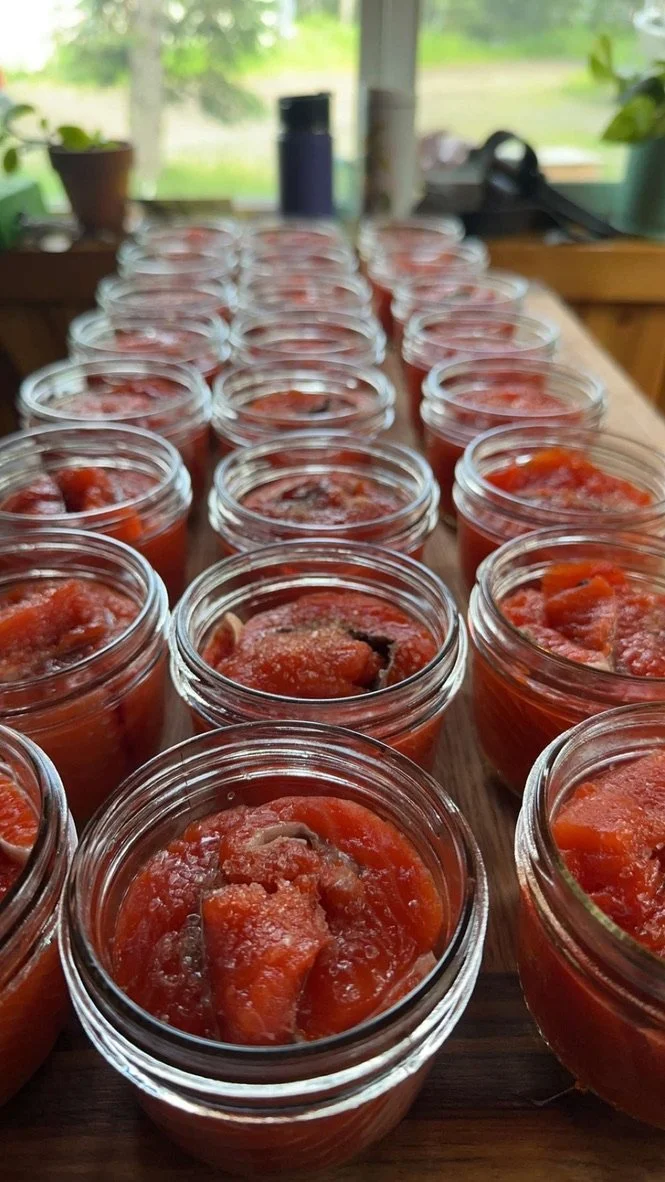
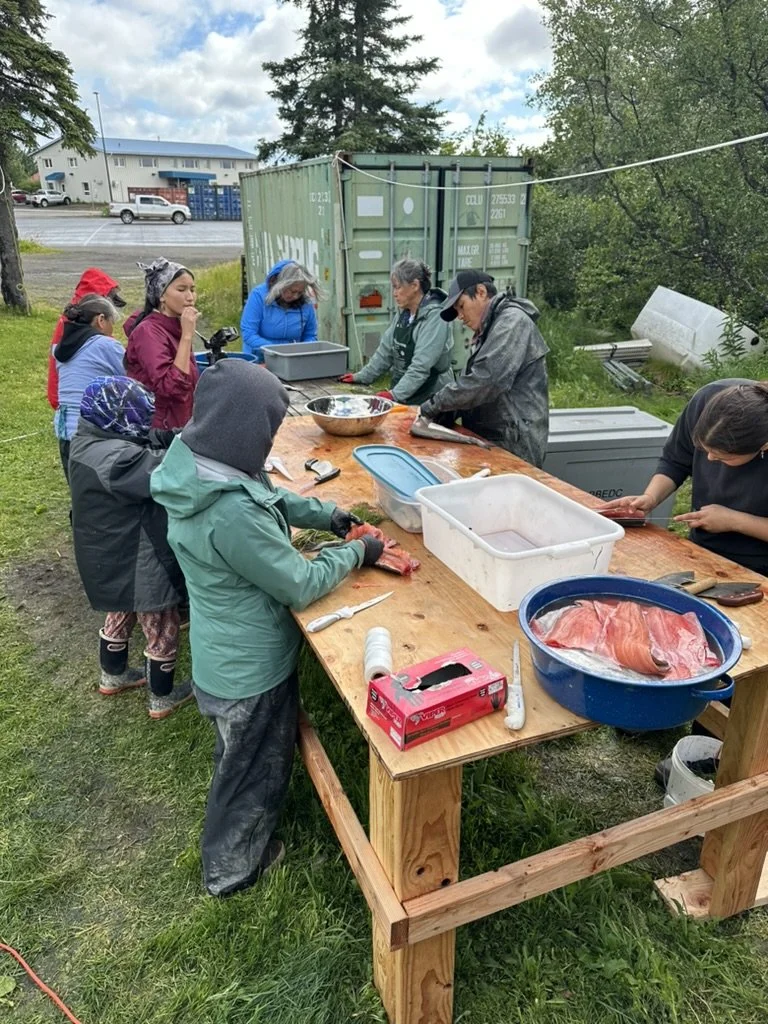
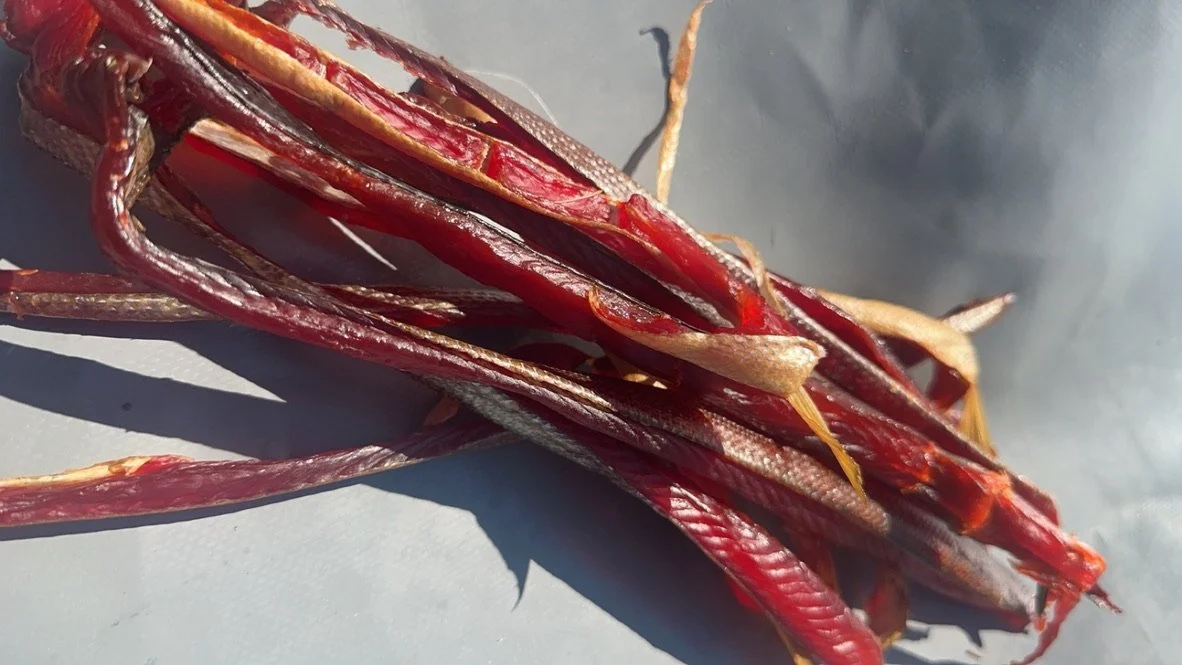
Smokehouse Collective strengthens ancestral trade networks, brings together intertribal communities from across the Yukon and Koyukuk Rivers, and creates a hub for collective healing. Its programs center traditional knowledge, food processing, and intergenerational exchange as a path to justice. In a region where most villages are only accessible by small aircraft, the solar-powered model offers a bold, localized response to systemic disinvestment and climate disruption.
“It’s time we take energy matters into our own hands. Sockeye Solar builds self-sufficiency while helping Smokehouse Collective allocate its resources toward the healing work we are trying to do around food sovereignty.”
HF Partnership
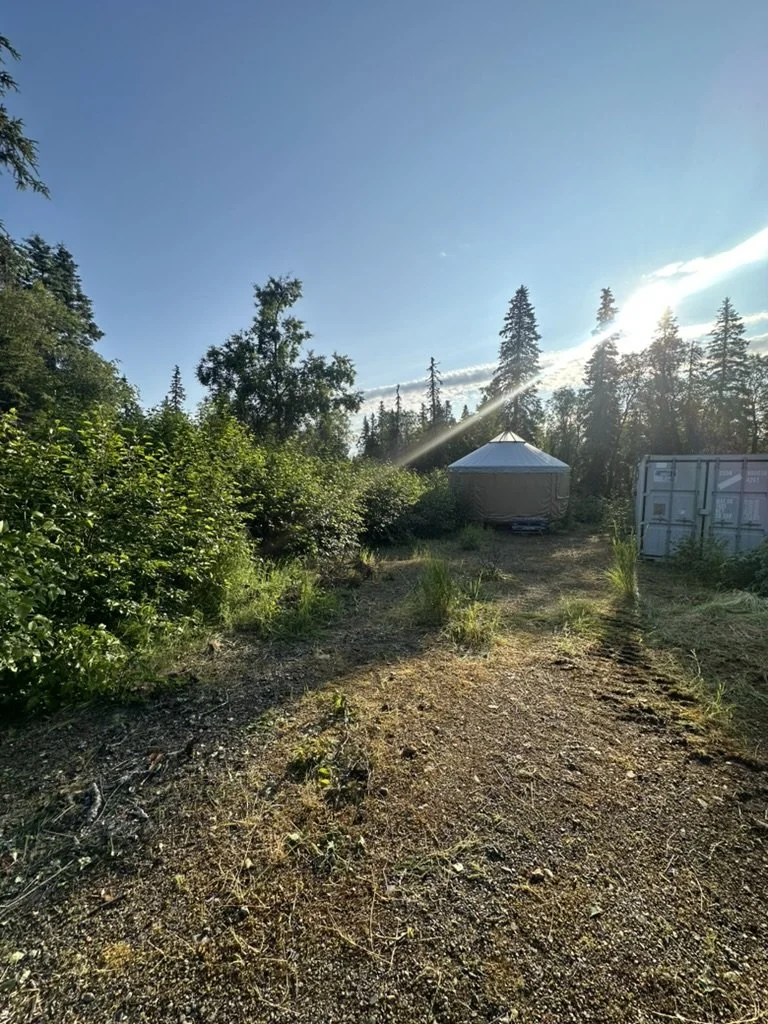
Sockeye Solar is Smokehouse Collective’s renewable energy initiative to power their food hub and cultural center in Dillingham with a 15 kW ground-mounted solar array and 20 kWh battery storage system. The system will serve multiple facilities, including an office, commercial-grade fish processing plant, freezer van, community kitchen, and event space, providing critical infrastructure for food preservation, cultural programming, and local gatherings.
The project will also train two Indigenous solar technicians and use the site as a living case study to seed long-term solar capacity across the region. By investing in energy sovereignty alongside food sovereignty, this project supports a resilient, interdependent future, rooted in land, tradition, and community power.

Resources
In the News