Impact Spotlight
Installing a 9.68 kW shore-based solar array with a hybrid inverter system, replacing an old diesel and propane system at an Indigenous gathering space
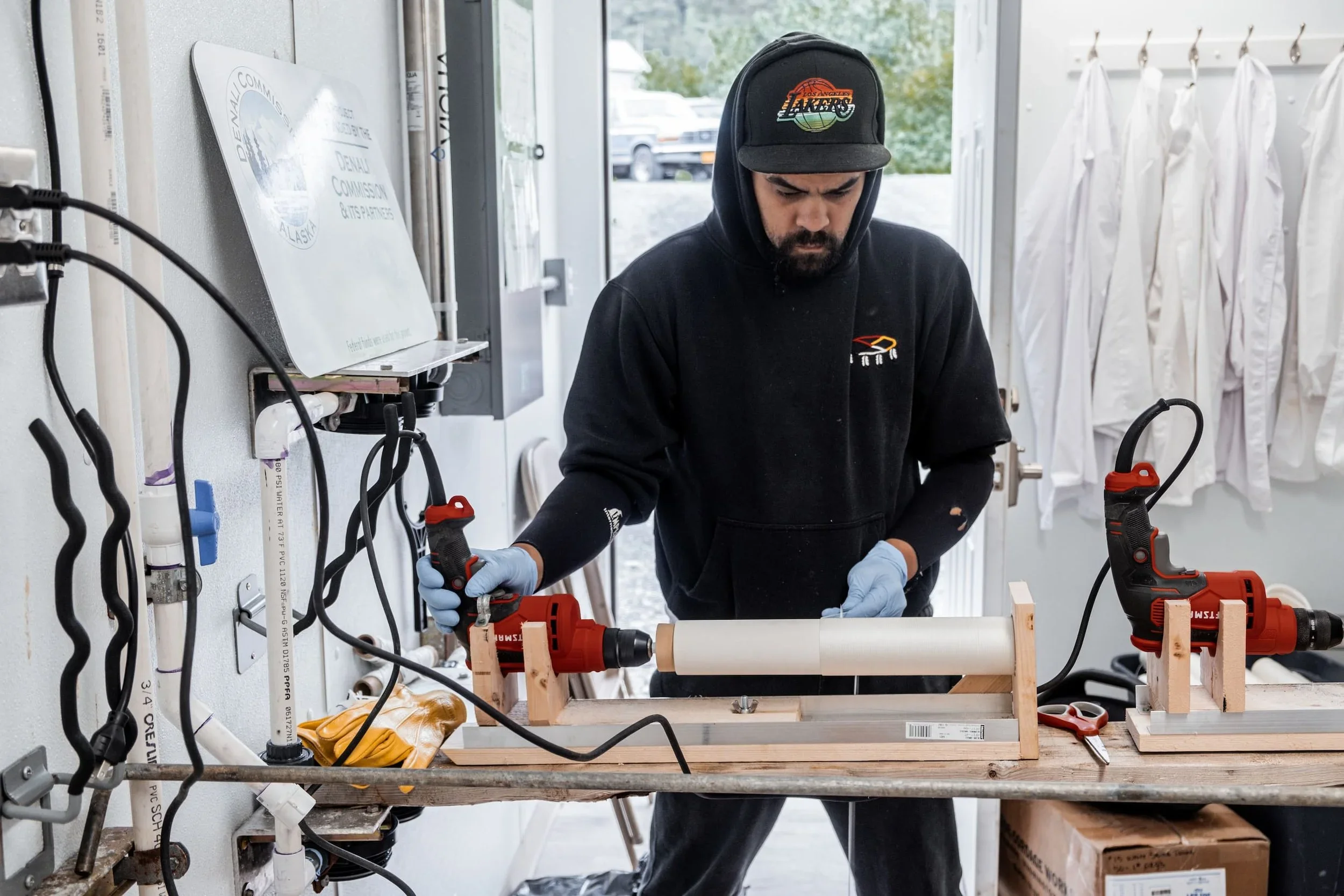
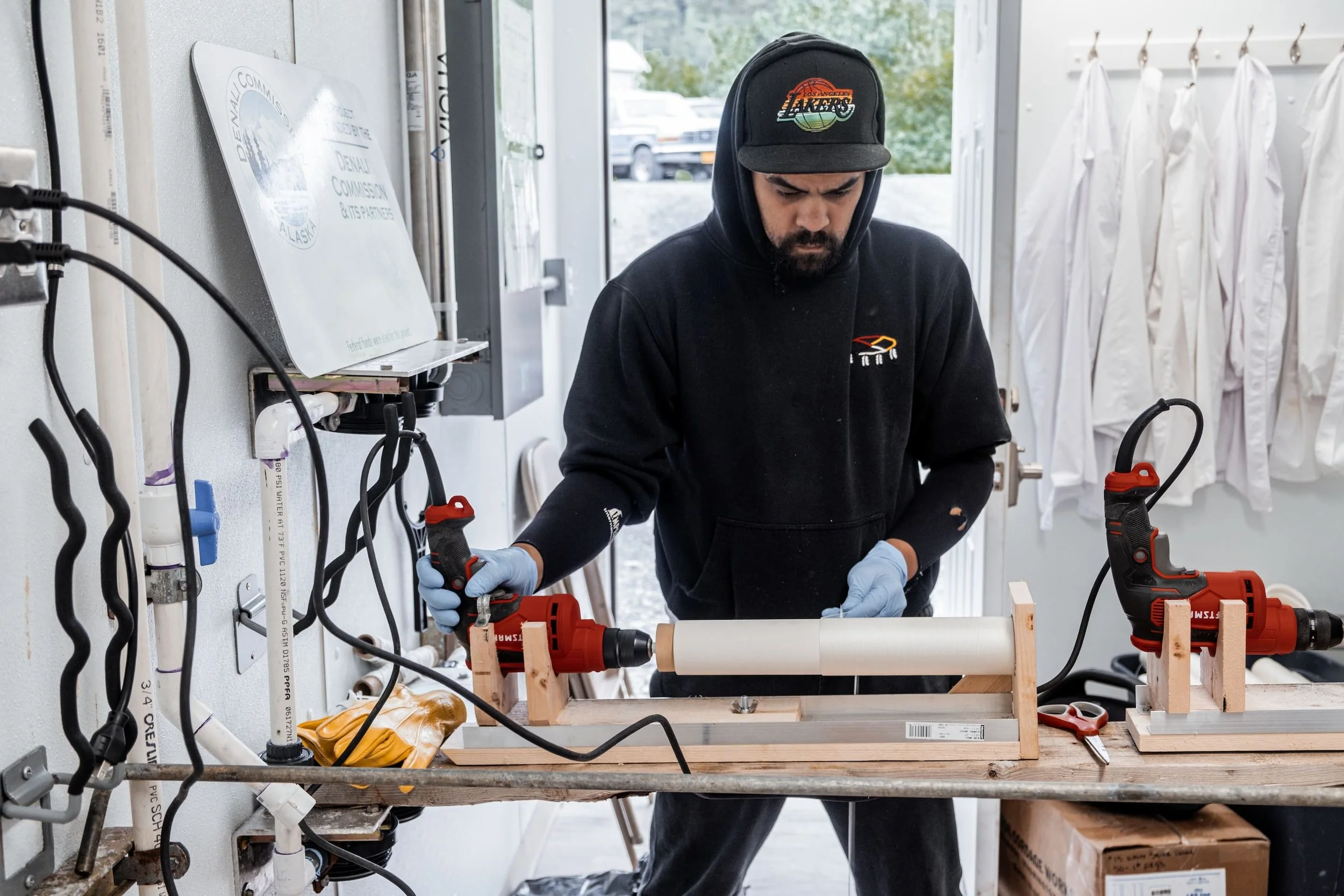
Training Alaska Native staff and community members to install, monitor, and maintain solar systems, building workforce skills for fishermen and kelp farmers
Installing cold storage, rain and freshwater catchment systems, and communications infrastructure tied to the dock to meet energy demands sustainably
About
Native Conservancy was established in 2003 to empower Alaska Native peoples to permanently protect and preserve endangered habitats on their ancestral homelands. Native Conservancy secures titles to Native lands in conservation trusts, strengthening Indigenous rights of sovereignty, subsistence, and spirituality, with a vision to create resilient futures for Indigenous peoples by preserving, repatriating, and restoring ancestral homelands, traditional food sources, and subsistence practices. Grounded in three pillars of responsibility, caring for the land, the water, and the people, Native Conservancy was established by Indigenous peoples from numerous tribes on iiyaaG (Eyak land) in Cordova, Alaska.
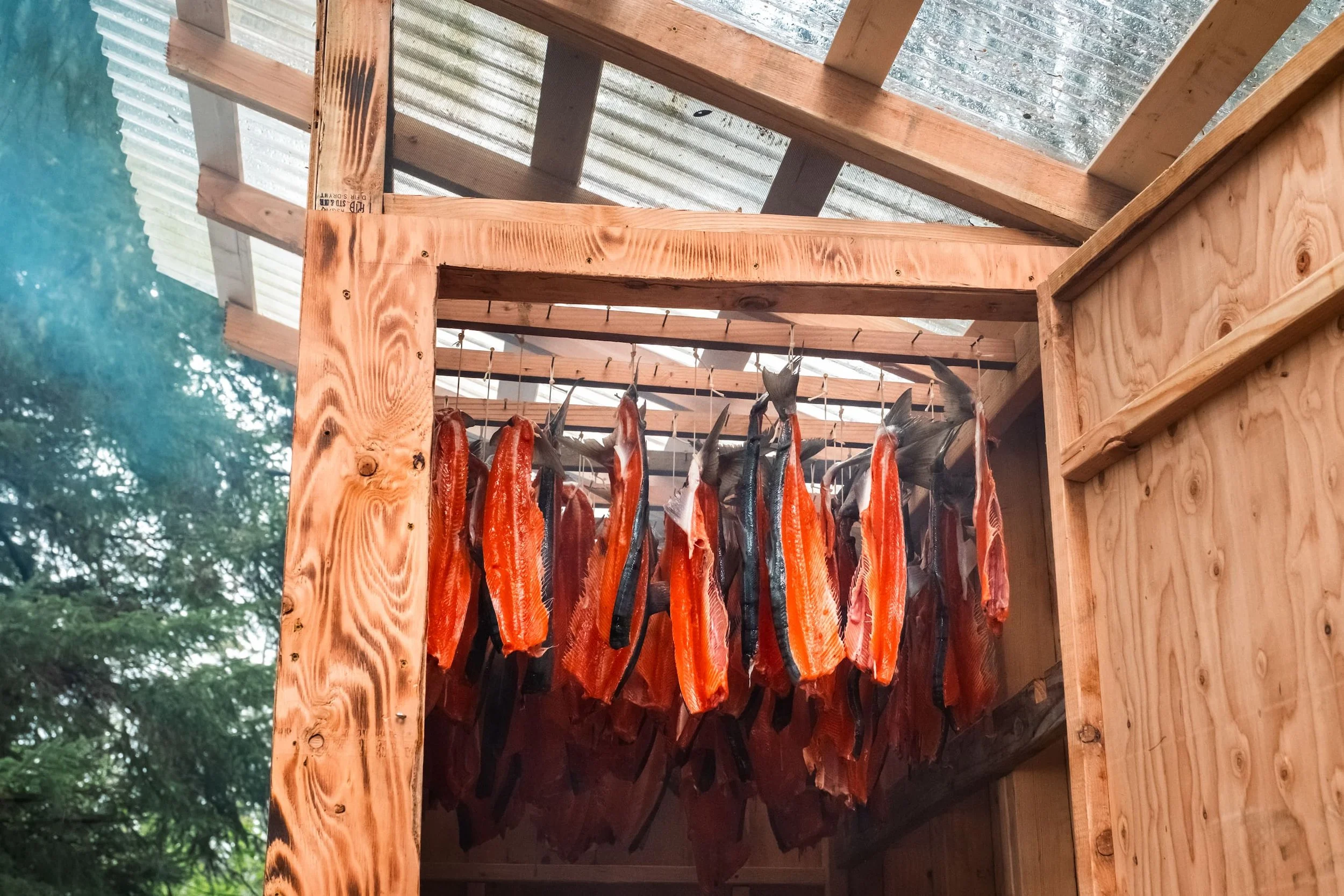
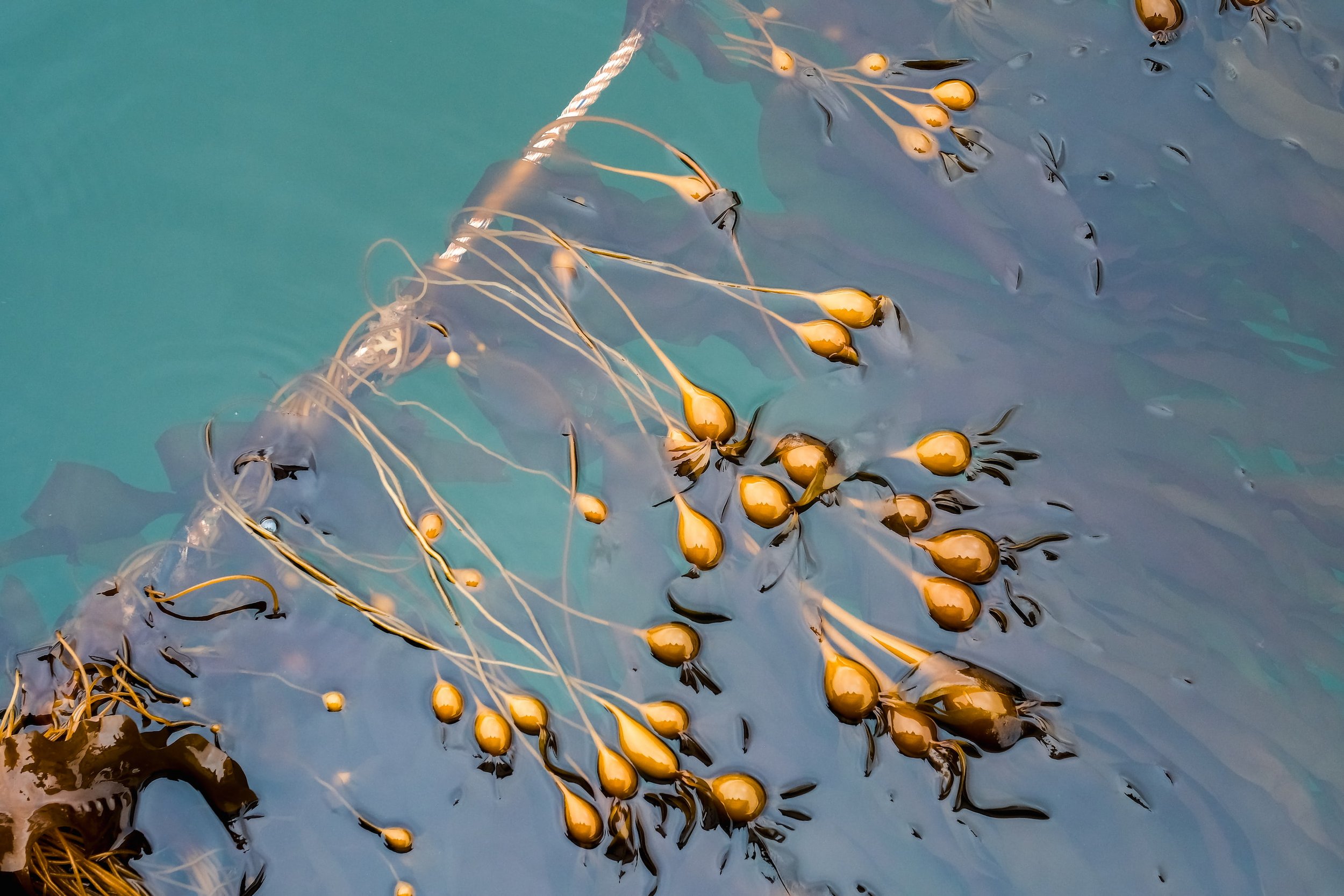
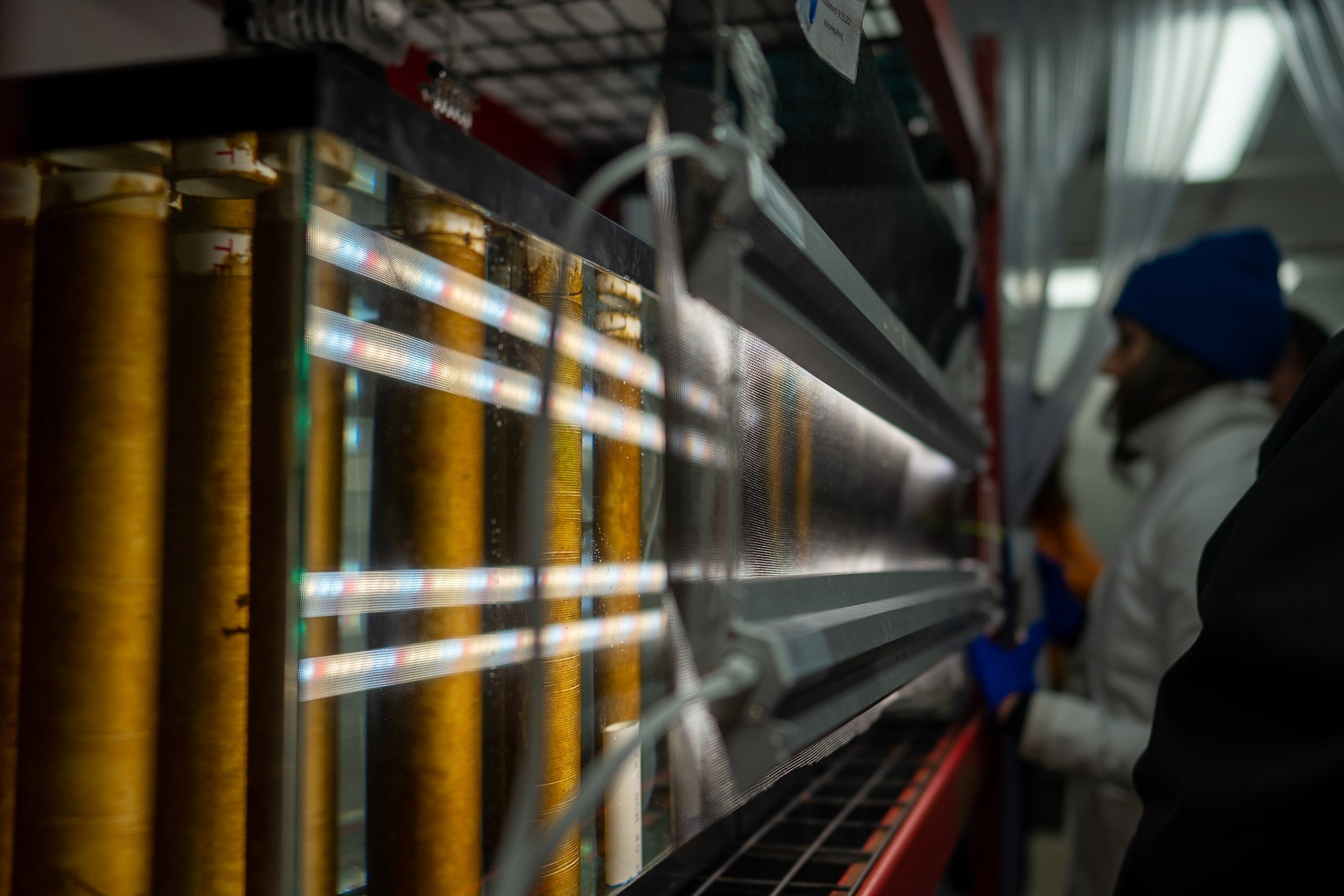
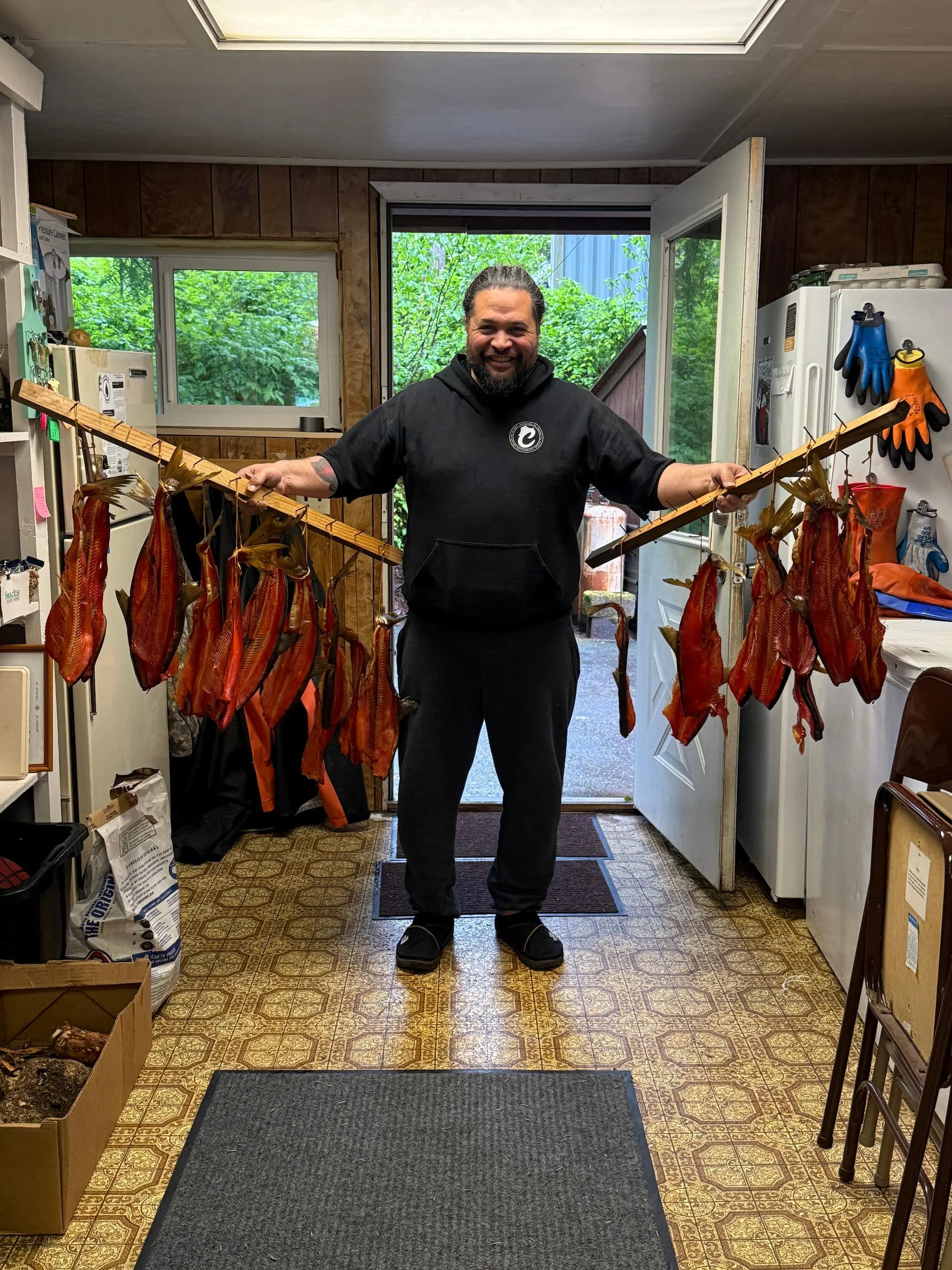
Through Native-led trusts and partnerships, its LandBack initiatives protect ancestral lands, safeguard local food systems, and uphold cultural lifeways, while its OceanBack programs use regenerative ocean farming and the revival of traditional food practices to restore marine ecosystems and support thriving local economies along Alaska's coastlines. Together, LandBack and OceanBack form PeopleBack, guiding Native Conservancy's work alongside Tribal communities across Kodiak, Prince William Sound, and Southeast Alaska.
“Kelp doesn’t need to be chased around. You don’t have to feed it, fertilize it, or water it. If this ocean economy is going to be regenerative, the energy that supports it has to be regenerative too. We want to build energy systems that work for the people stewarding their homelands and waters.”
HF Partnership
In partnership with HF, Native Conservancy will install a 9.68 kW shore-based solar array with 22 bifacial panels and a hybrid inverter and battery system to power an off-grid Indigenous gathering site in eastern Prince William Sound. The site serves as a working hub for mariculture training, food sovereignty work, cultural gatherings, and community research, hosting Indigenous leaders, Tribal members, kelp farmers, youth, and scientists. Today, the site runs entirely on diesel and propane transported by boat two miles across Orca Inlet from Cordova – fuel that is expensive, vulnerable to supply disruption, and risky to move through a sensitive marine ecosystem.
The new solar array is expected to generate roughly 30 to 40 kWh per day on an annual average, powering cold storage, seawater intake and freshwater filtration, lodge and cabin power, communications, and dock infrastructure. Alaska Native community staff will help build, install, and commission the system, then take on its monitoring and maintenance, building on a workforce pipeline that has trained more than 75 Indigenous farmers and technicians since 2019. The project will steeply reduce diesel and propane use and cost, ensure reliable year-round operations for training, food sovereignty, and kelp farming, and demonstrate that remote Alaska Native coastal communities can build and run their own energy systems.
In the News