Impact Spotlight
Installs solar power with battery backup for a whole Indigenous community farm and kitchen
Powers a solar well pump to strengthen island food security
Trains up to 40 community members in solar electric and solar well pump installation
About
Mooningwaanekaaning (Madeline Island) sits in Lake Superior off northern Wisconsin and is an important homeland of the Anishinaabe people. For the island’s year-round community, geography shapes everyday access to food and services: travel to the mainland depends primarily on ferry service, shifting to passenger windsleds or an ice road when winter conditions prevent ferries from operating.
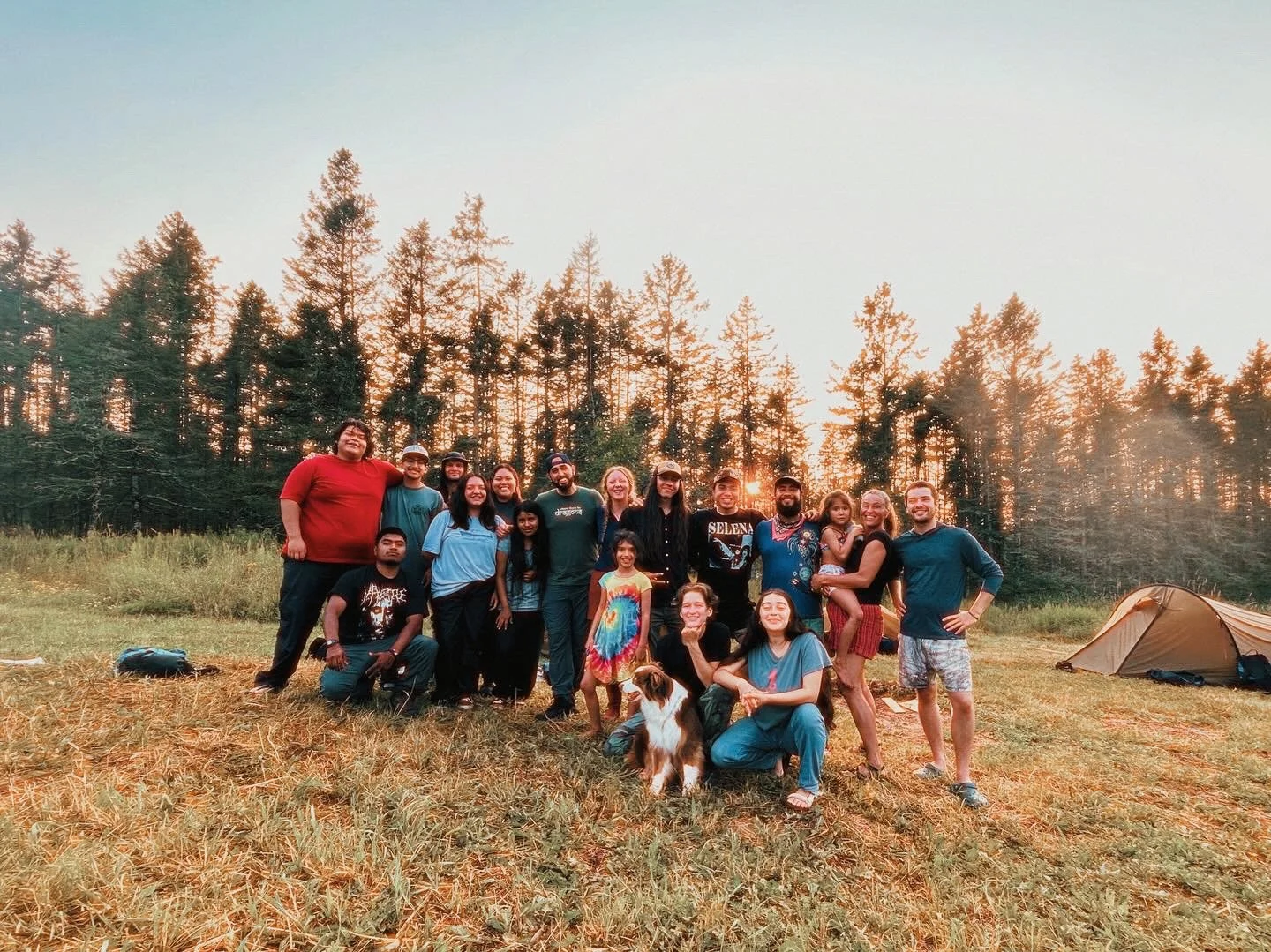
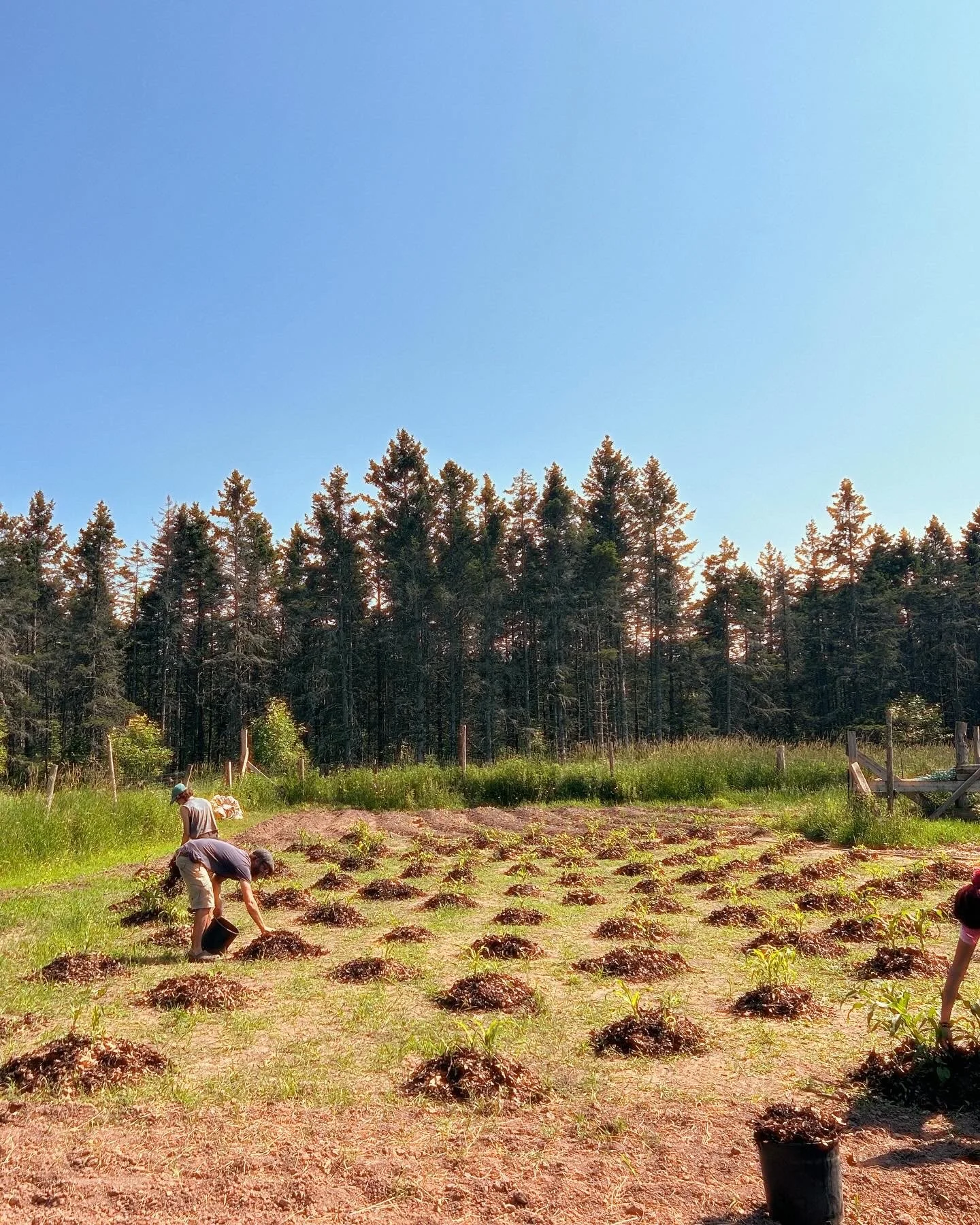
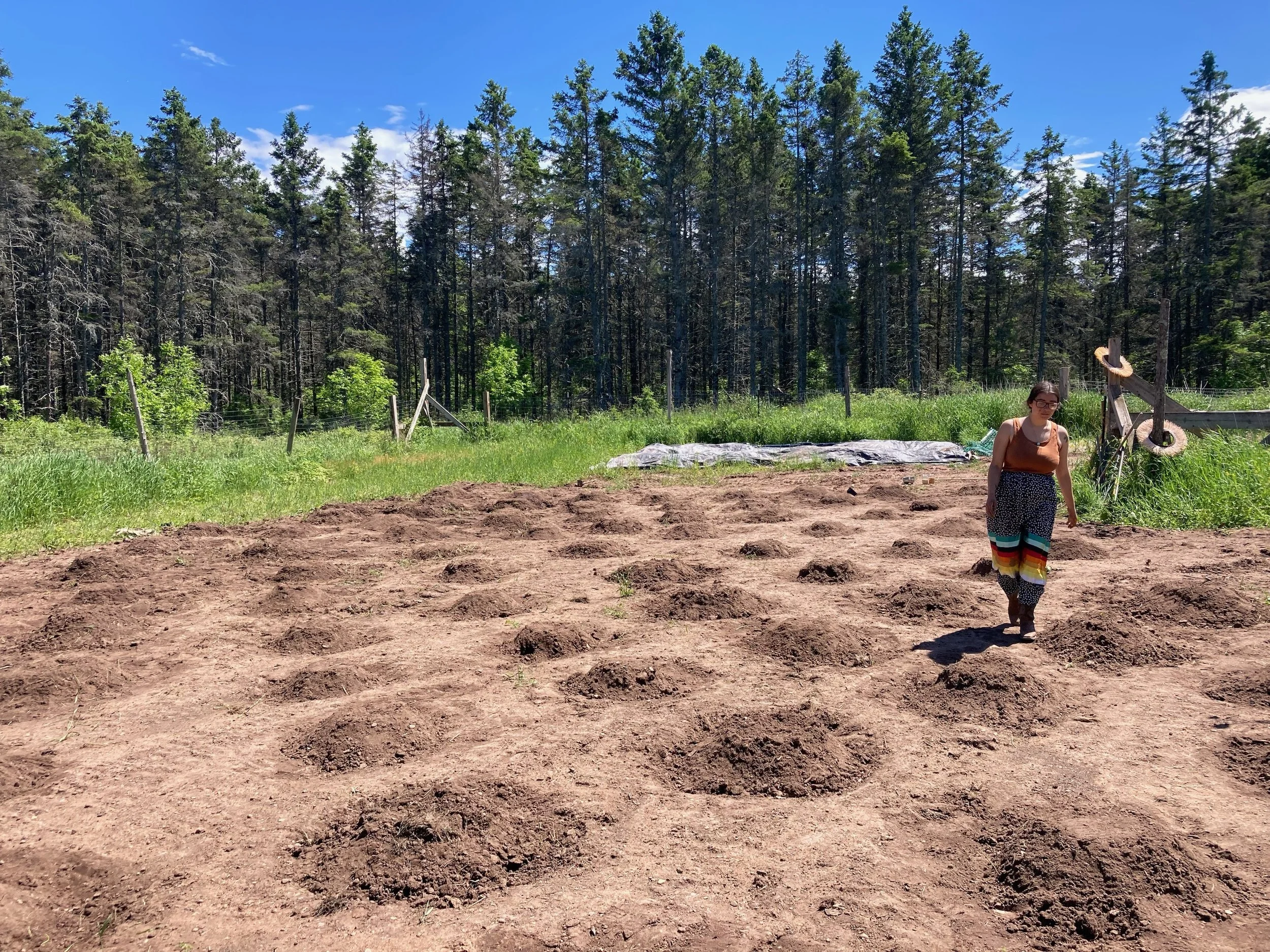
Manitou Makoons Gitigaan is a five-acre community farm on the island operated by Native American Educational Technologies (NAET). Founded in 2023 in response to community need, including from the neighboring Red Cliff and Bad River Tribes, the farm works to strengthen Indigenous presence, community healing, and a more resilient local food system. It supplies produce, herbs, eggs, dairy, meat, and wool to the community, including through a partnership with Darlings Grocery, the island’s only grocery store.
In a place where food brought from the mainland requires additional transportation and year-round access can shift with Lake Superior conditions, strengthening local production is an important source of resilience. Manitou Makoons is helping build a more locally rooted, Indigenous-centered food economy while creating space for cultural connection, learning, and long-term stewardship of the island.
“Our community’s power is rooted in our ability to take care of each other when times are hard, and that includes being able to feed each other. We want our community’s food to not have to rely on fossil fuel and global politics, and solar electrification is a major step towards this.”
HF Partnership
Manitou Makoons Gitigaan currently relies on commercial on-grid electricity from Xcel Energy to power its irrigation, kitchen, and food processing equipment, leaving the farm without a way to maintain its on-island food production during the power outages the rural community experiences periodically each year. Through this partnership, the farm will install a 21.84 kW, 48-panel ground-mounted, agriculturally integrated solar system with 16 kWh of battery backup, providing all of the farm's electricity and ensuring irrigation and the community kitchen and food processing building can continue operating during outages.
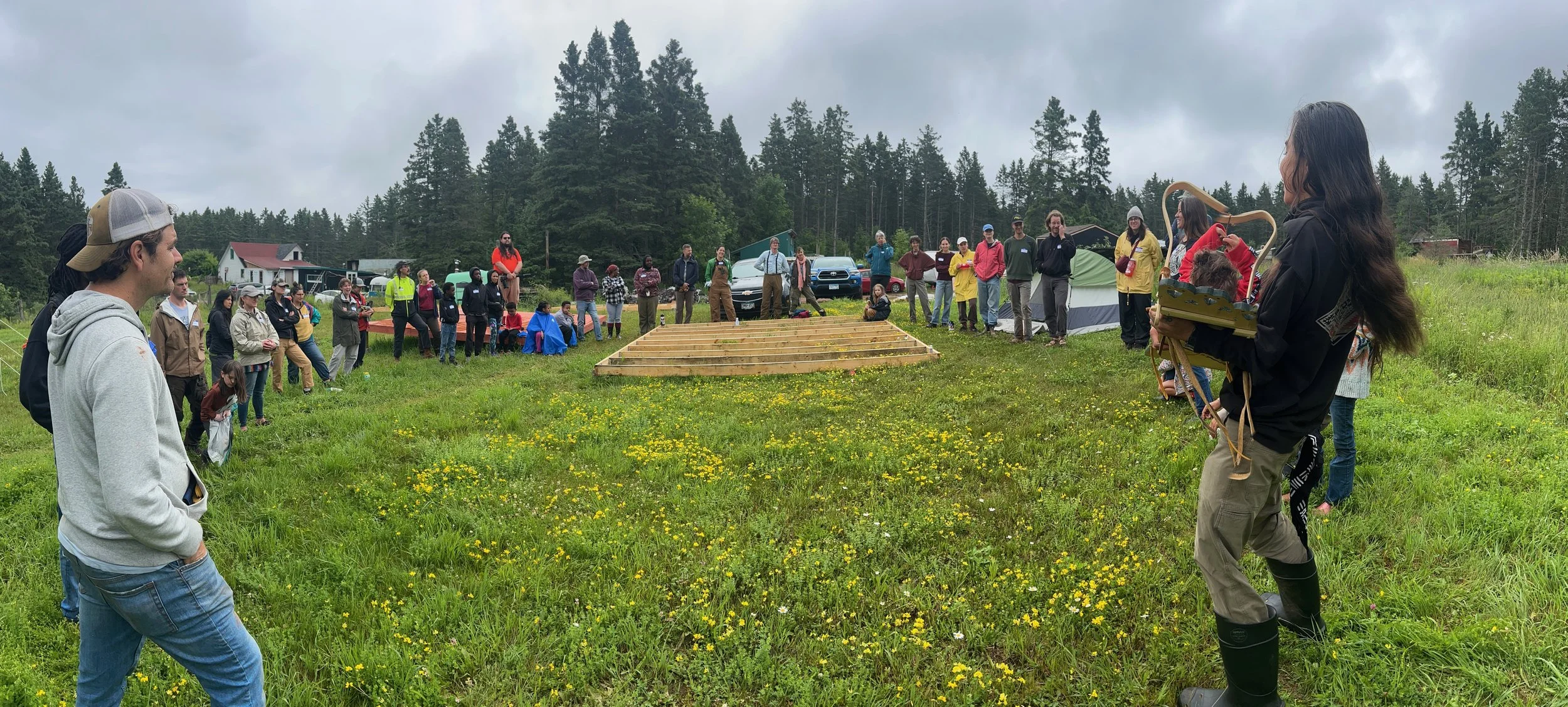
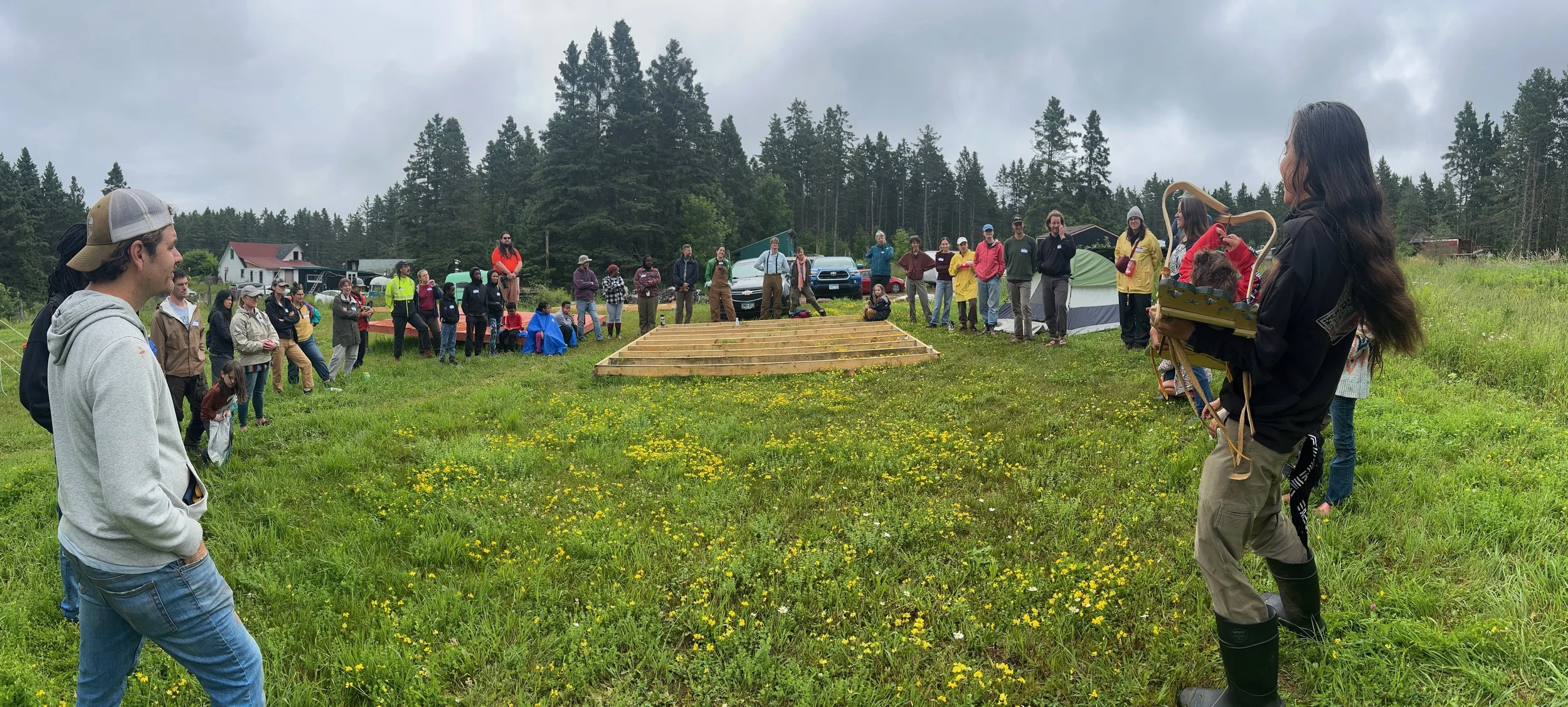
The project will also fund a solar water pumping workshop involving the island's youth program, building regional skills in renewable energy alongside the installation; one staff member and one board member are former professional photovoltaic designers and installers who will support the effort. By pairing solar infrastructure with hands-on training for up to 40 community members, the project will strengthen the island's food security and energy resilience while serving as a model for the Tribal food sovereignty programs, youth groups, and researchers.
In the News