
Impact Spotlight
Powers sago processing and community services in Samurukie Village with a 33 kWp solar and 150 kWh battery system
Trains 15 residents in solar system operations, with targeted support for women to launch clean energy-based businesses
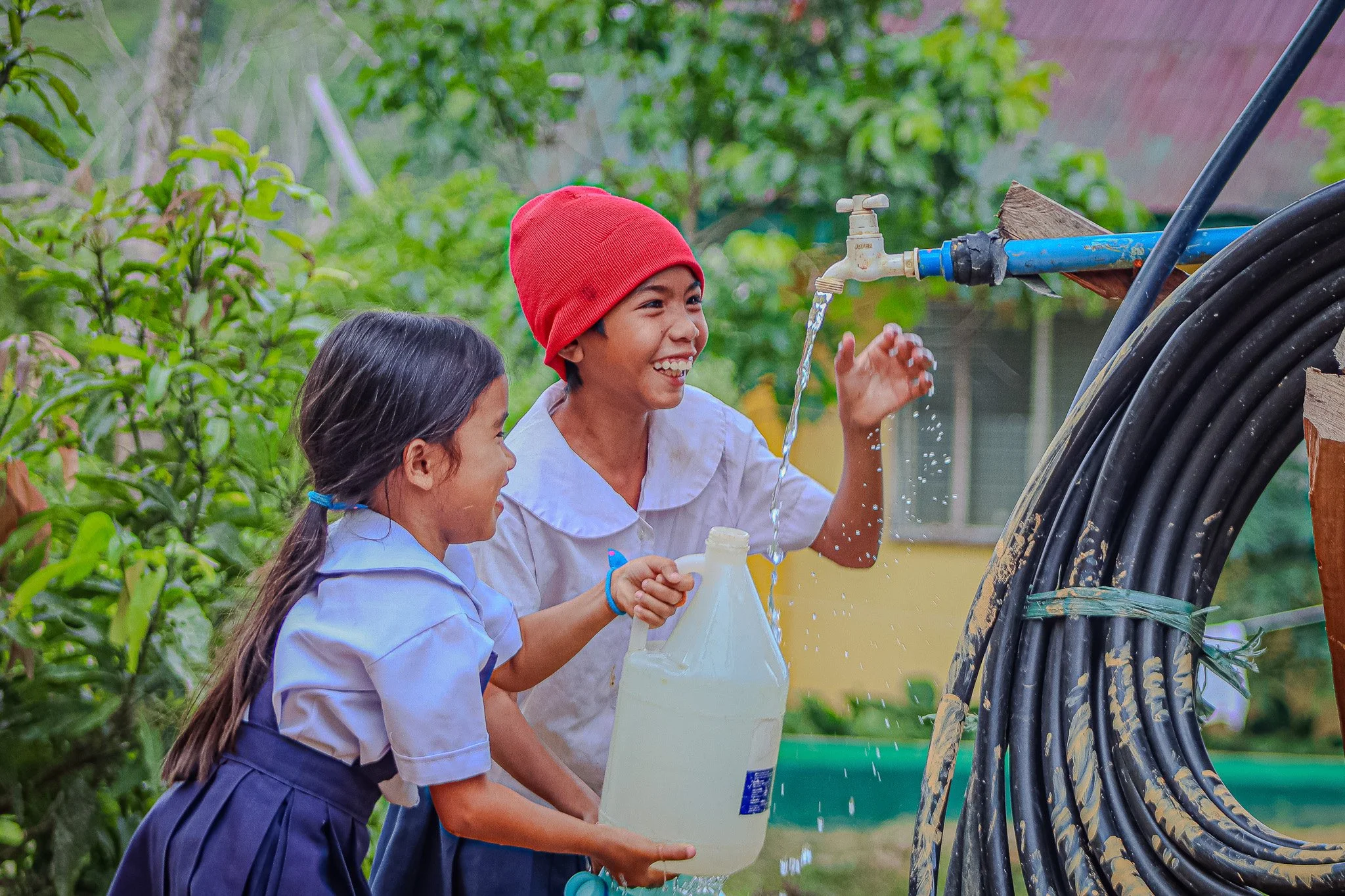
Benefits 429 people through reliable, renewable electricity for homes, water access, and economic activity
About
GAWIREA is an Indigenous- and women-led organization focused on renewable energy access and women’s empowerment across rural Indonesia. In Samurukie, a remote village in Papua, residents face persistent energy poverty, relying on expensive diesel generators or kerosene lamps. Women often shoulder the burden of food production and caregiving, but are excluded from energy-related decision-making.
Through this project, GAWIREA is deploying a hybrid solar-thermal system that powers both household essentials and automated sago processing—supporting a local staple crop and strengthening food security. By coupling this with training and seed support, GAWIREA ensures that women and youth are not just passive beneficiaries but drivers of a more equitable and climate-resilient future.
“Wani Yinio ignites more than machines, it lights up possibilities. By turning the ember of a mother’s strength into renewable energy, this project empowers women in Papua to feed their families, power their communities, and lead Indonesia toward a sustainable, zero-emission future. We are the first first women-operated community solar project in East Indonesia.”
HF Partnership
GAWIREA’s Wani Yinio Sago House will bring reliable, off-grid power to 56 households and public facilities in Samurukie Village via a 33 kWp solar array and 150 kWh lithium-ion battery system, alongside a solar-powered water pump and productive-use equipment for sago processing, weaving, refrigeration, and lighting
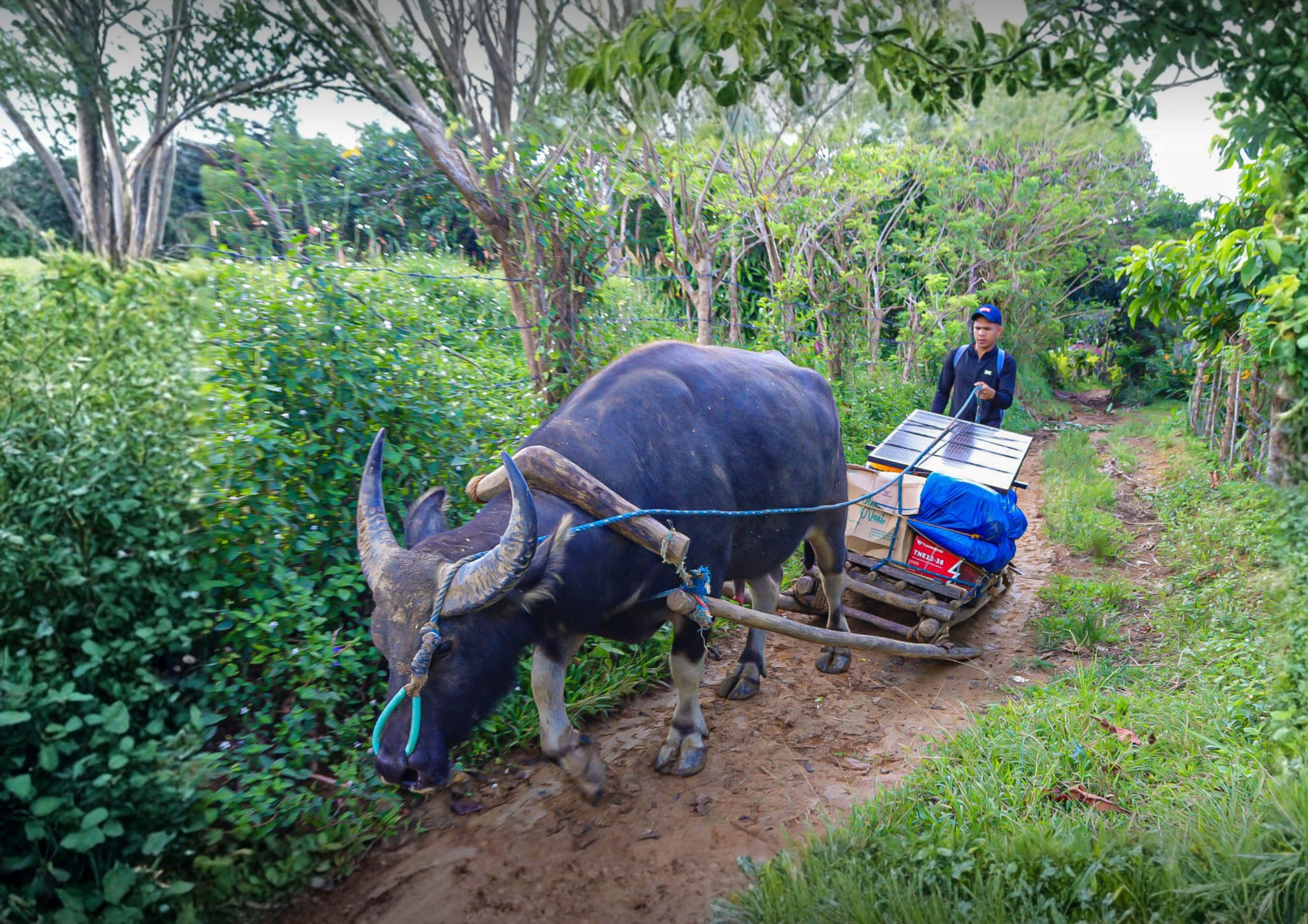
Installation will be carried out by renewable energy engineers in collaboration with trained local workers. A Community Energy Management Group (CEMG) will manage system upkeep with support from GAWIREA. Additionally, the project includes hands-on technical training for 15 residents, women's entrepreneurship workshops, seed grants, and public education on clean energy and climate resilience.
By replacing diesel generators and enabling new income-generating activity, the project directly improves health, safety, education, and economic opportunity—especially for women and youth.


In the News