Impact Spotlight
Powers a community fruit-processing center with solar energy, reducing post-harvest losses and increasing family incomes
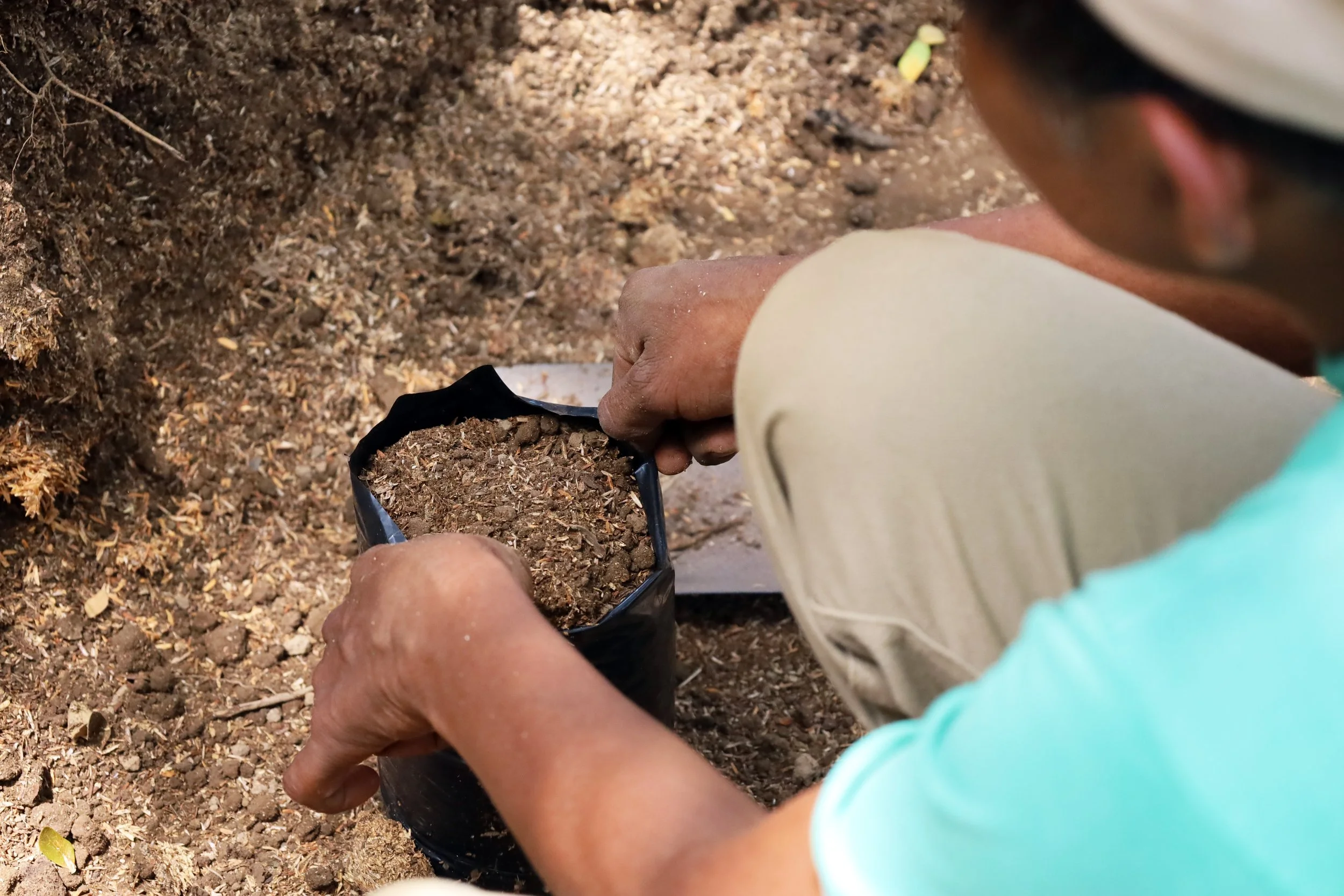
Strengthens the livelihoods of 27 Afro-descendant and Indigenous families through solar irrigation systems for resilient agricultural production
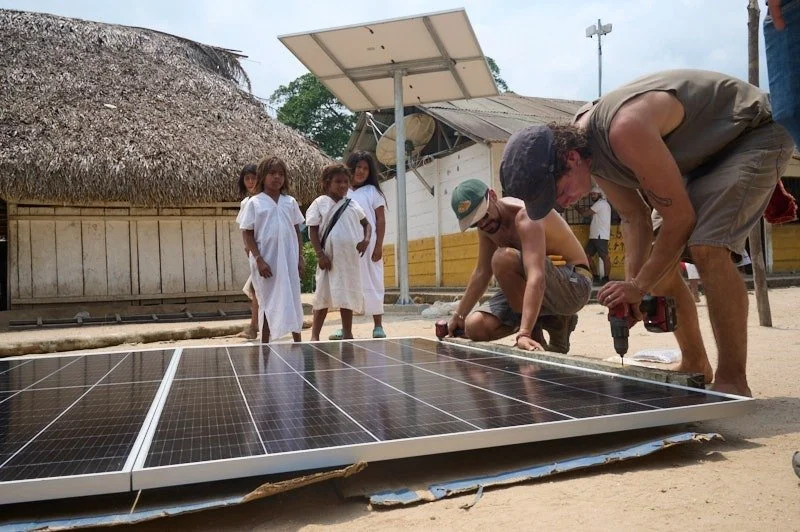
Trains a new generation of community solar technicians, generating local employment and energy autonomy
About
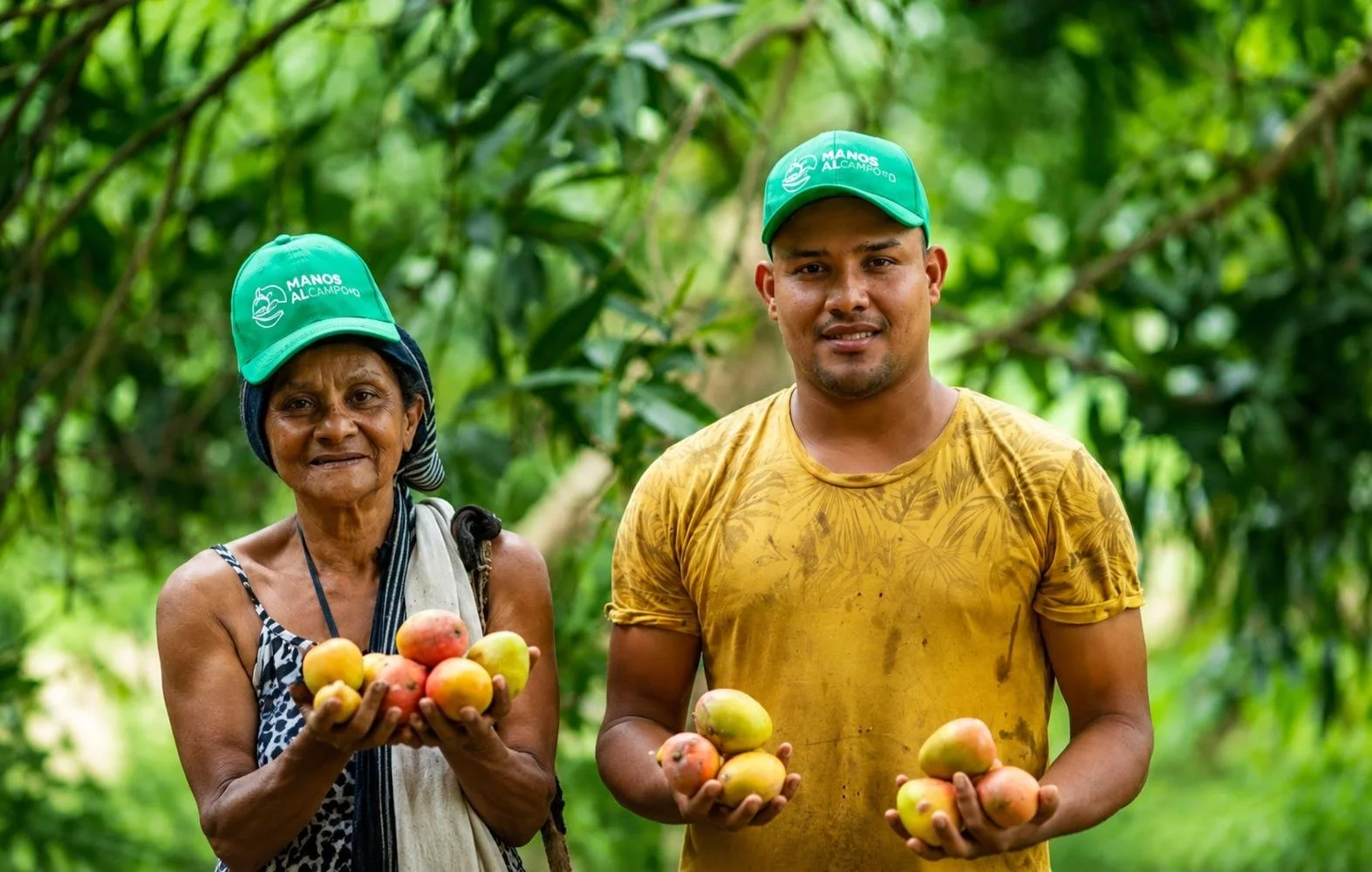
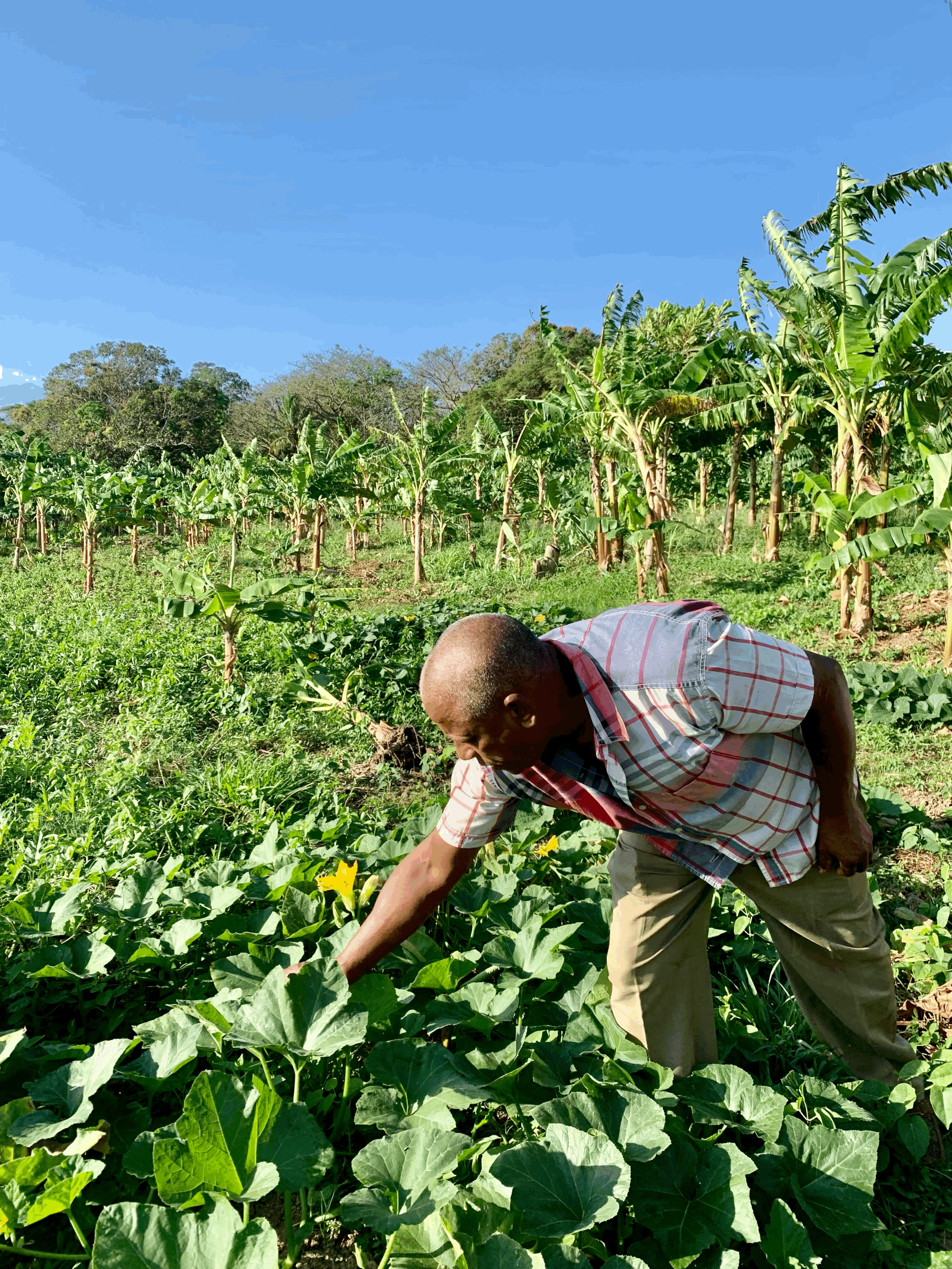
Stretching from the foothills of the Sierra Nevada de Santa Marta to Colombia’s Caribbean coast, Dibulla is a predominantly rural municipality where agriculture, fishing, and livestock sustain communities across a remarkably diverse landscape. More than 40% of residents identify as Indigenous or Afro-descendant, and crops including plantain, cassava, coconut, malanga, and papaya are central to the local agricultural economy.
Here, access to energy can mean more than electricity: it can help farming families irrigate crops, process harvests locally, and capture more of the value of what they grow.
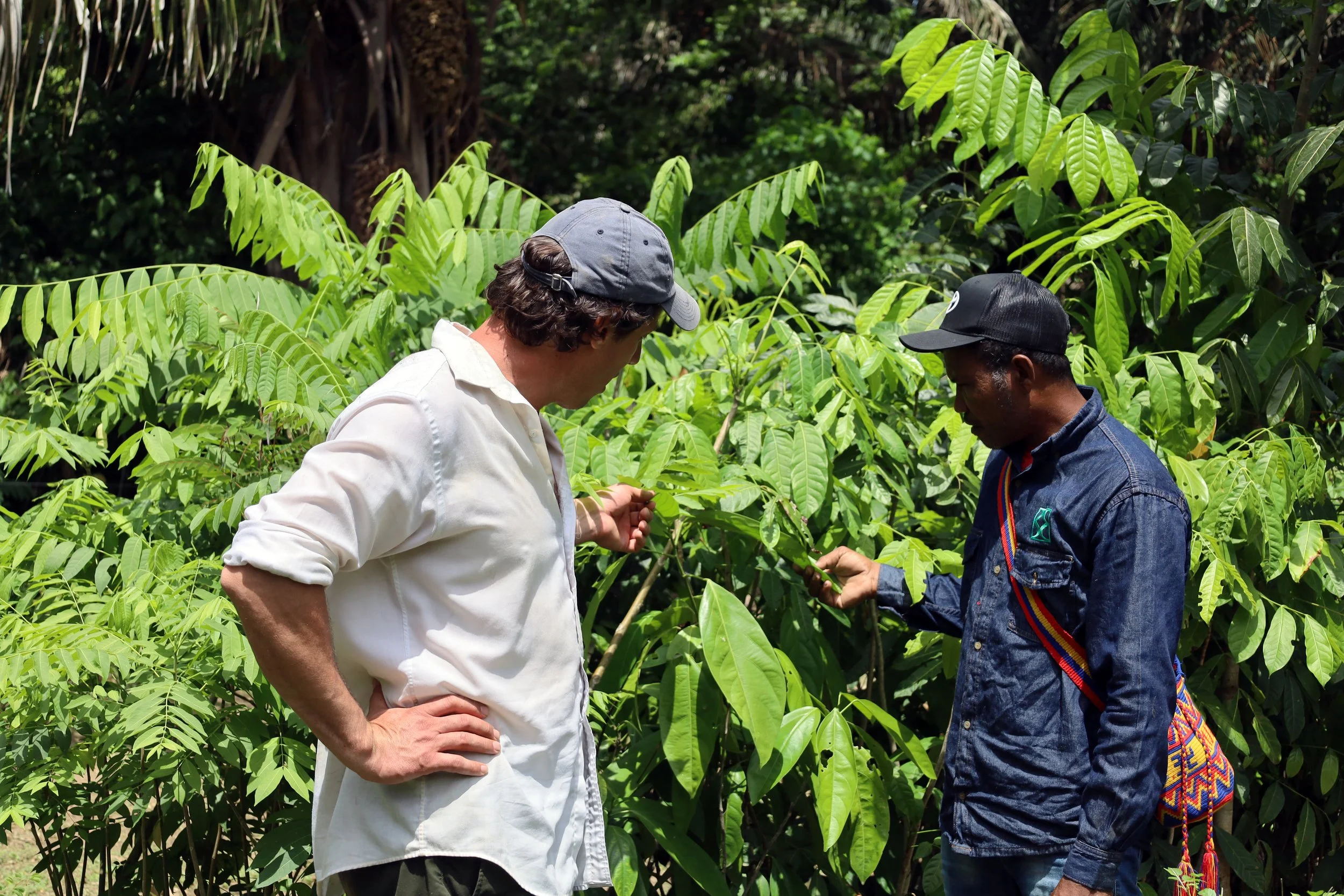
Fundación Iguaraya works alongside Indigenous, Afro-descendant, and rural communities in Dibulla to build livelihoods that strengthen both people and ecosystems. Its work brings together renewable energy, environmental restoration, sustainable agriculture, circular economy, education, and regenerative tourism—grounded in the belief that communities shouldn’t have to choose between protecting nature and building a prosperous future.
Through this integrated approach, Fundación Iguaraya strengthens local leadership while demonstrating how conservation and economic opportunity can grow together in one of Colombia’s most biodiverse regions.
“We believe communities shouldn’t have to choose between protecting nature and living with dignity. We work to create the conditions that make both possible, strengthening the ties between nature, cultural practices, and local livelihoods.”
HF Partnership
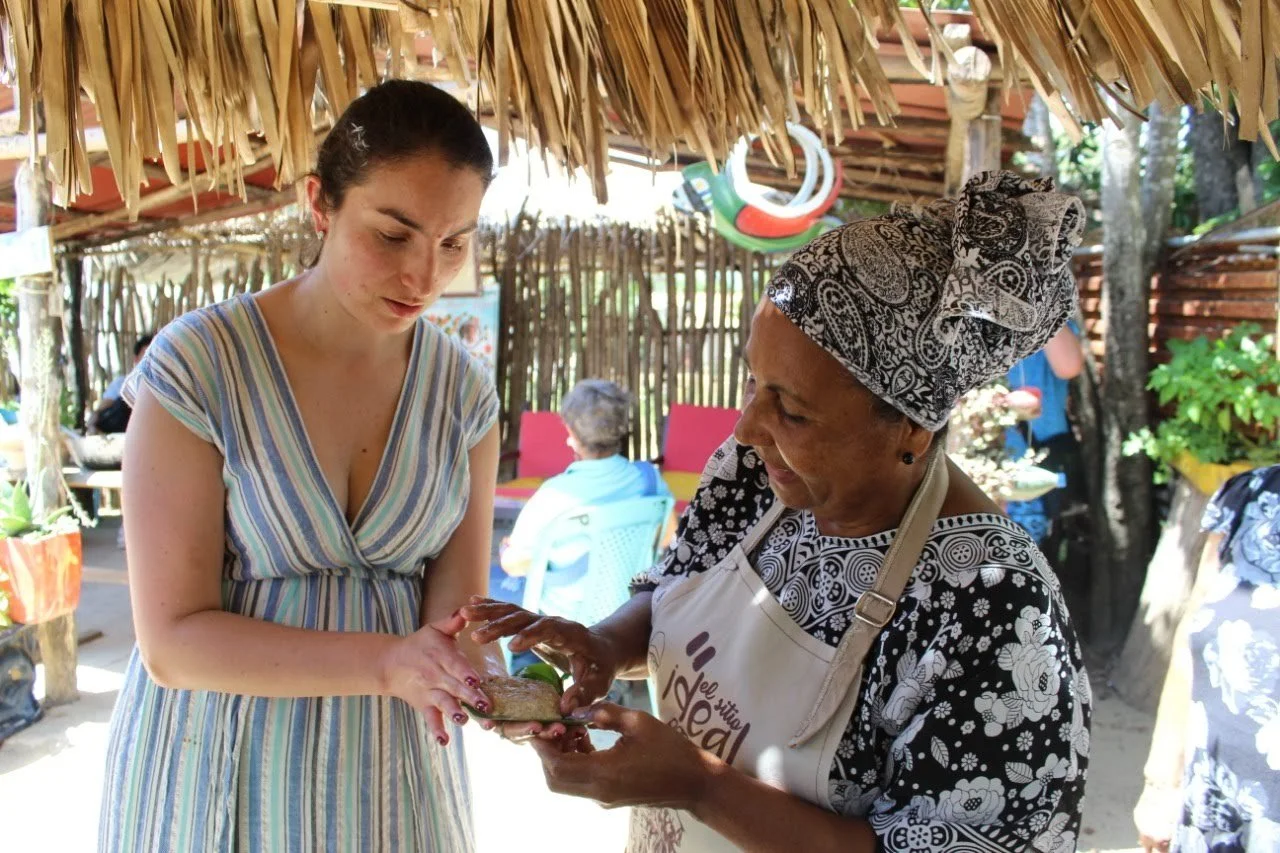
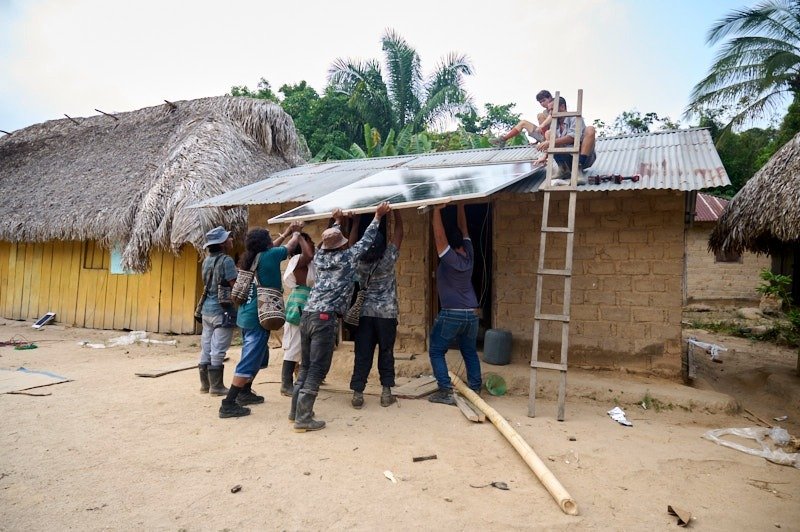
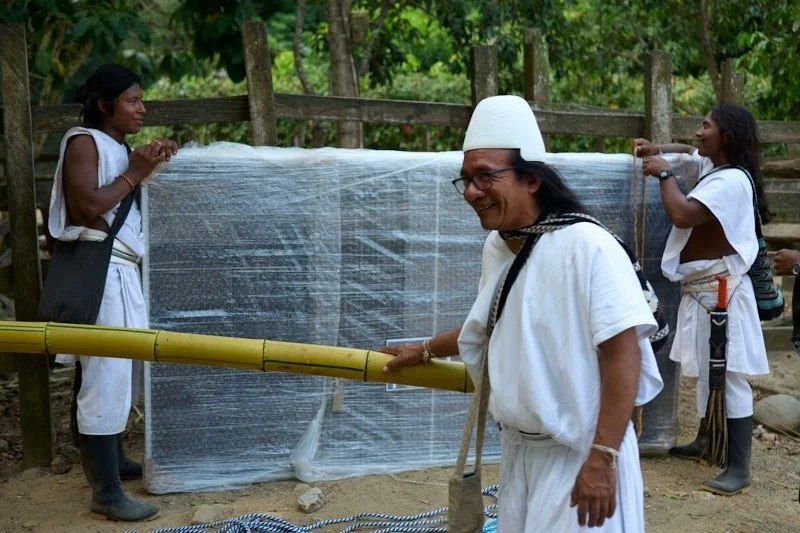
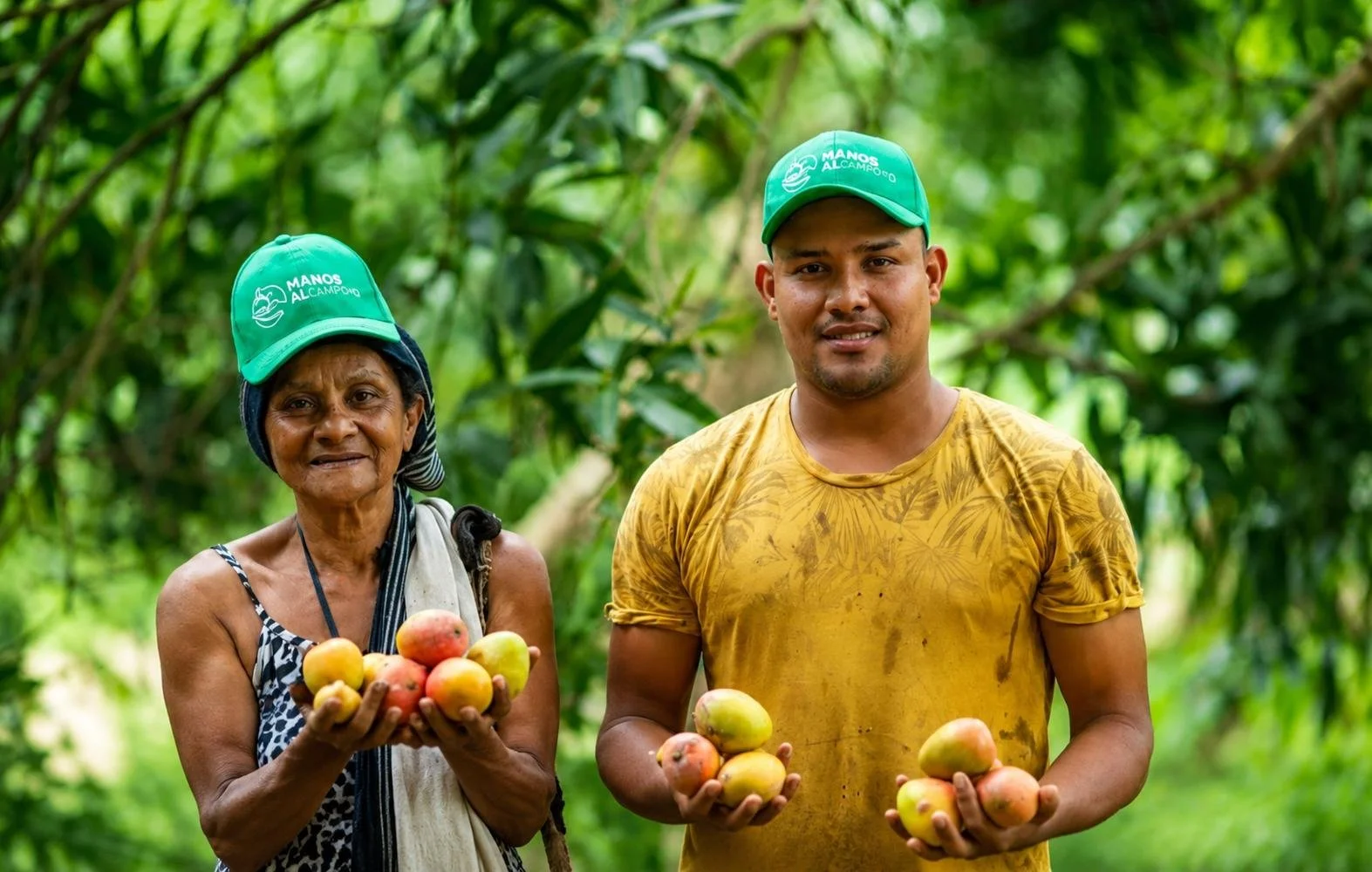
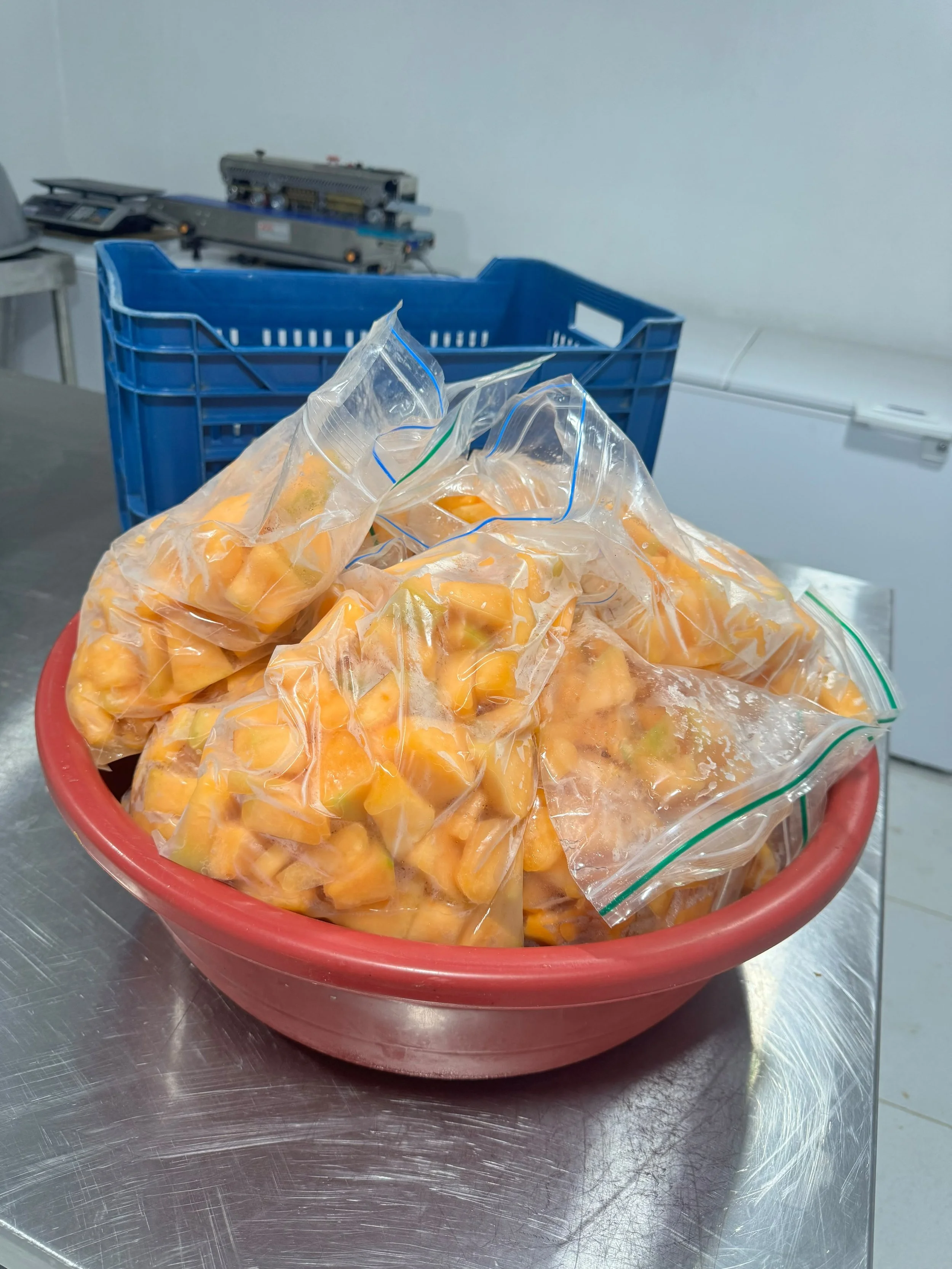
The collaboration will strengthen the energy autonomy of APRODDI Pulpa, an association made up of 27 Afro-descendant and Indigenous fruit-producing families in Dibulla, La Guajira. A solar system will be installed to power the community fruit-processing plant and a network of 27 solar irrigation systems, reducing dependence on an unstable electrical grid and fossil fuels. The renewable energy will help maintain the cold chain, reduce post-harvest losses, transform local fruit into higher-value products, and improve the stability of producing families' incomes.
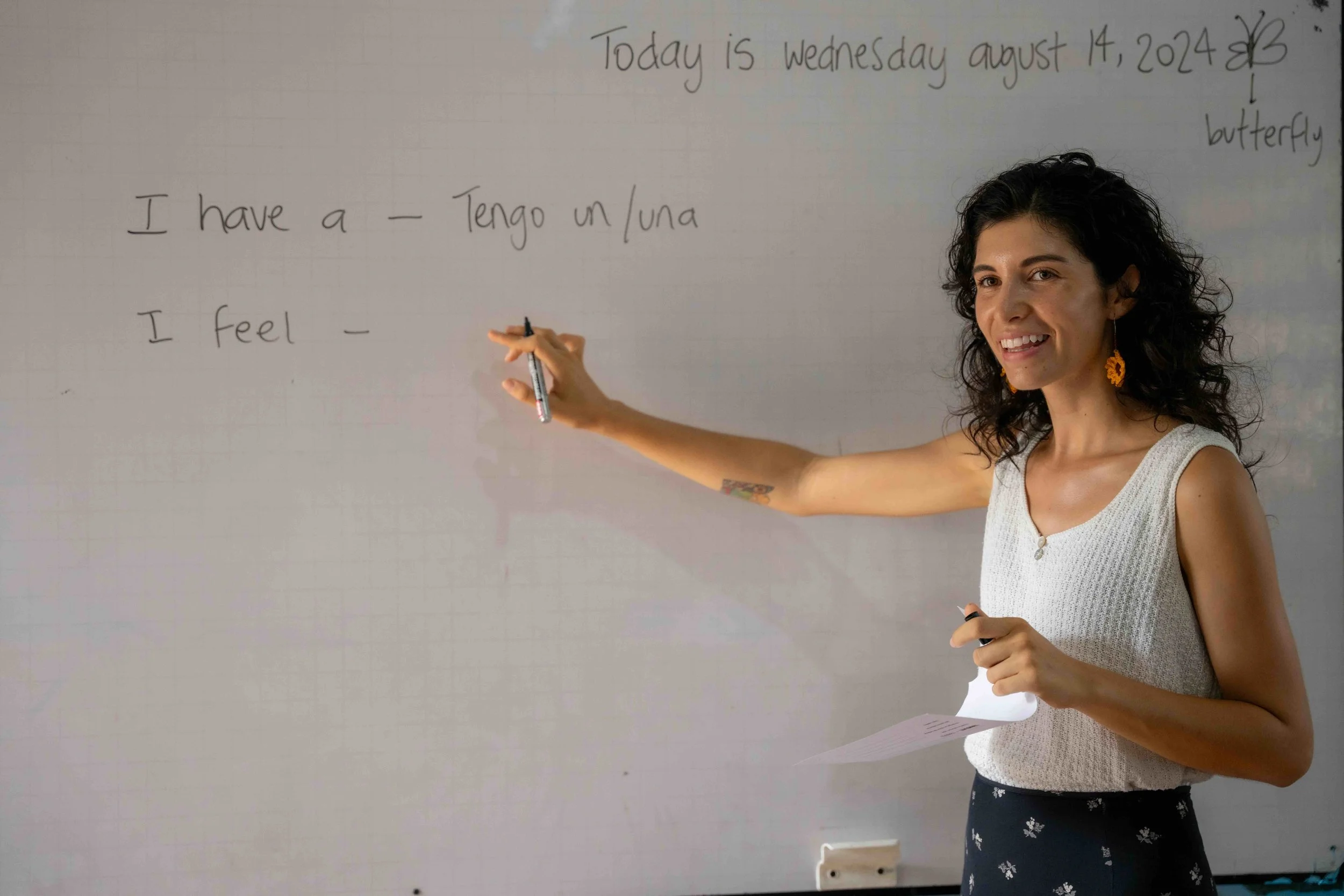
All farmers will receive training in the operation and basic maintenance of their solar systems, while a group of young people will form the "El Sparky" Community Technicians Seedbed, strengthening local capacity for managing and maintaining the energy infrastructure. The association will administer a community maintenance fund to ensure the technical and financial sustainability of the systems over the long term, promoting a model of local governance and community ownership. Through this collaboration, the partnership aims to demonstrate how access to clean energy can simultaneously strengthen climate resilience, food security, local capacity, and economic opportunity for rural communities that depend directly on natural resources.
In the News