Impact Spotlight
Deploying 100 portable solar power stations to provide clean energy for 100 off-grid families in Damé, Haiti
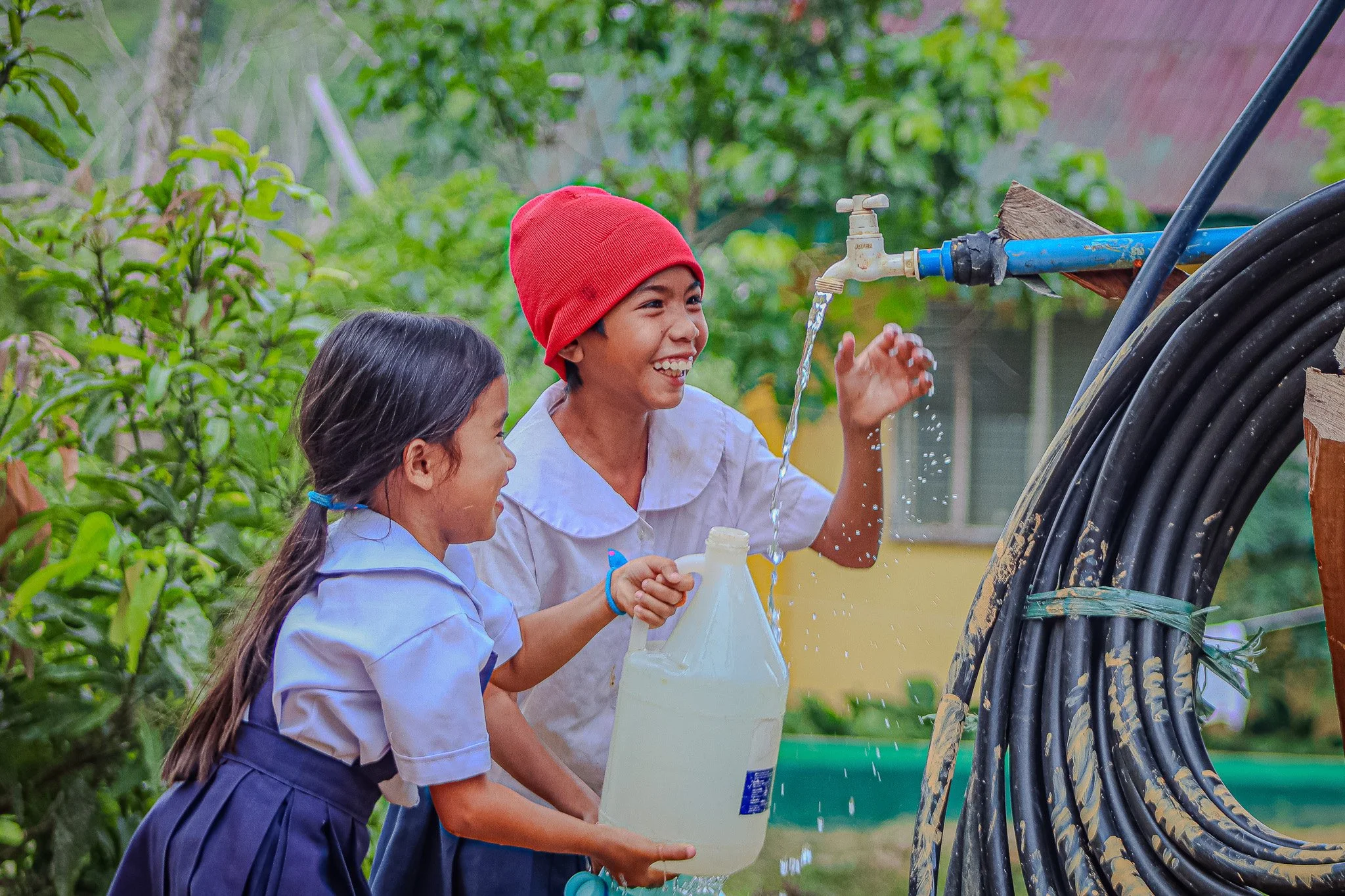
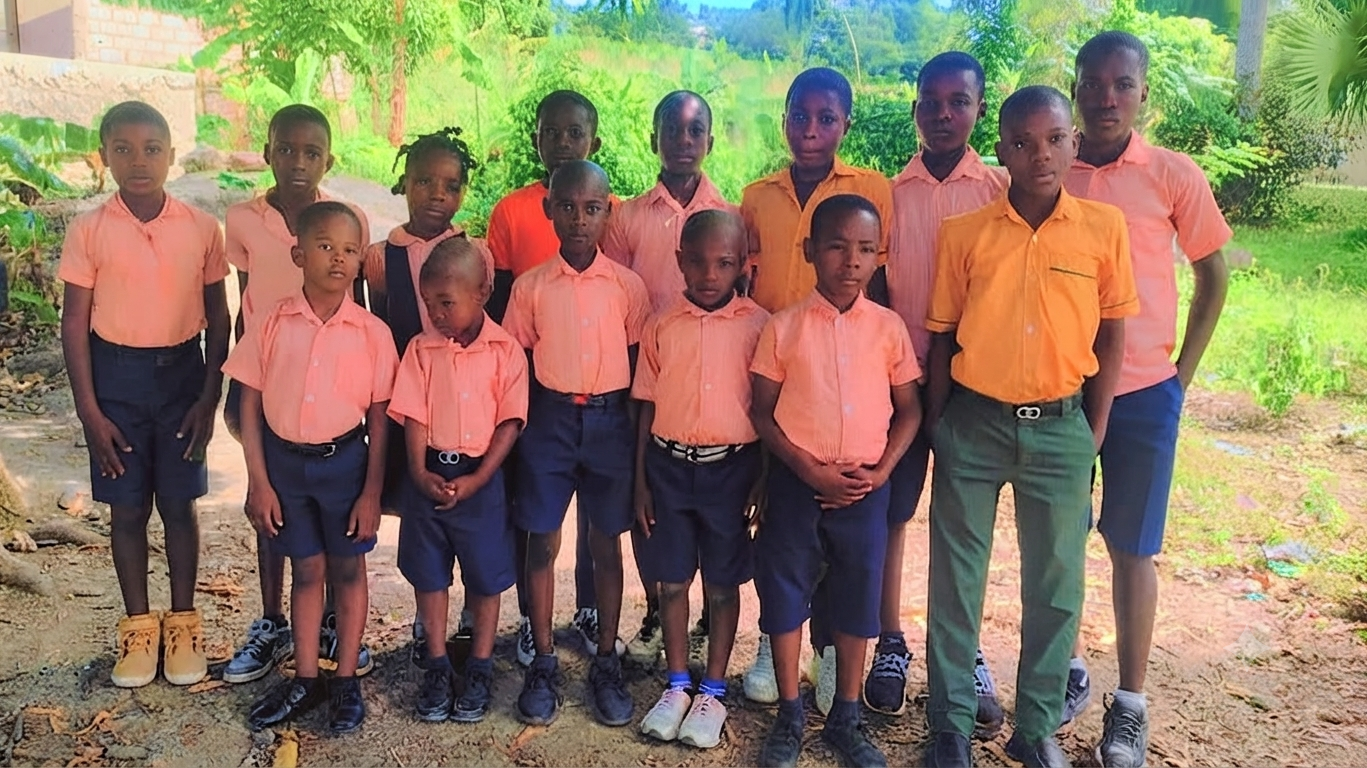
Empowering 300 students to study safely at home at night, replacing toxic kerosene lamps with solar power
Establishing a community Energy Committee with 50% women in leadership to maintain solar equipment for école families
About
In rural northwest Haiti, reliable electricity remains out of reach for many households. Haiti’s national grid reaches only part of the population, with access particularly limited in rural areas.
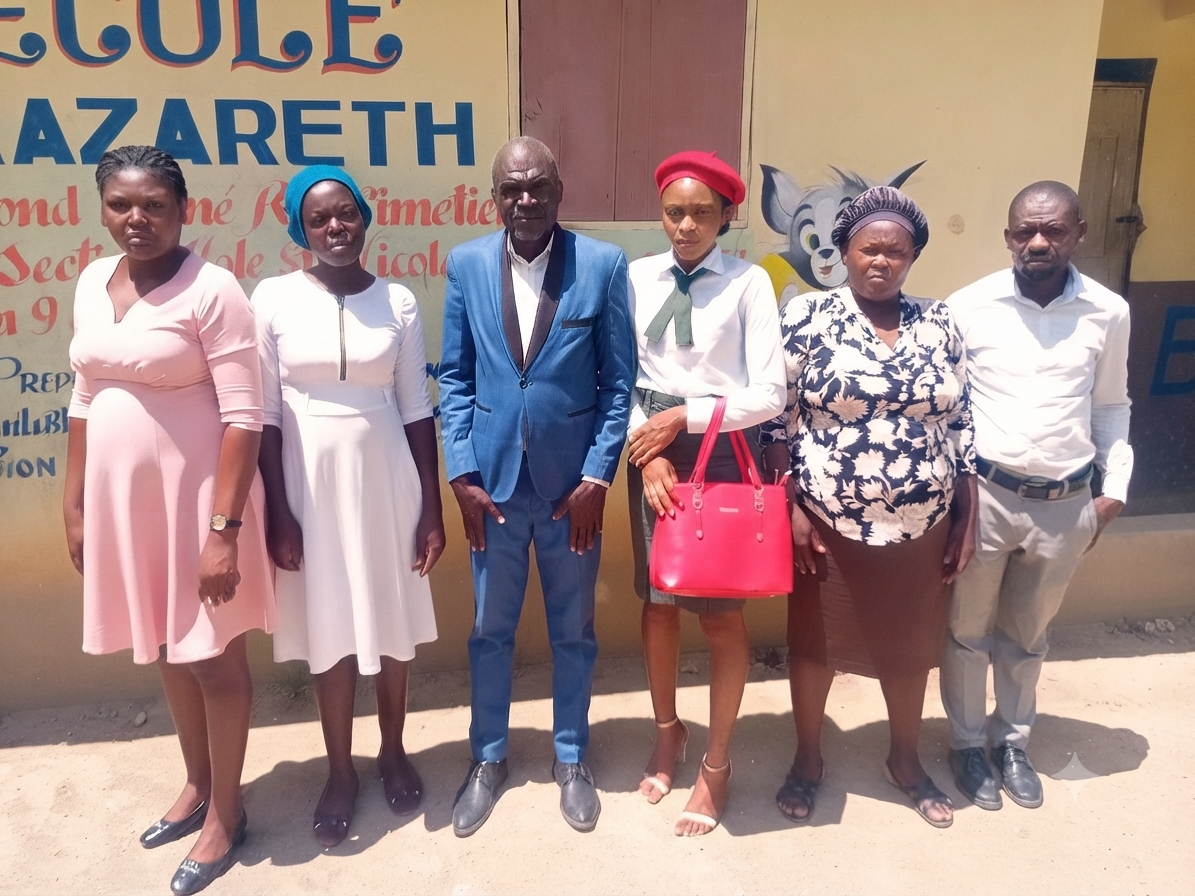
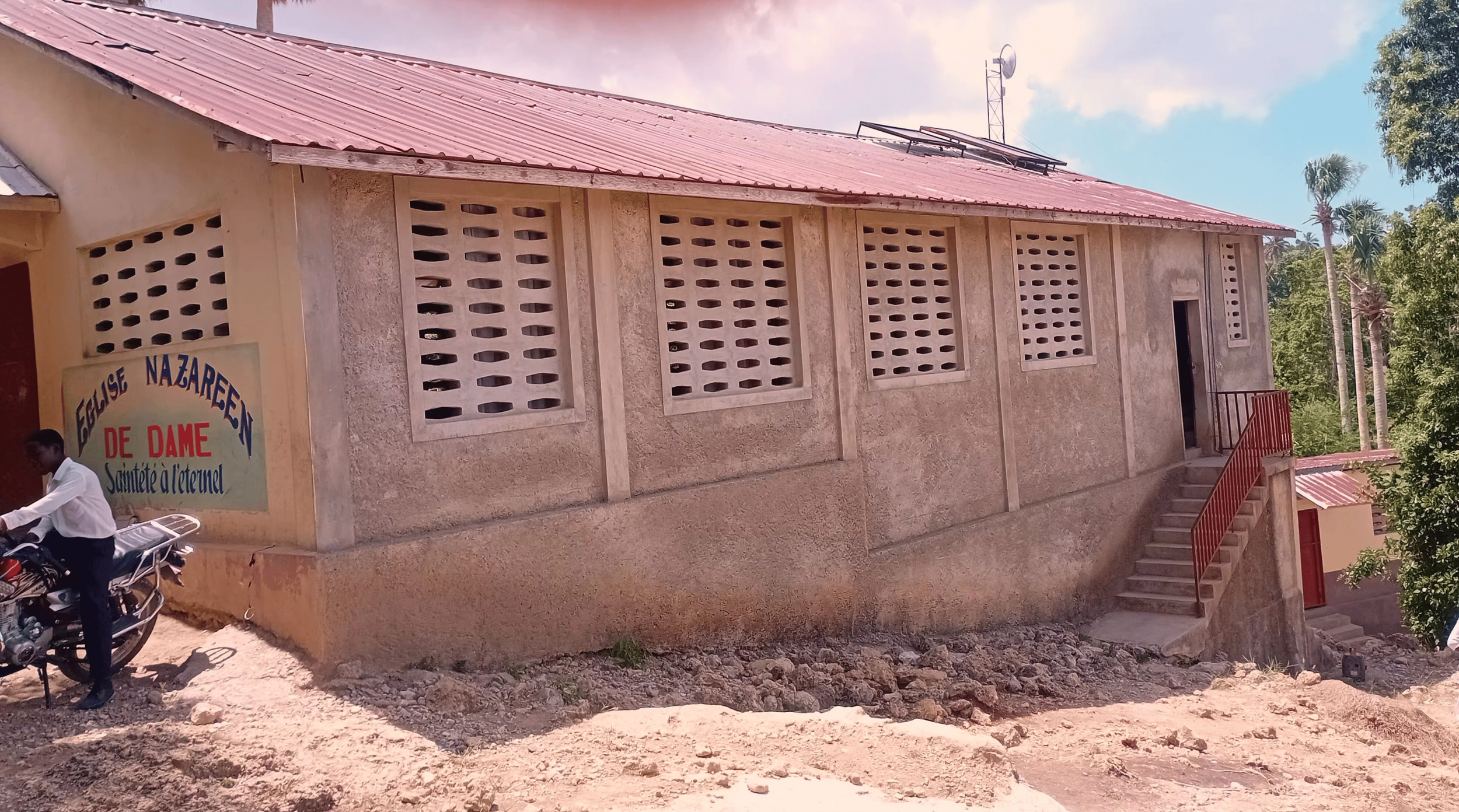
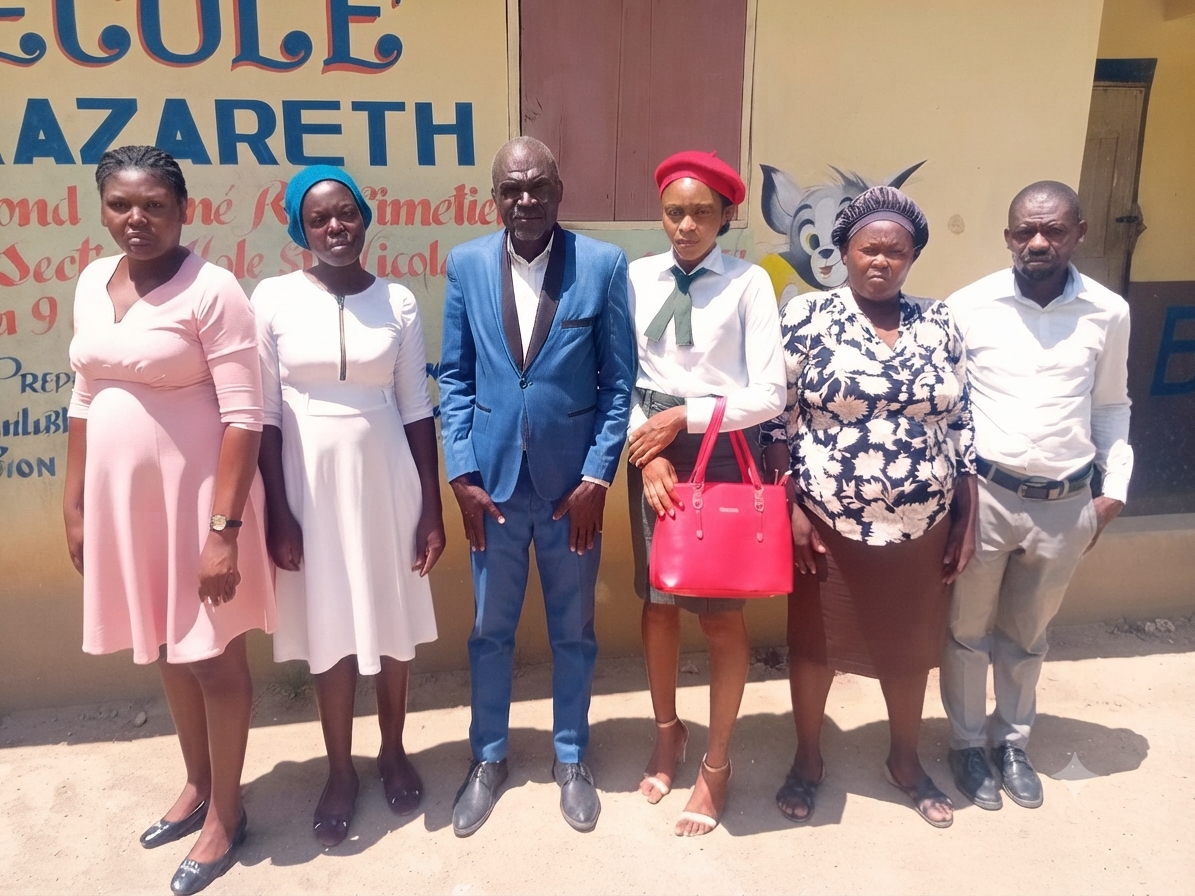
Église du Nazaréen de Damé is a community-led church in Damé, a rural off-grid community in northwest Haiti. Ultimately, the organization serves as a vital social hub dedicated to local development, education, and humanitarian relief, including managing École Nazareth de Fond Damé, which provides education and a school canteen program for 300 children while supporting broader community initiatives focused on resilience and self-reliance.
“Bringing solar light to Damé is more than providing electricity—it is about restoring hope, health, and dignity to our families. When our children can study safely at night without toxic kerosene smoke, we are illuminating the pathway out of poverty and building a sustainable future through community unity.”
HF Partnership
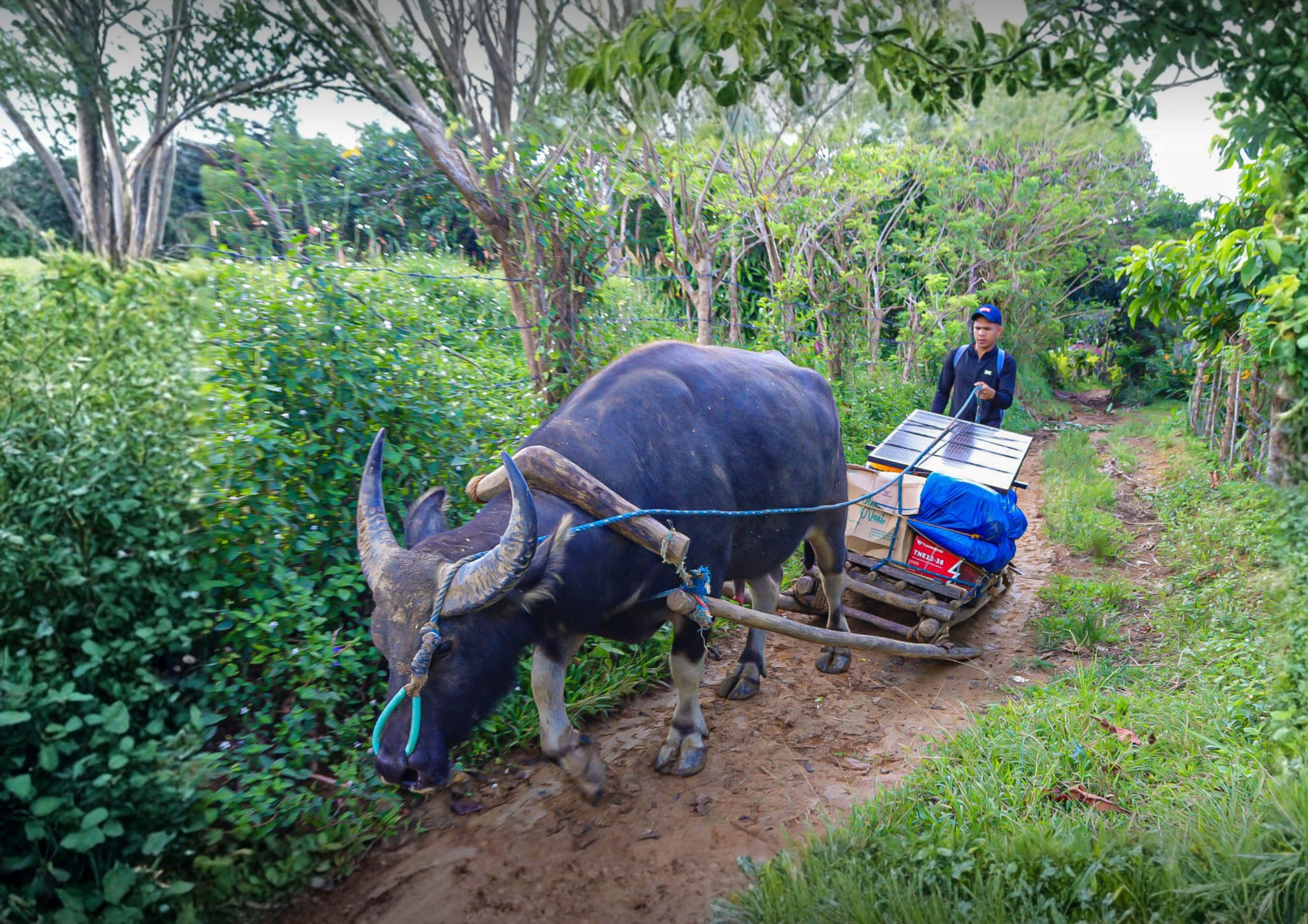
Through this partnership with the Honnold Foundation, Église du Nazaréen de Damé will deploy 100 portable solar power stations and 100W solar panels to off-grid households in Damé, replacing dangerous, costly kerosene lamps with clean, reliable solar power. The primary beneficiaries are 100 families, prioritizing children attending the local school, where the solar units will allow 300 students to complete homework safely after dark, eliminate household fire risks, improve indoor air quality, and save families money previously spent on phone charging and fuel.
To keep the systems locally managed, the community will establish an Energy Committee with 50% women’s representation, train local youth in basic technical support, and create a community-managed maintenance fund supported by participating households. Together, these systems will connect household energy access with education, local leadership, and long-term community resilience.
In the News