Impact Spotlight
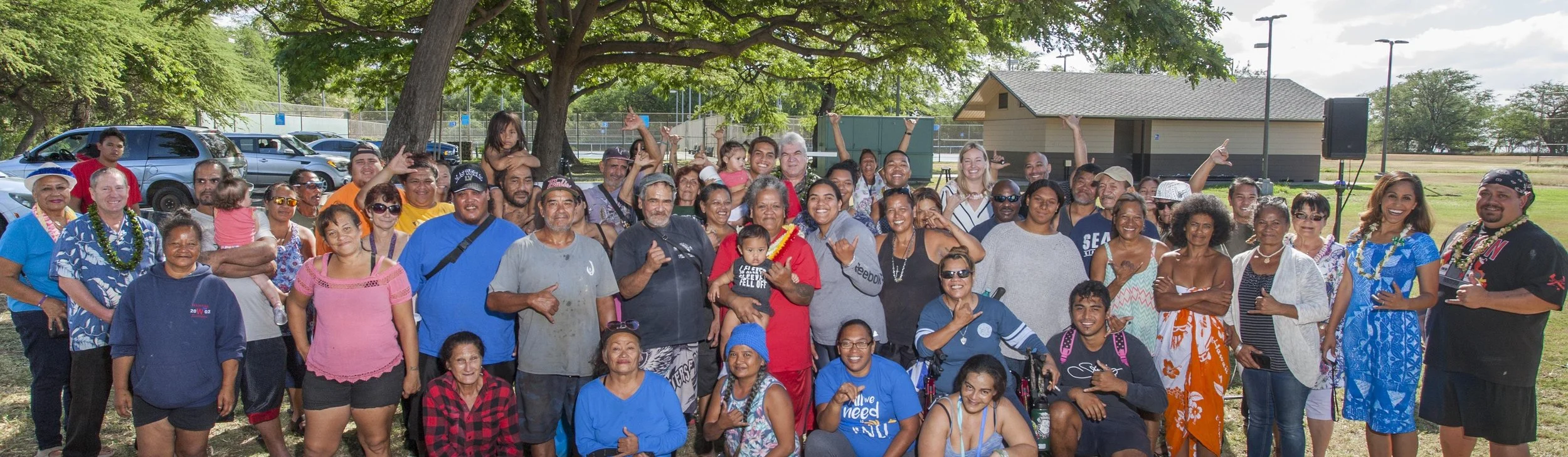
Provides permanent homes for 200 individuals formerly experiencing houselessness
Delivers electricity, internet, kitchens, laundry, and restroom access for village residents
Strengthens food security through a grocery store and agricultural operation for Puʻuhonua O Waiʻanae village
About
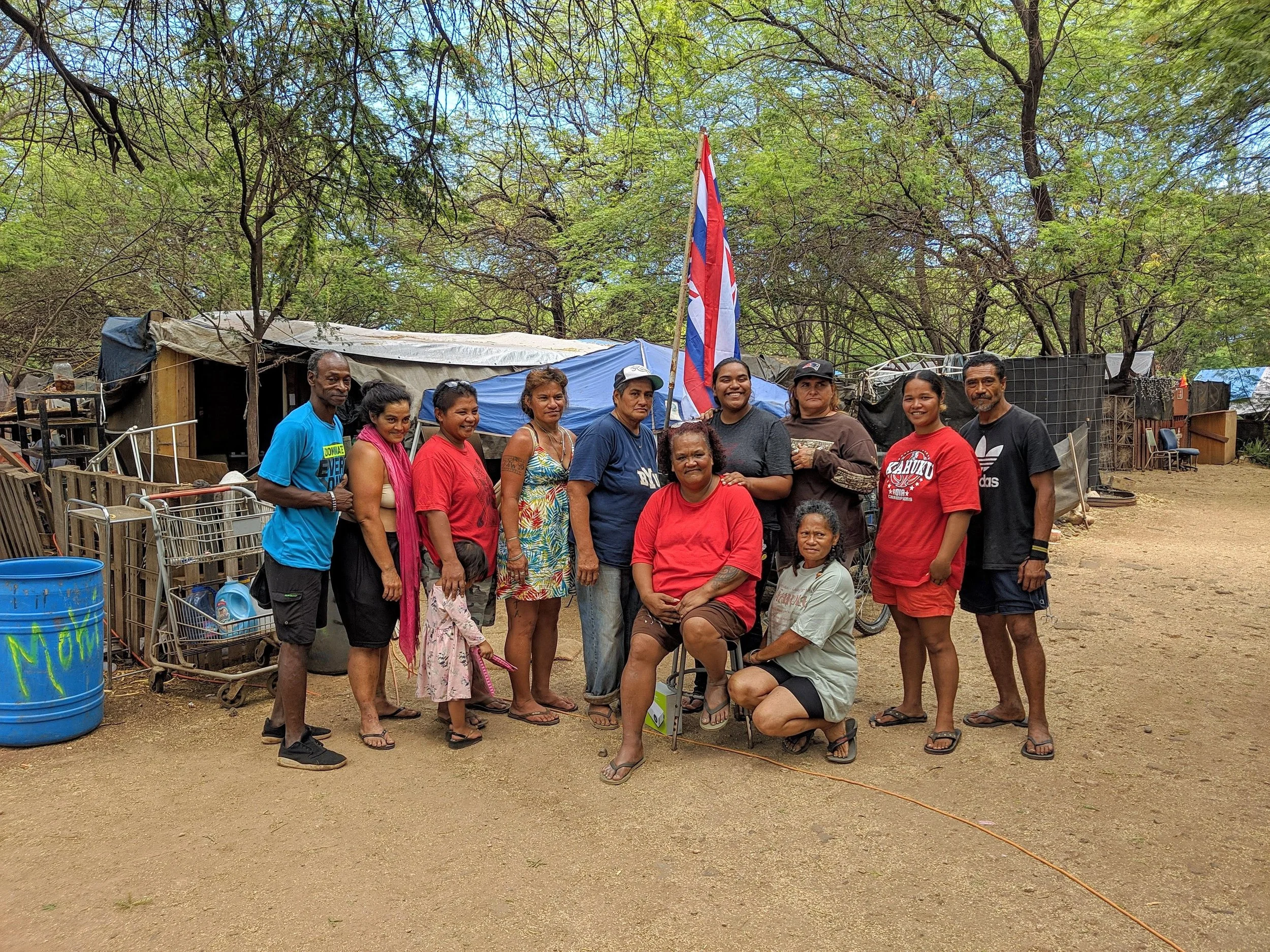
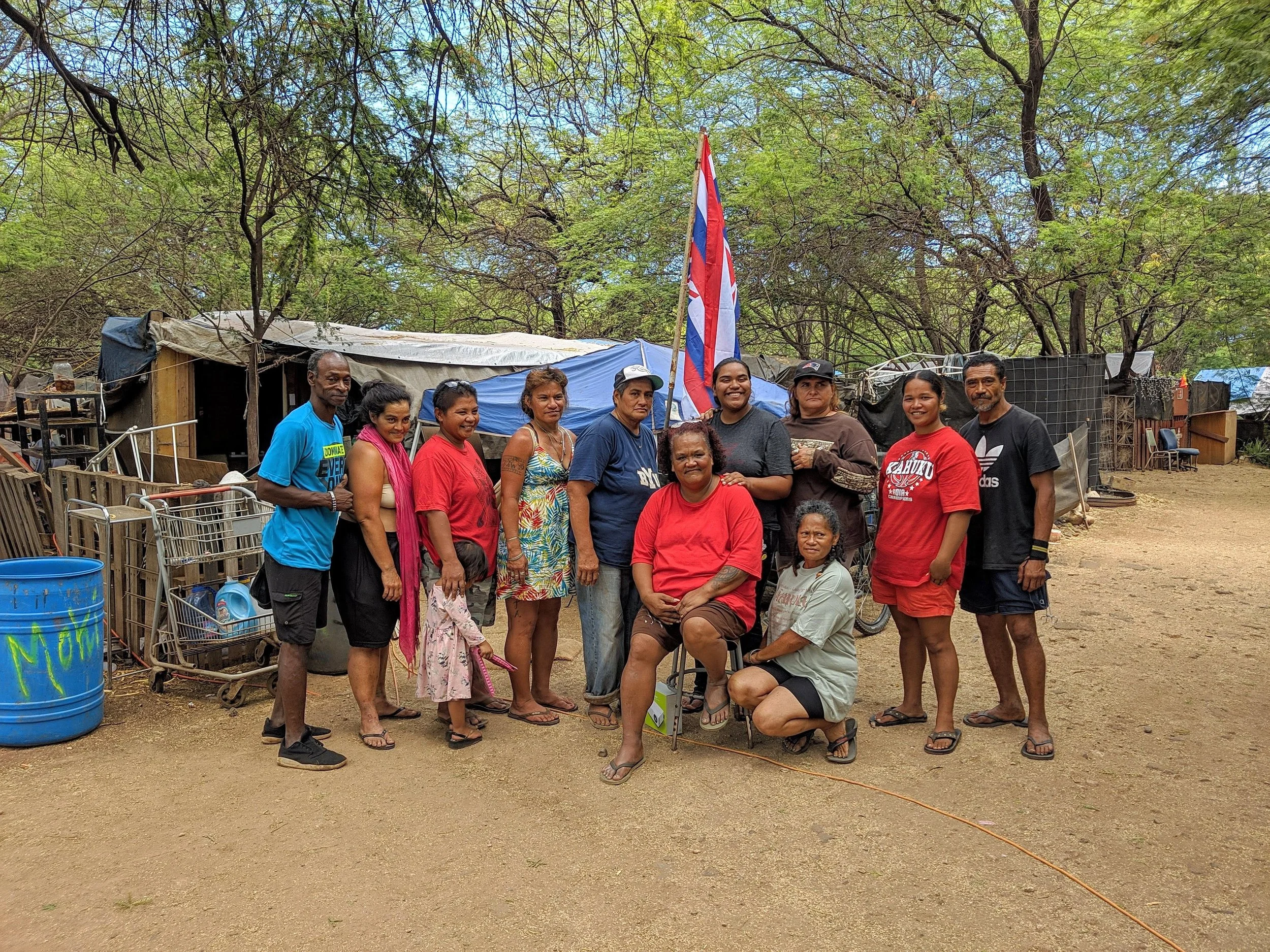
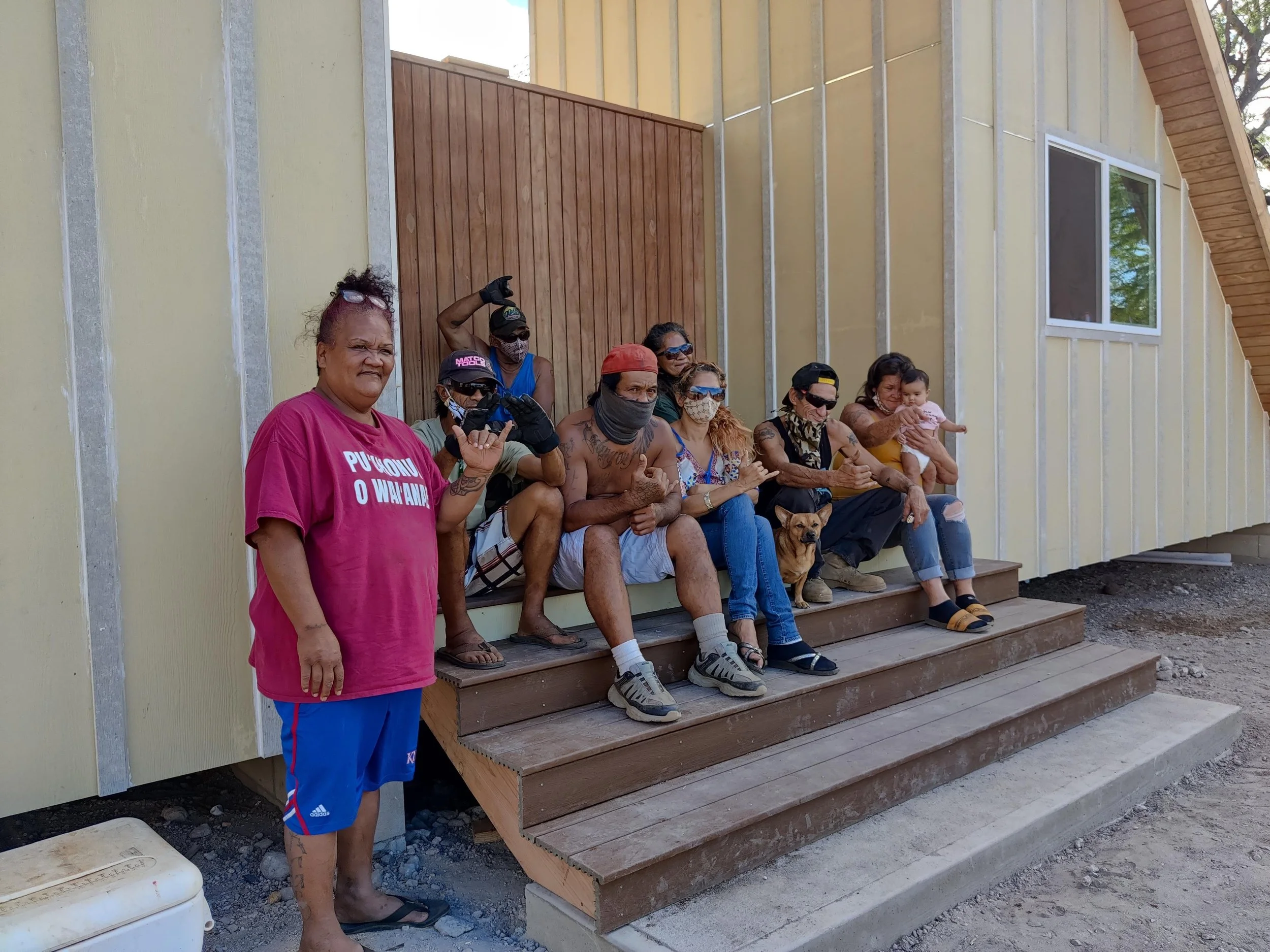
Dynamic Community Solutions (DCS) is a community-based, 501(c)(3) nonprofit organization that promotes sustainable community solutions combining modern technologies and traditional Hawaiian practices, to help communities combat the rising cost of living. DCS was formed by Native Hawaiian residents and community members from Puʻuhonua O Waiʻanae Makai, a self-organized village that came together 20 years ago on public land at Waiʻanae Boat Harbor and has grown to 200 people experiencing houselessness. DCS's goal is to build the Puʻuhonua O Waiʻanae Mauka Farming Village, a permanent home for members of the Makai Village.
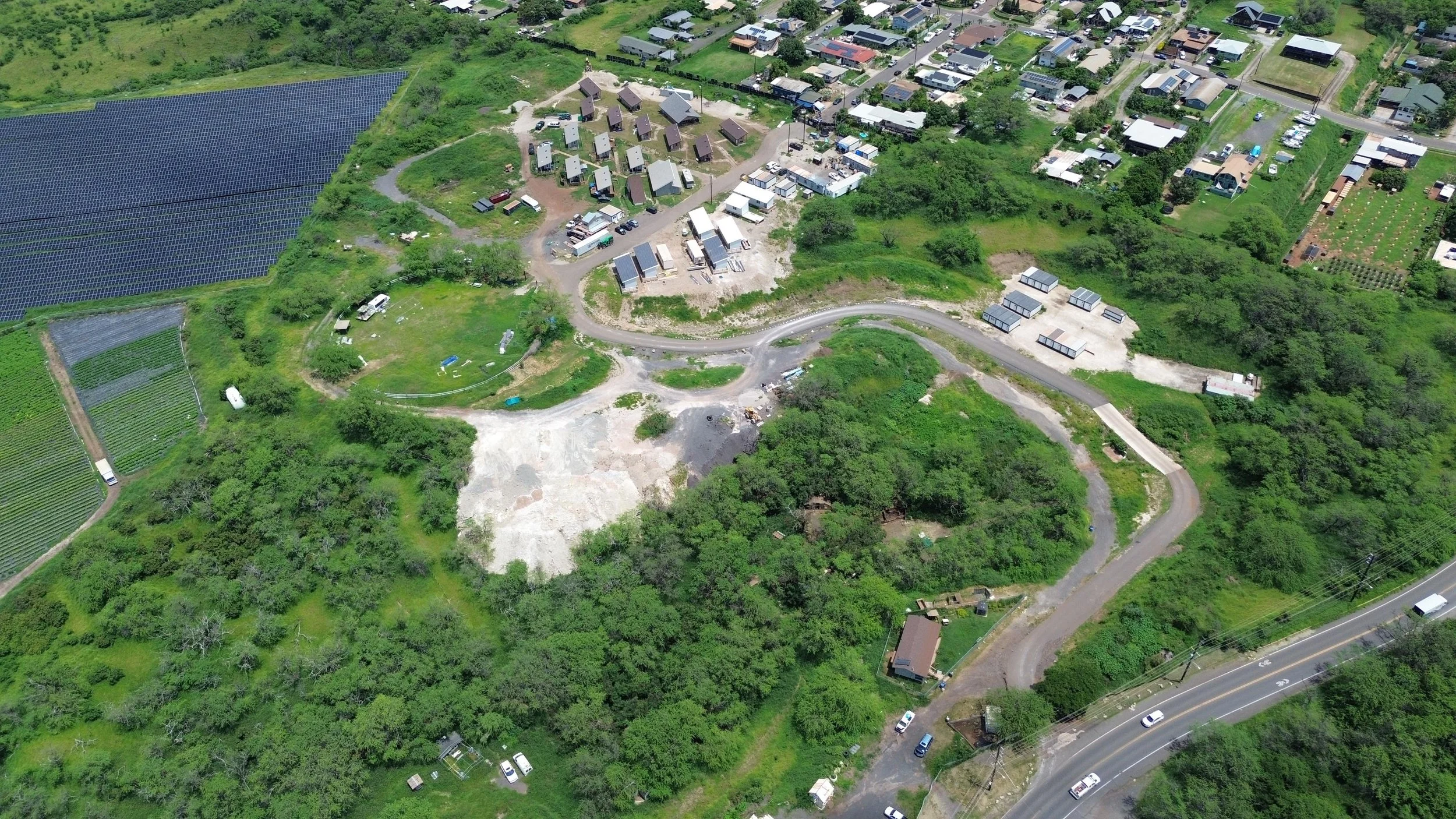
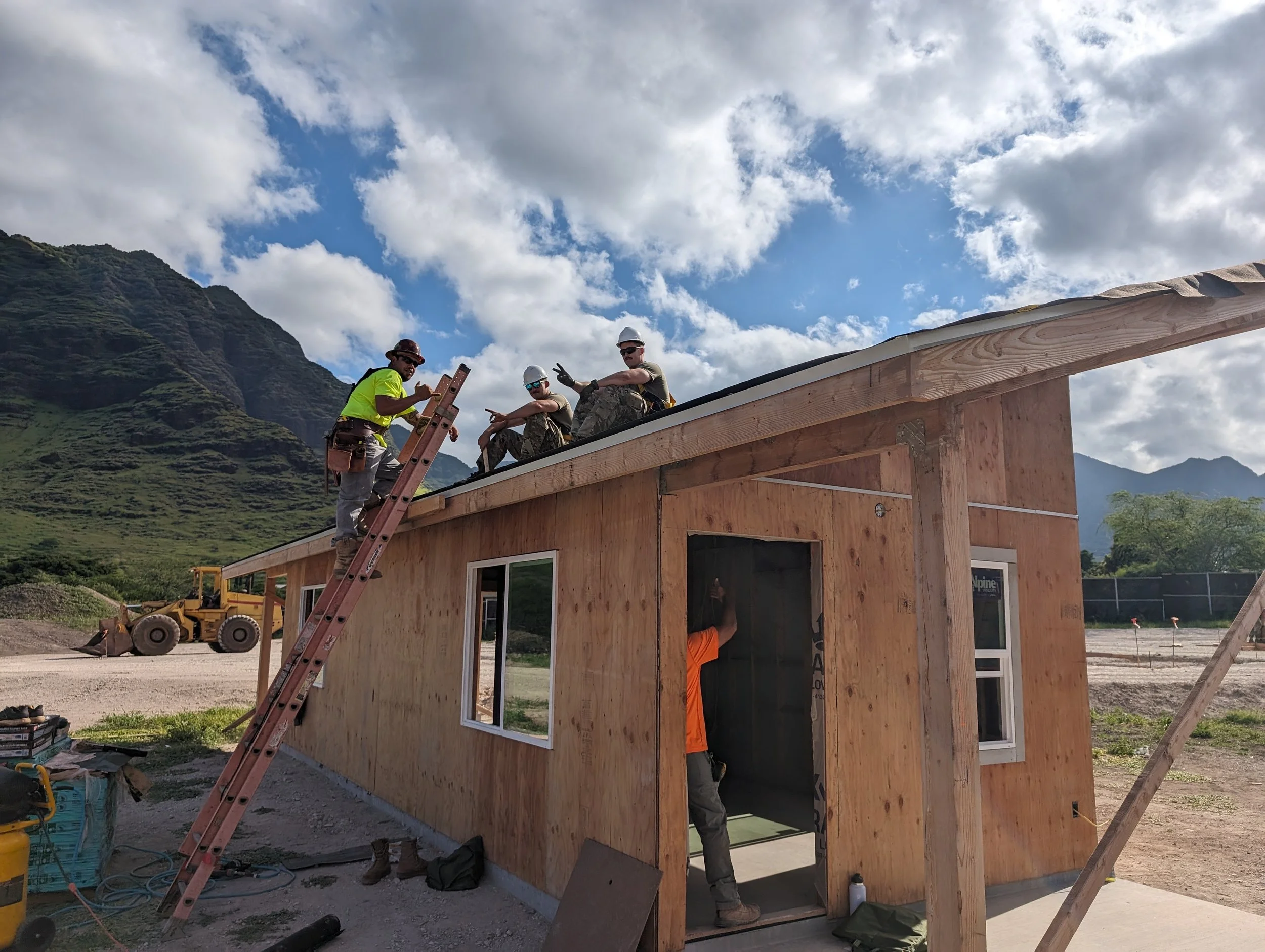
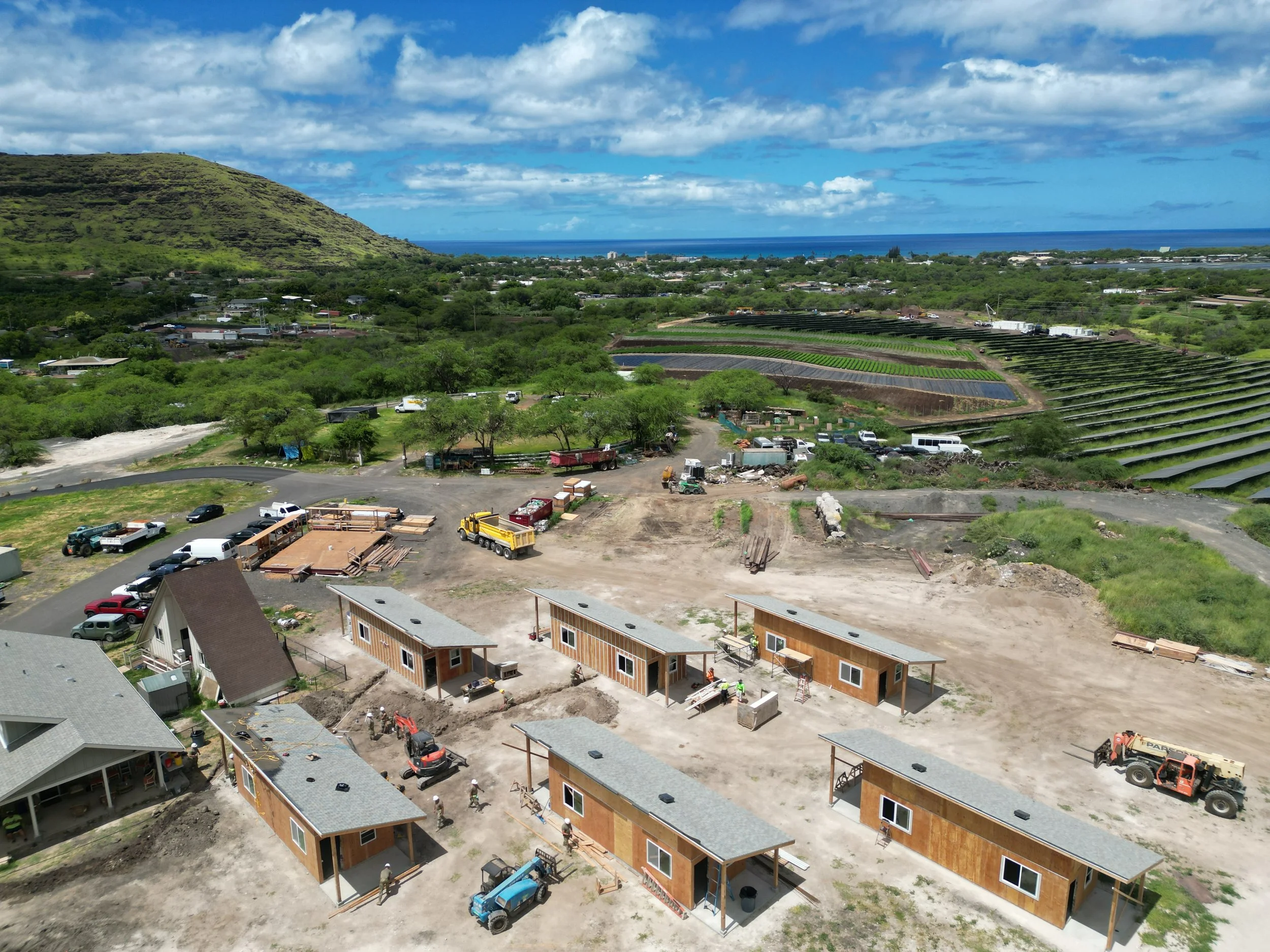
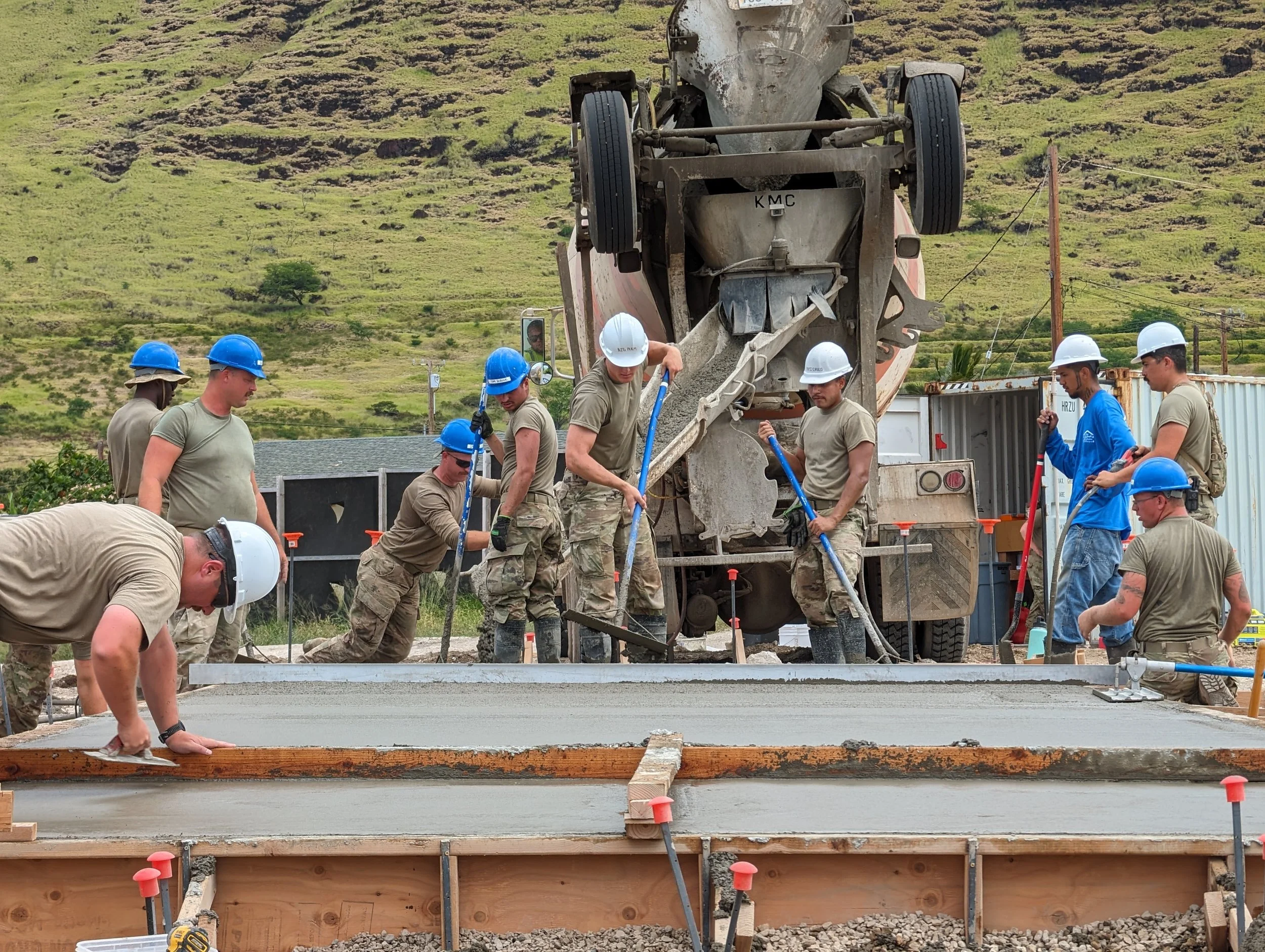
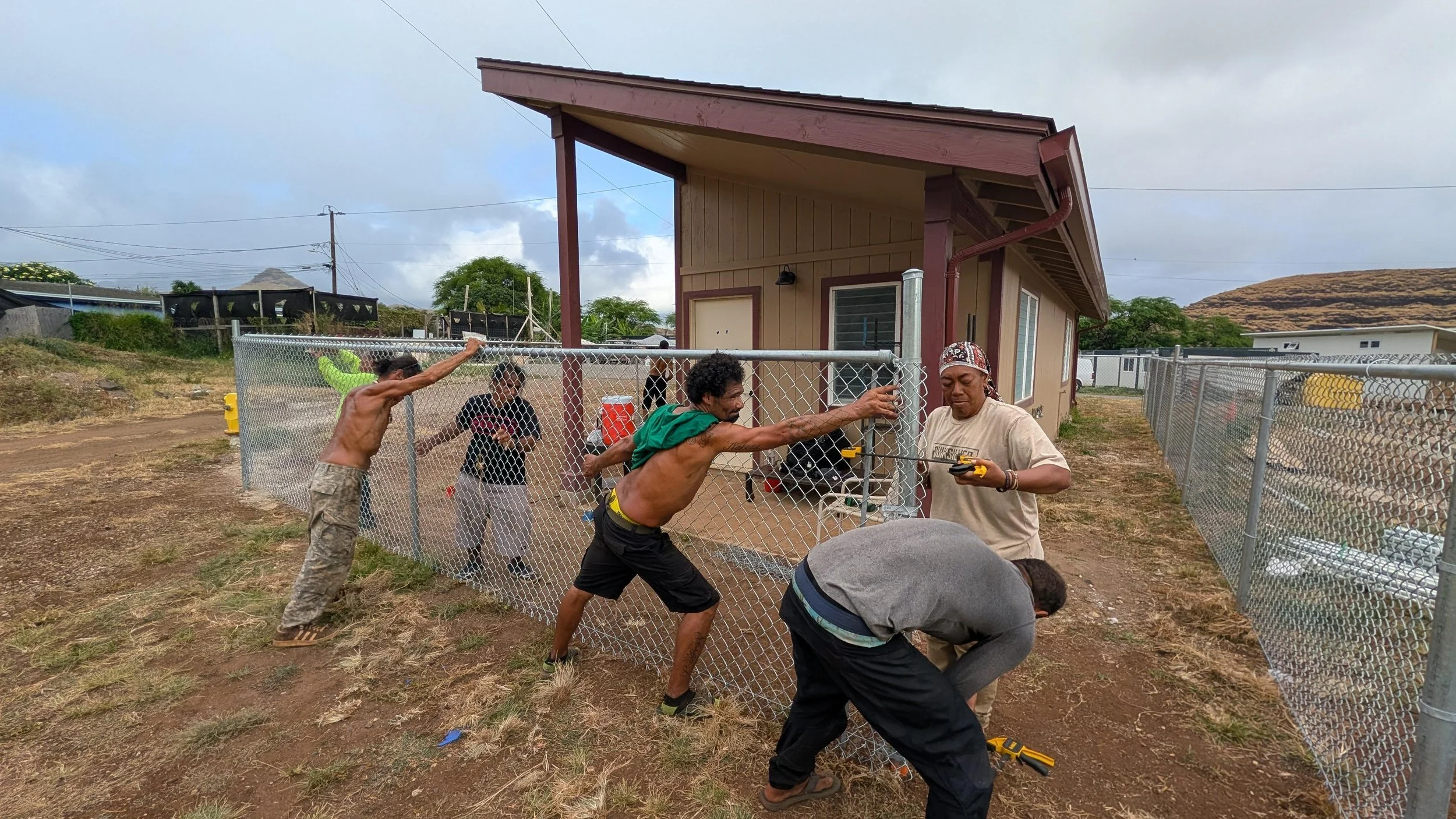
In 2020, DCS purchased 19.5 acres in the Waiʻanae Valley to serve as the future site for the village. Conceived and designed by the community with professional support around residents' demonstrated ability to live as a village, the full development plan includes 122 tiny homes called "Hale," shared dining and kitchen buildings called "Hale Aina," a farming operation, agricultural center, and grocery store, and a large meeting hall for events and food enterprises. Puʻuhonua O Waiʻanae is a direct response to Hawaiʻi's housing crisis, with an immediate and lasting impact on individuals and families through access to affordable housing as well as increased food security and economic opportunity.
“Hawaiʻi is the most oil-dependent state in the nation — we pay for it at the pump and in our energy bills. Dynamic Community Solutions is committed to reducing the cost of living so our community members stay in homes, not tents.”
HF Partnership
Support from the Honnold Foundation will play a vital role in the community's vision for an environmentally and economically sustainable village, providing a renewable energy source to help power the village's tiny homes, shared living facilities, and grocery store. The solar installation will directly support the stability of 200 village residents who will share in decreased utility costs, reinforcing a model of community development centered on Indigenous values of aloha ʻāina (love of land and people), collective care, and self-determination.
The system is projected to support all of the village's phase-one energy needs, reducing shared annual electricity costs by approximately $22,000, savings that will be shared among all village residents and grow as the solar system expands, allowing DCS to keep rents affordable while building transferable installation and maintenance skills among resident participants.
The system will also offset approximately 62,945 kWh of petroleum-generated electricity annually, meaningfully reducing the village's carbon footprint. For a community that bears disproportionate environmental burdens from Hawaiʻi's fossil fuel-dependent grid, including poor air quality and heightened climate vulnerability, this transition to on-site renewable energy is a direct environmental justice outcome, and positions Puʻuhonua O Waiʻanae as a replicable model for other Indigenous and low-income communities in Hawaiʻi seeking to combine affordable housing with sustainable energy.
In the News