Impact Spotlight
Protects the income of 235 fishing families with eight solar freezers, preventing losses of up to $294 USD per storage unit each week
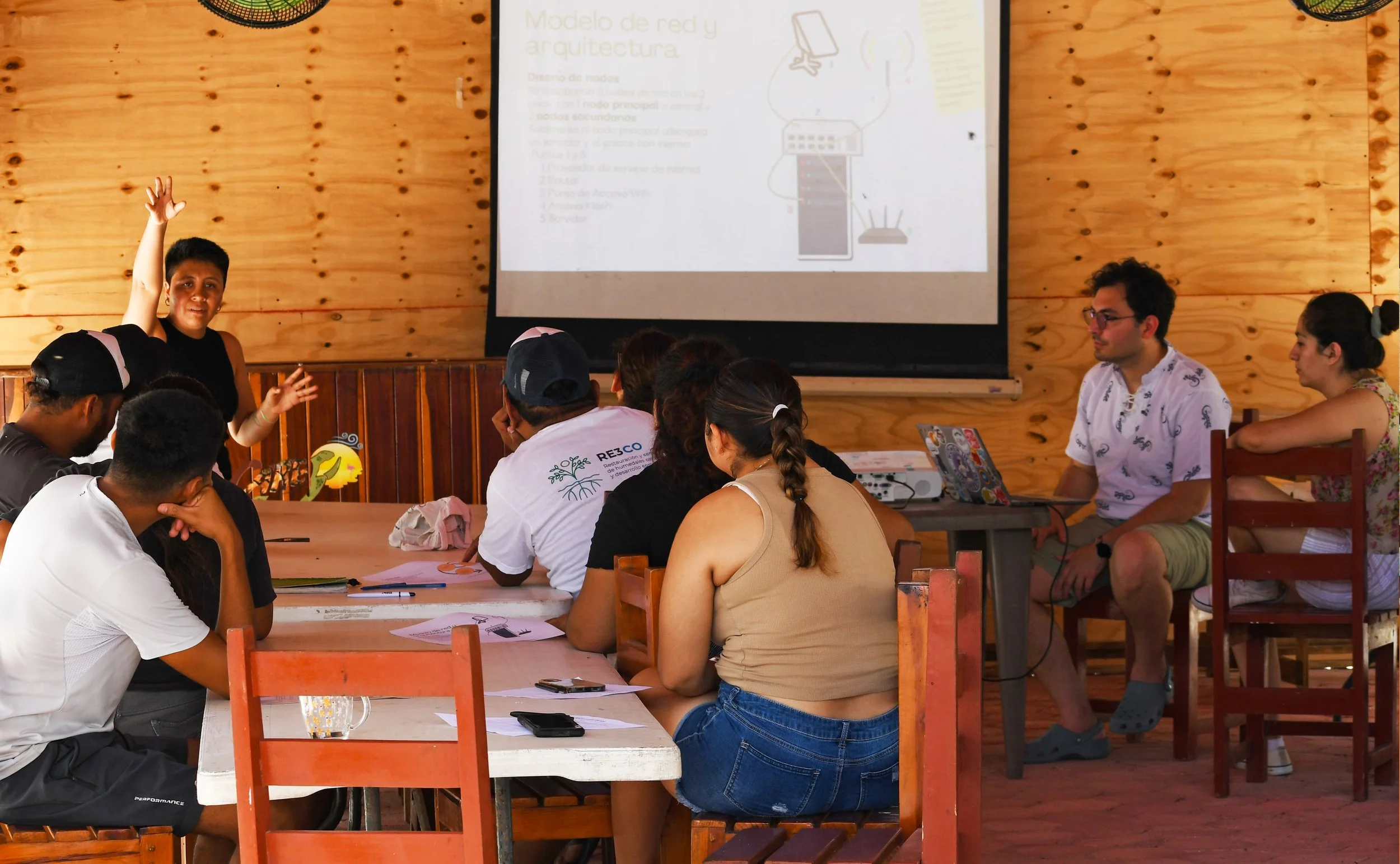
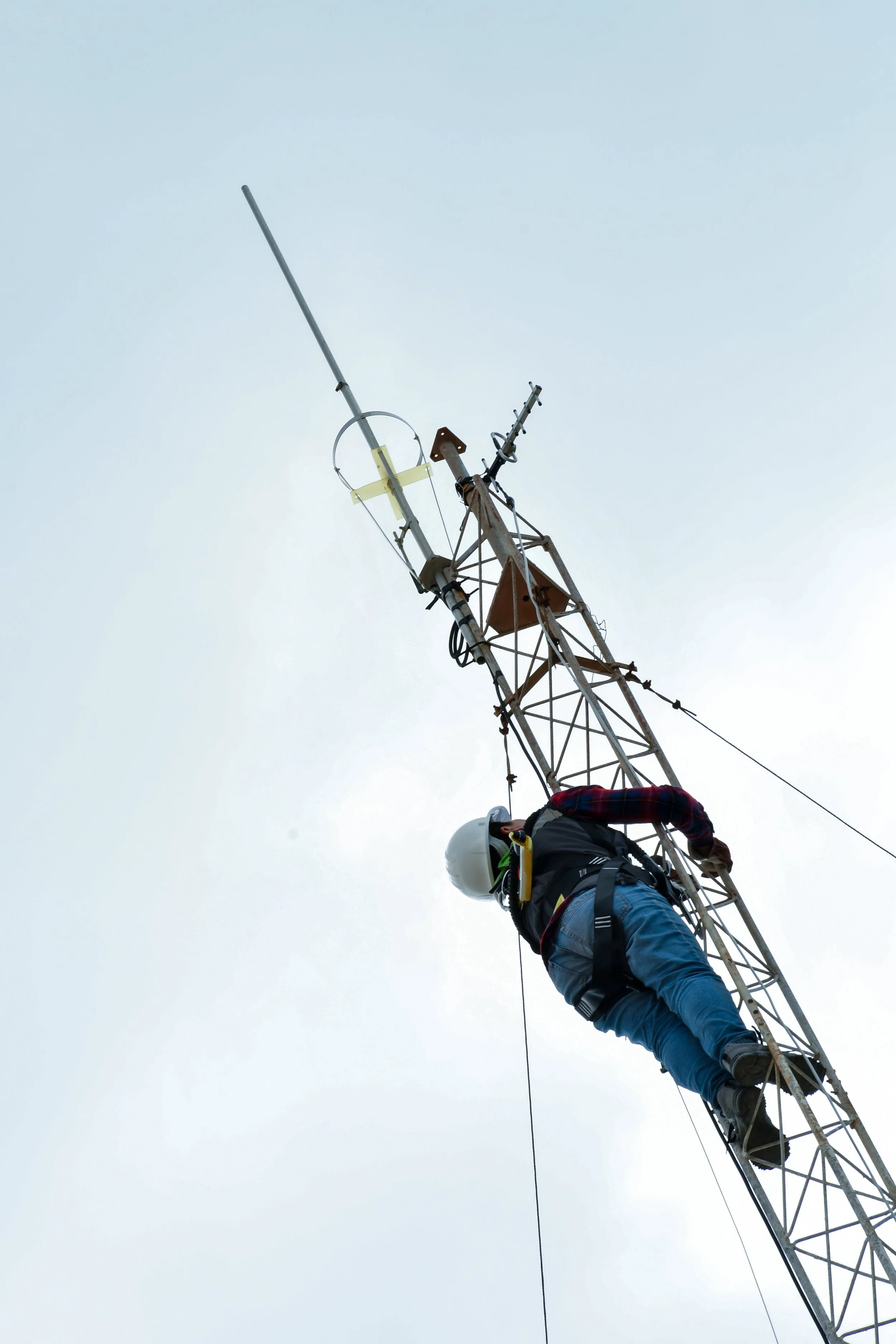
Keeps coastal communities connected during power outages and climate emergencies through a community connectivity system
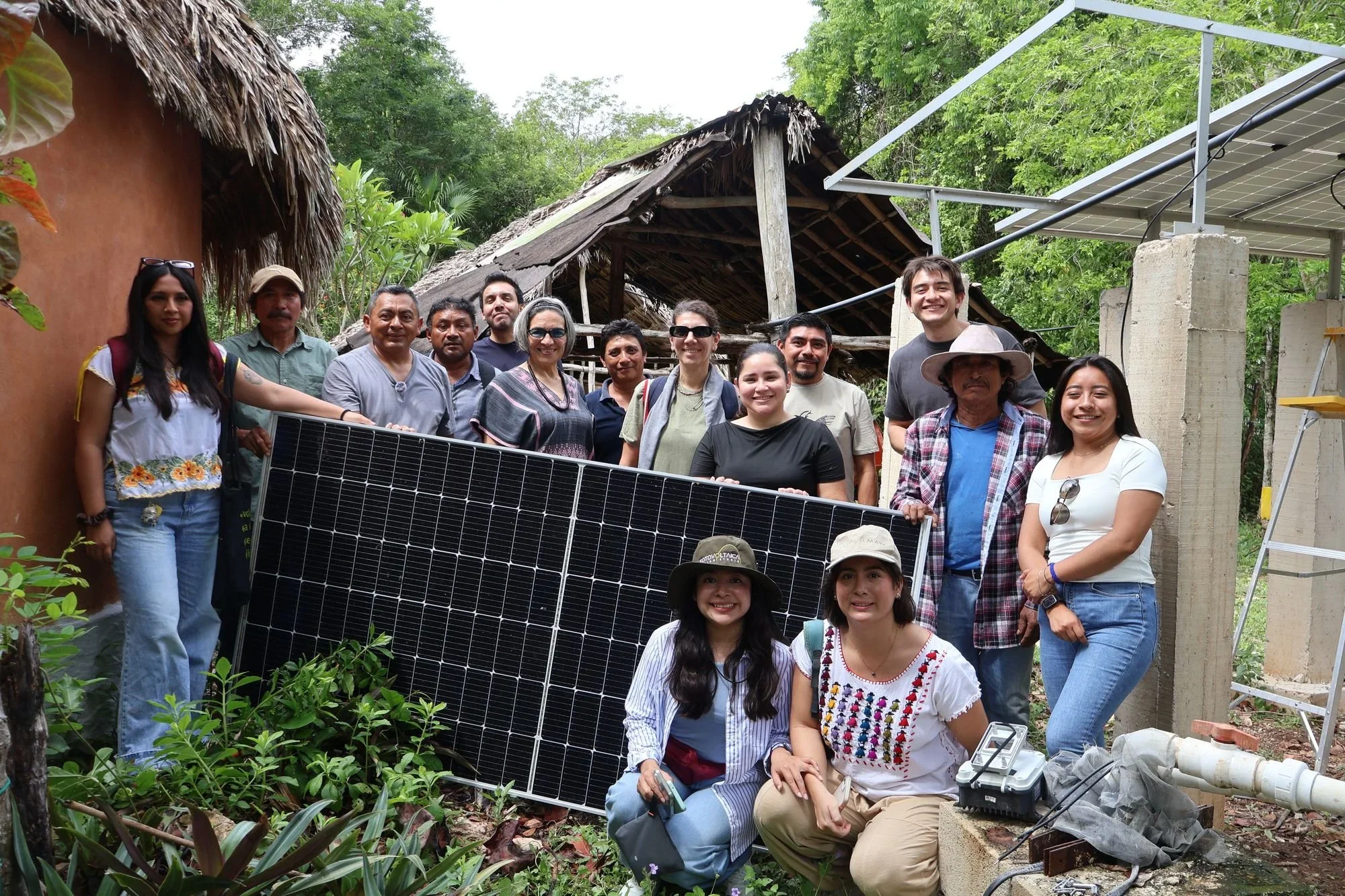
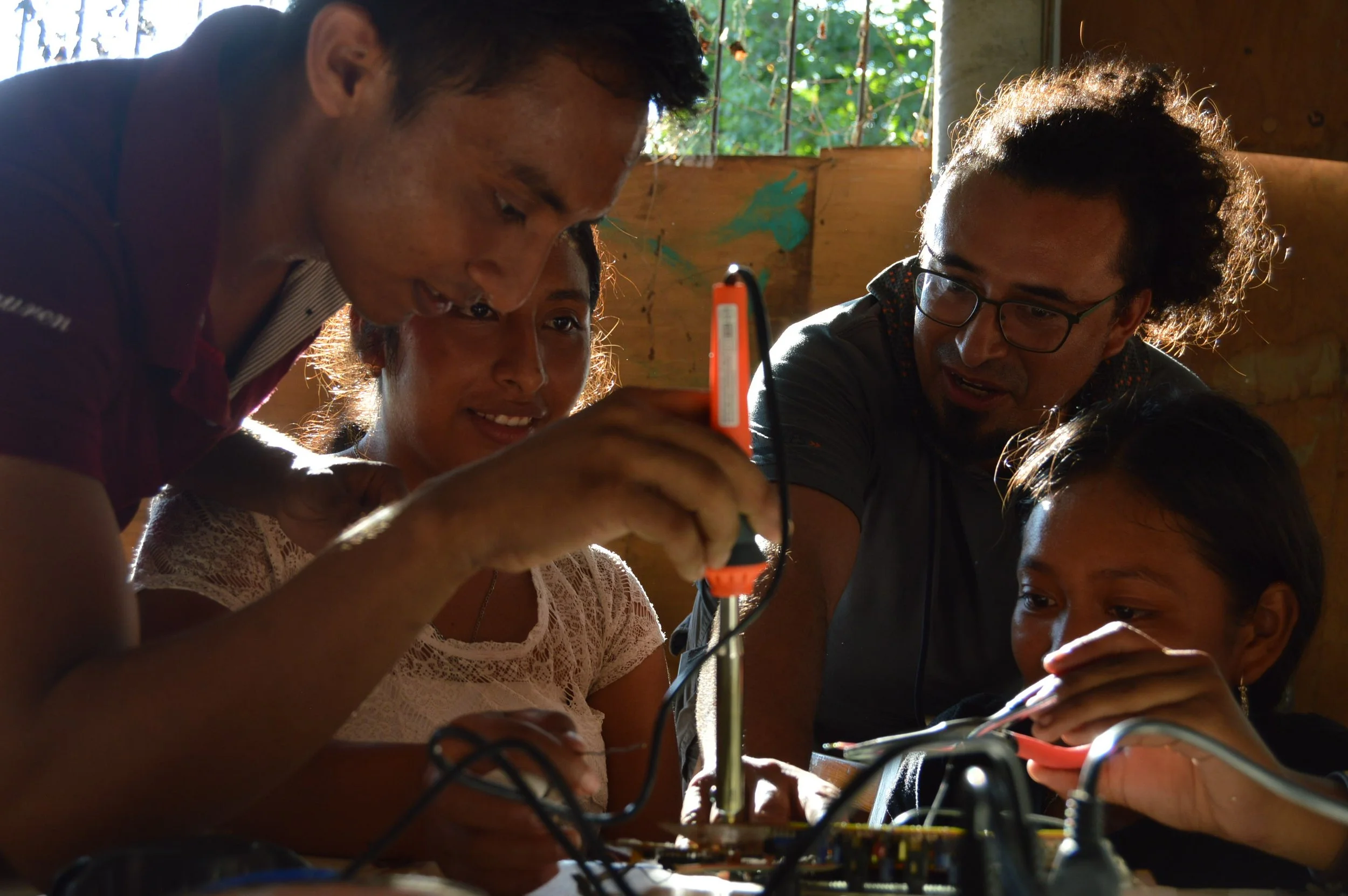
Technically trains 20 Maya community promoters who operate six solar systems in their community
About
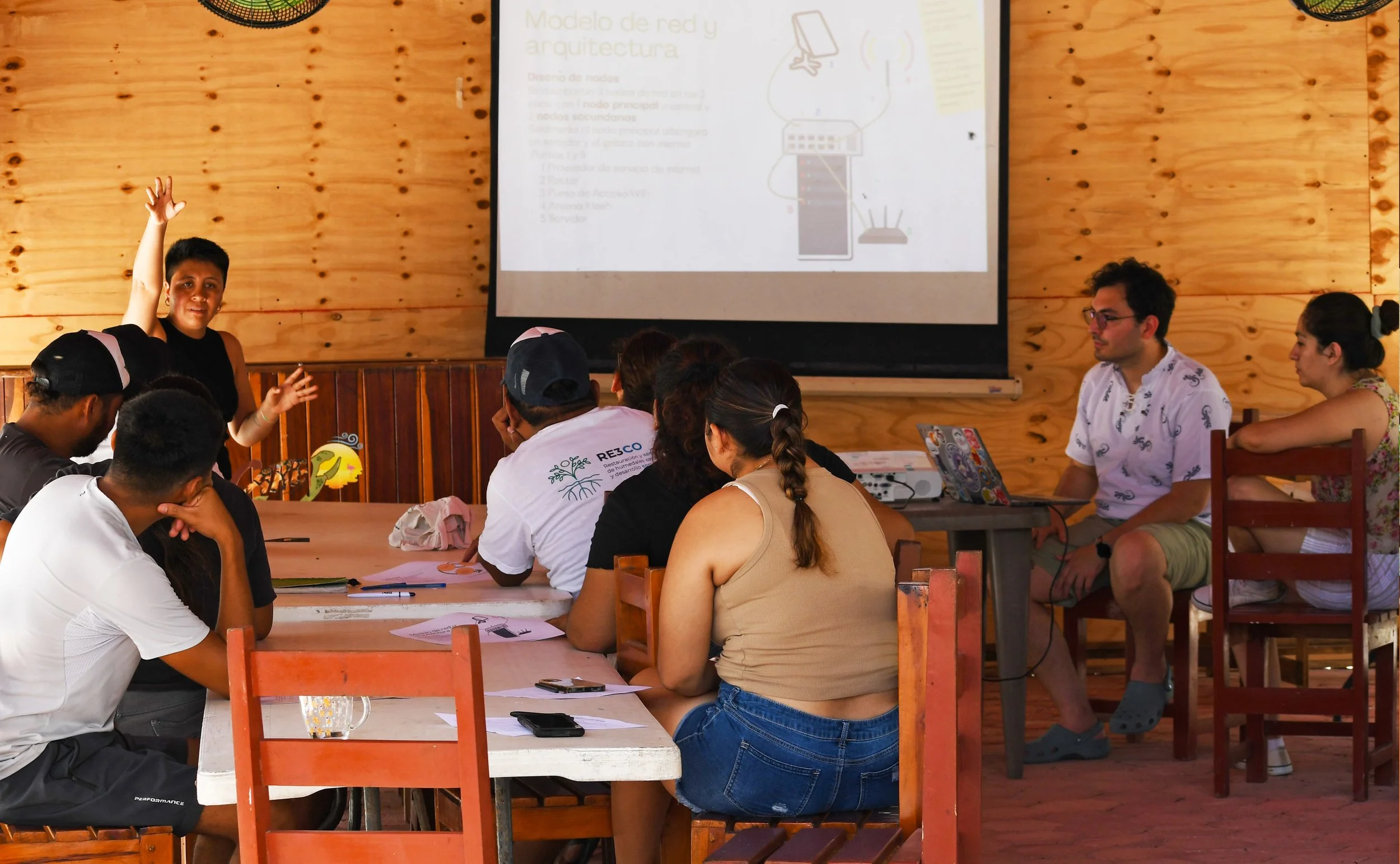
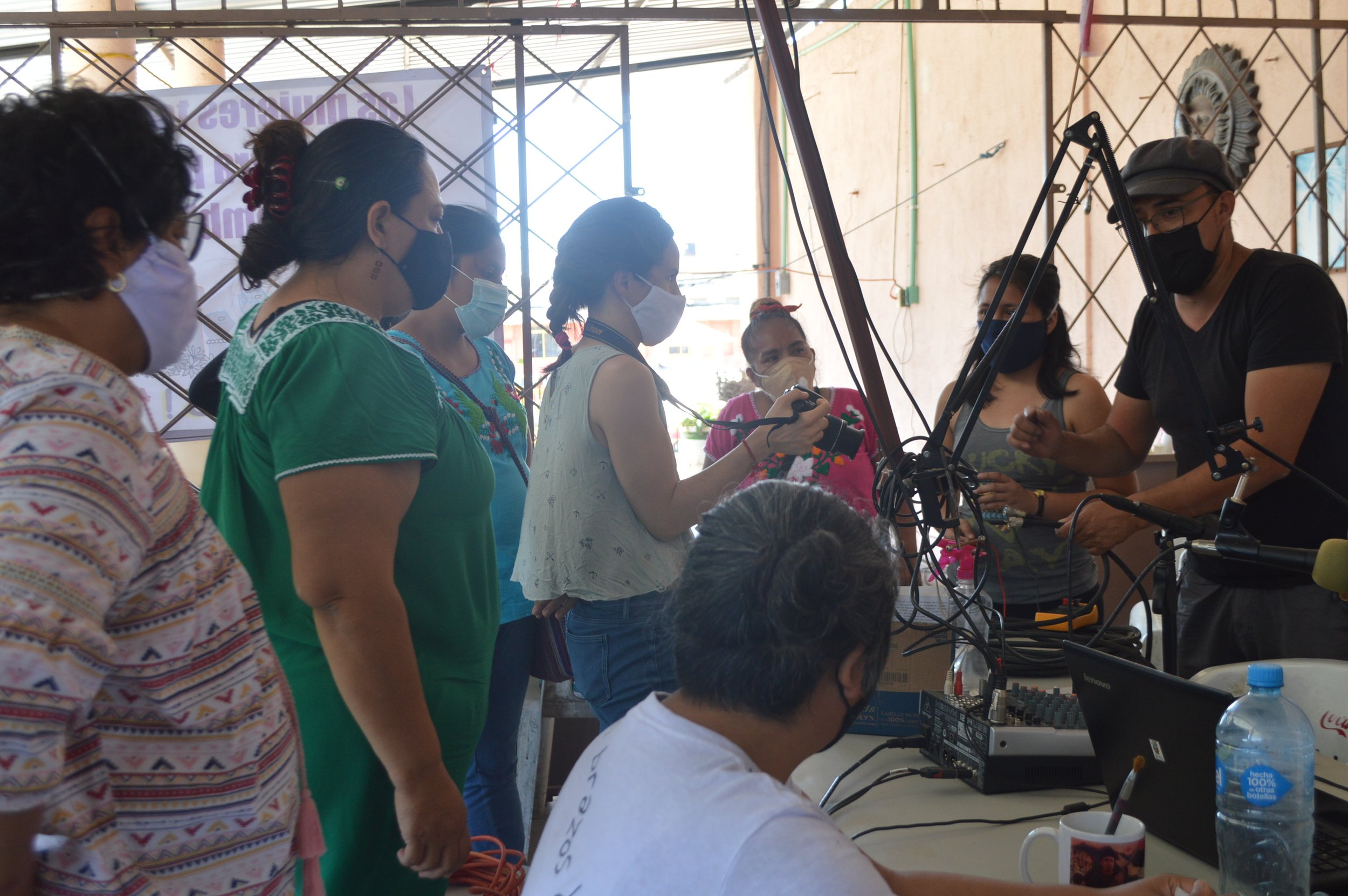
The Centro de Investigación en Comunicación Comunitaria (CICC) was born in 2016 from a simple and radical conviction: another world is possible – one where many worlds fit. It began as a group of Indigenous and mestizo youth; a decade later it is a multidisciplinary team of professionals, mostly women, who walk alongside Indigenous, rural, and urban communities organizing to exercise their rights. CICC does not arrive with prefabricated solutions: it accompanies communities, who are the ones who decide which processes and needs to prioritize, while the team contributes tools and methods that communities make their own and adapt to their struggle, in long-term processes that don't end when a project ends.
Every community radio station, every self-managed internet network, and every cultural cooperative it supports shares the same horizon: strengthening the autonomy and self-determination of the people. The technology and knowledge it plants don't belong to it: they stay, are operated, and are passed down within the community, guided by the conviction that collective work and shared knowledge can build more just and dignified societies that respect ecosystems and living territories.
“Working with CICC gives us peace of mind because we see their commitment: they don’t just hand over the equipment and leave. They accompany us patiently, and even after the project is finished we can ask them for advice. It’s a kind of support that never ends, and that’s what allows us to keep moving forward on our own.”
HF Partnership
CICC will strengthen the energy autonomy of Isla Arena, a Maya fishing community located in the Ría Celestún Biosphere Reserve, by installing six independent solar systems, including eight solar freezers in fishing storage units and a community connectivity system that will keep the community connected during climate emergencies and the roughly 150 blackouts that occur each year. The project includes technical training for at least 20 community promoters led by the Maya women's cooperative Tuumben K'ooben, a risk-management mechanism that ensures community participation and gender equity, and a reserve fund to sustain the system long term.
The initiative will directly benefit 235 people, including fishers, members of the Carey cooperative, and trained promoters, along with their families and the island's population indirectly. The project aims to put an end to fishing product losses, which reach up to $294 USD per storage unit during each week of blackouts, and to have the community operate and maintain its own solar energy infrastructure with technical leadership from Maya women and youth, establishing a climate-resilient connectivity model that can be replicated in other vulnerable coastal communities.

In the News