Impact Spotlight
Installing nine water pumps for vital land restoration and food production on Molokaʻi
Powering refrigerators, dehydrators, and other equipment to preserve and provide food to over 150 people
Providing solar training and education for Indigenous community members in rural Molokaʻi
About
ʻĀina Momona is a native Hawaiian nonprofit dedicated to achieving environmental health and sustainability through restoring social justice and de-occupying Hawaiian lands. Started in 2017, ʻĀina Momona is run according to the vision of executive director emeritus Uncle Walter Ritte, a pillar of social activism in Hawaiʻi for over 40 years. Meaning "abundant land" in Hawaiian, ʻĀina Momona focuses on issues critical to the health and well-being of Hawaiʻi's future, applying a grassroots approach to equip Native Hawaiian communities with the resources needed to be self-sufficient, sustainable, and resilient in the face of capitalism, colonialism, and the ongoing climate crisis.
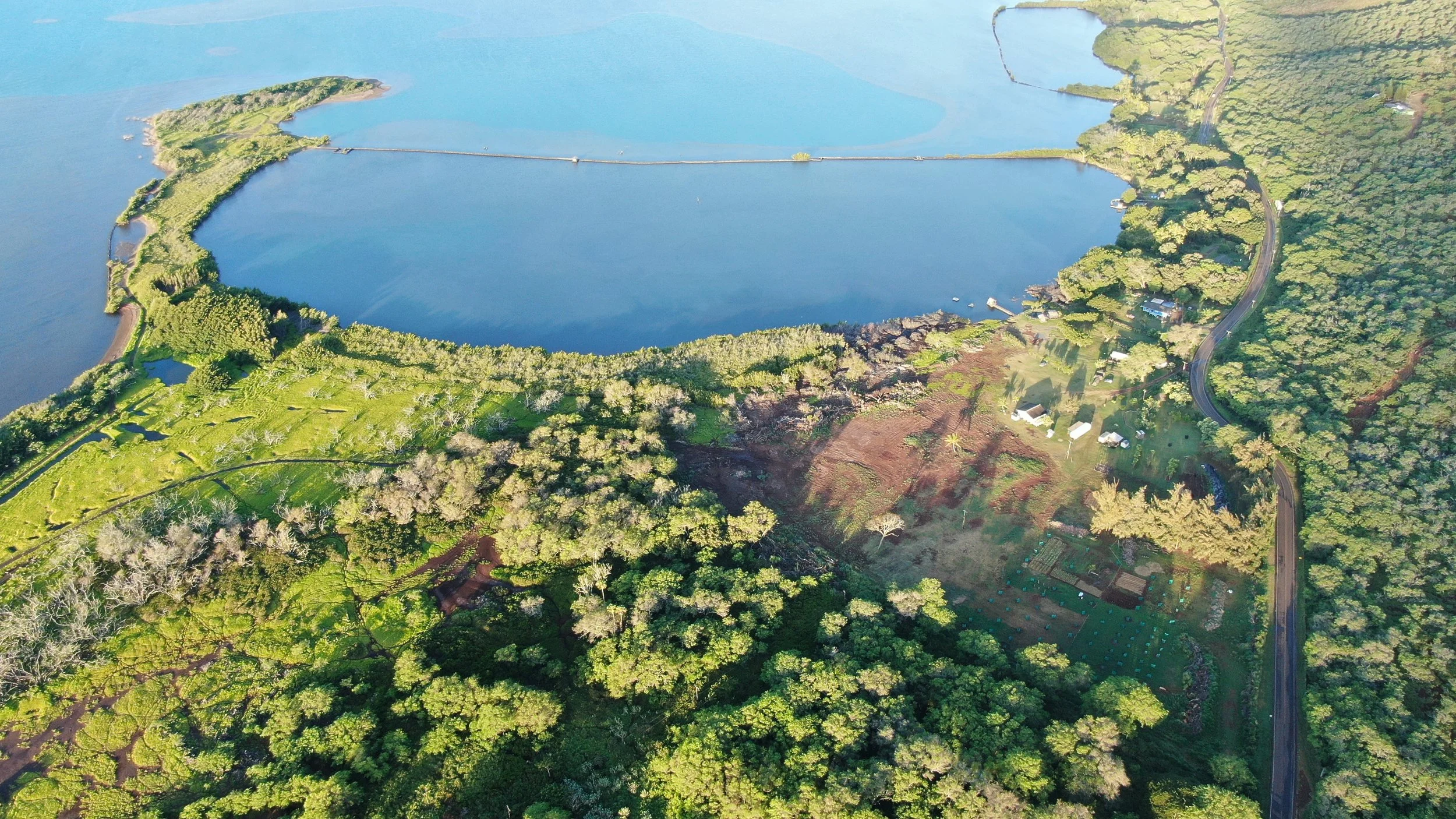
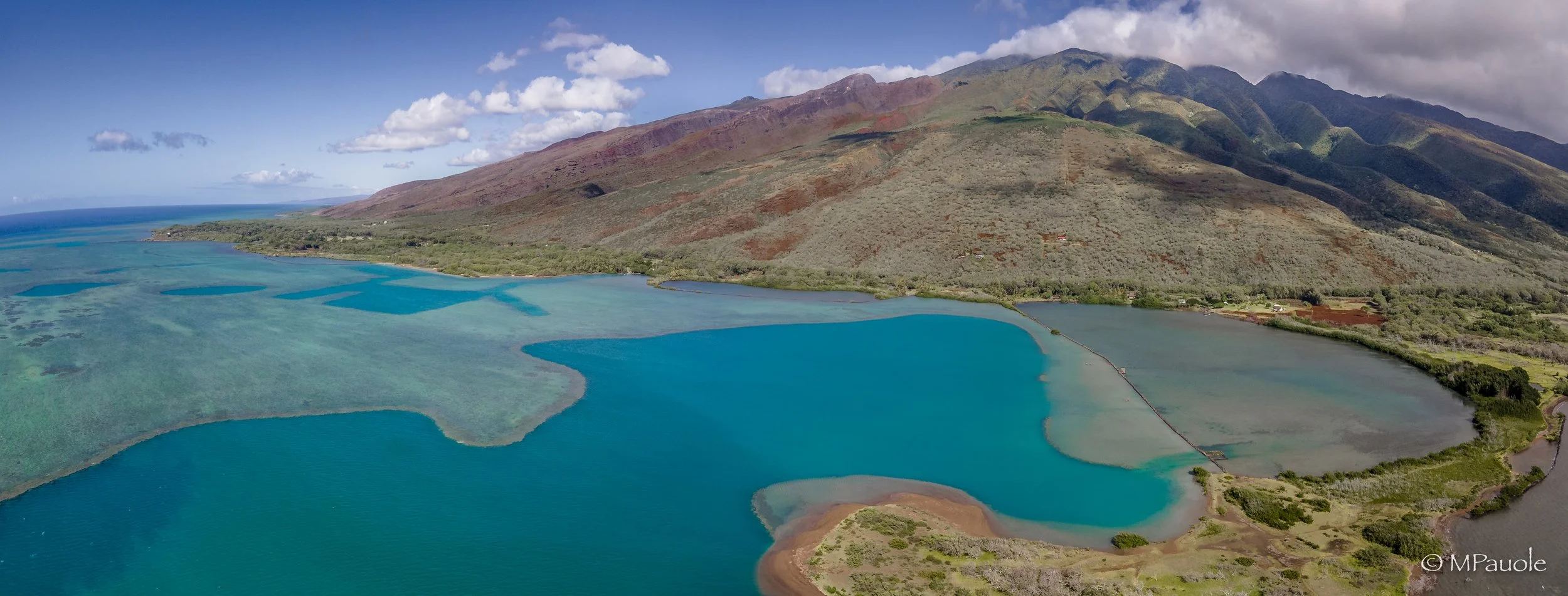
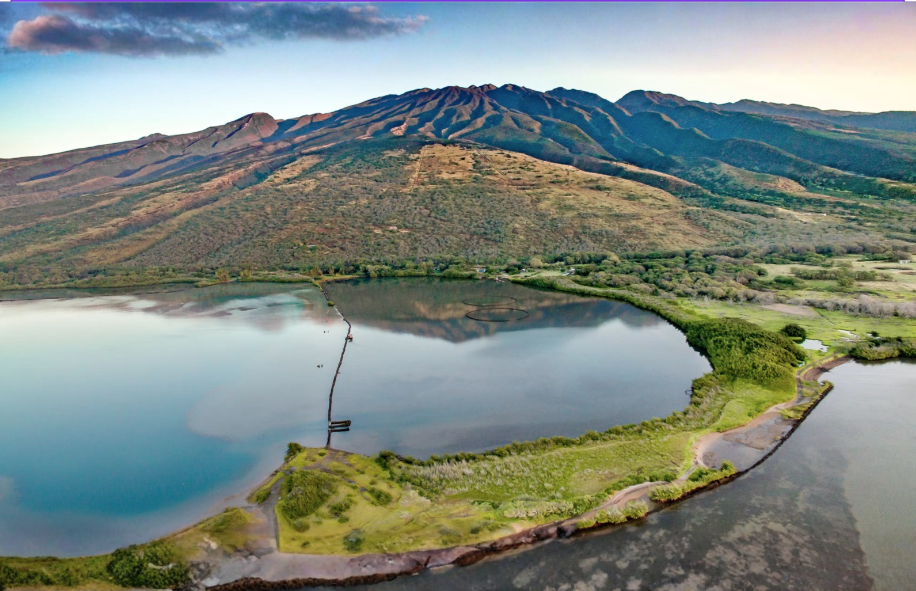
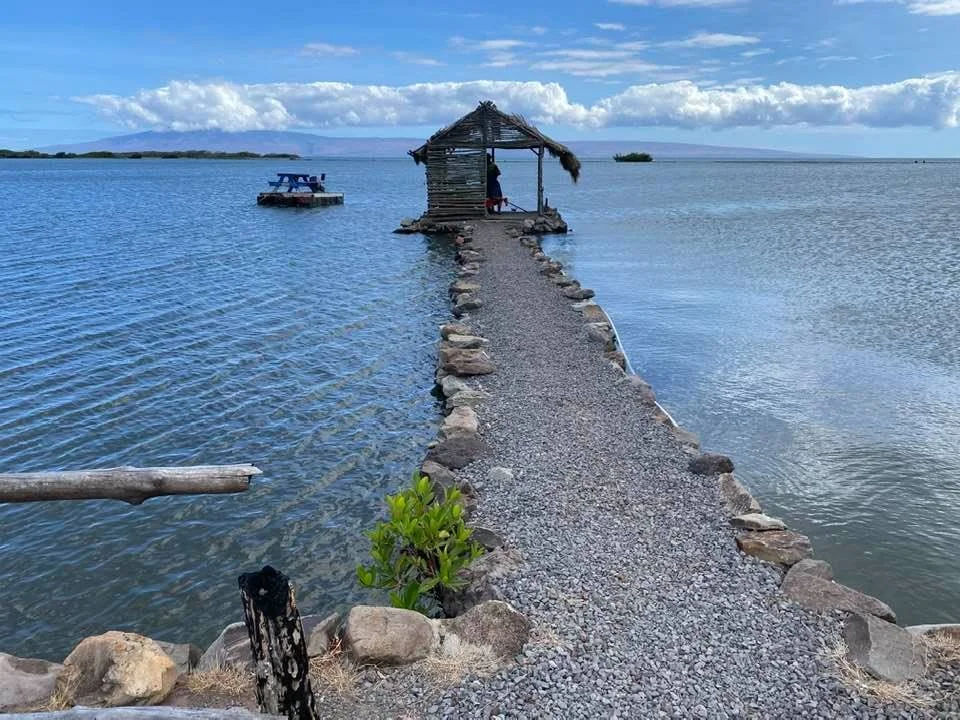
ʻĀina Momona is currently based out of Keawanui Fishpond and Cultural Learning Center on the east end of Moloka'i in the Ka'amola ahupua'a. In partnership with Kamehameha Schools, it manages a 55-acre ancestral Hawaiian fishpond and several acres of agricultural land mauka of the pond. Due to decades of mismanagement, the upland parcels of this land section are severely eroded and cause regular runoff and flooding that impacts the fishpond and nearshore food production work, and ʻĀina Momona is working steadily with community partners to develop a full-scale, community-led ahupua'a restoration project that can be transferred to other degraded areas in the future.
“When we all love the land, we are all family.”
HF Partnership
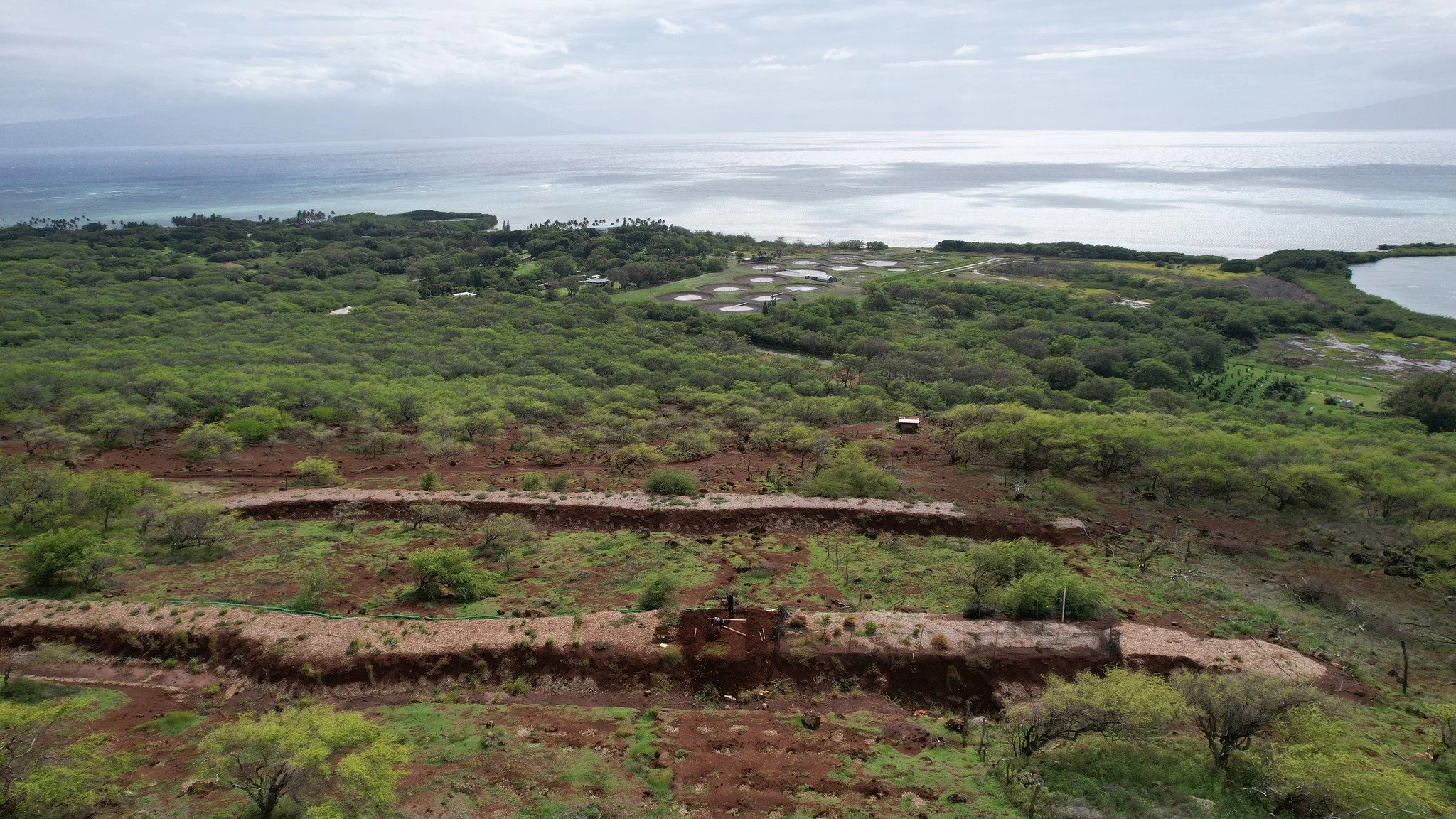
ʻĀina Momona is currently working to restore the ahupua'a, or land section, of Ka'amola on Moloka'i. Archival resources show that Ka'amola was once a place of great bounty and concentrated food production, but today it is one of the most degraded pasture lands on the island due to decades of mismanagement and poor ranching practices. Severe topsoil loss, overgrazing, invasive species, unstable roads, uncontrolled deer populations, and groundwater depletion continue to accelerate the area's ecological decline and damage key subsistence resources near the coast, where the team works to revitalize local, sustainable food production.
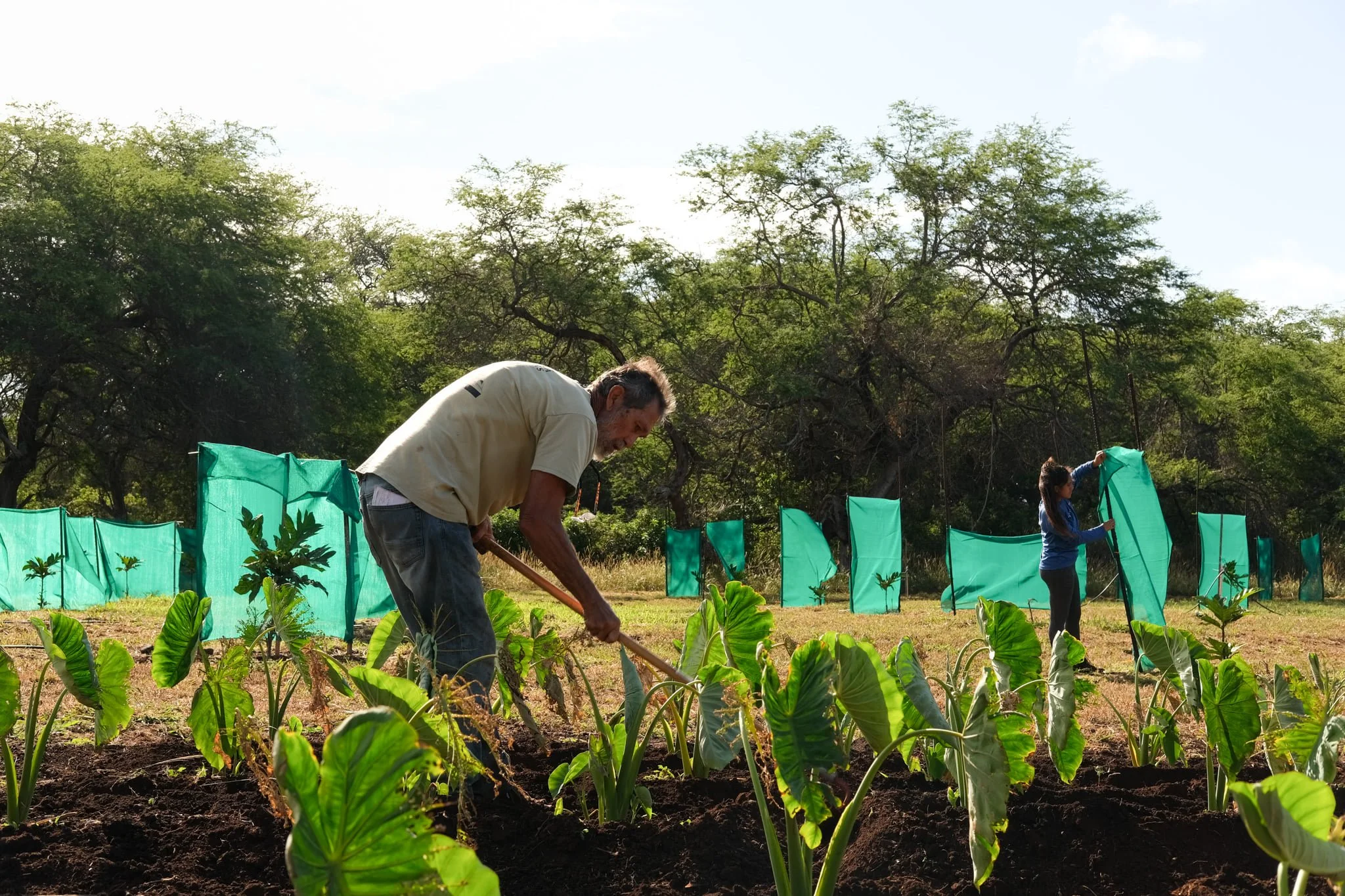
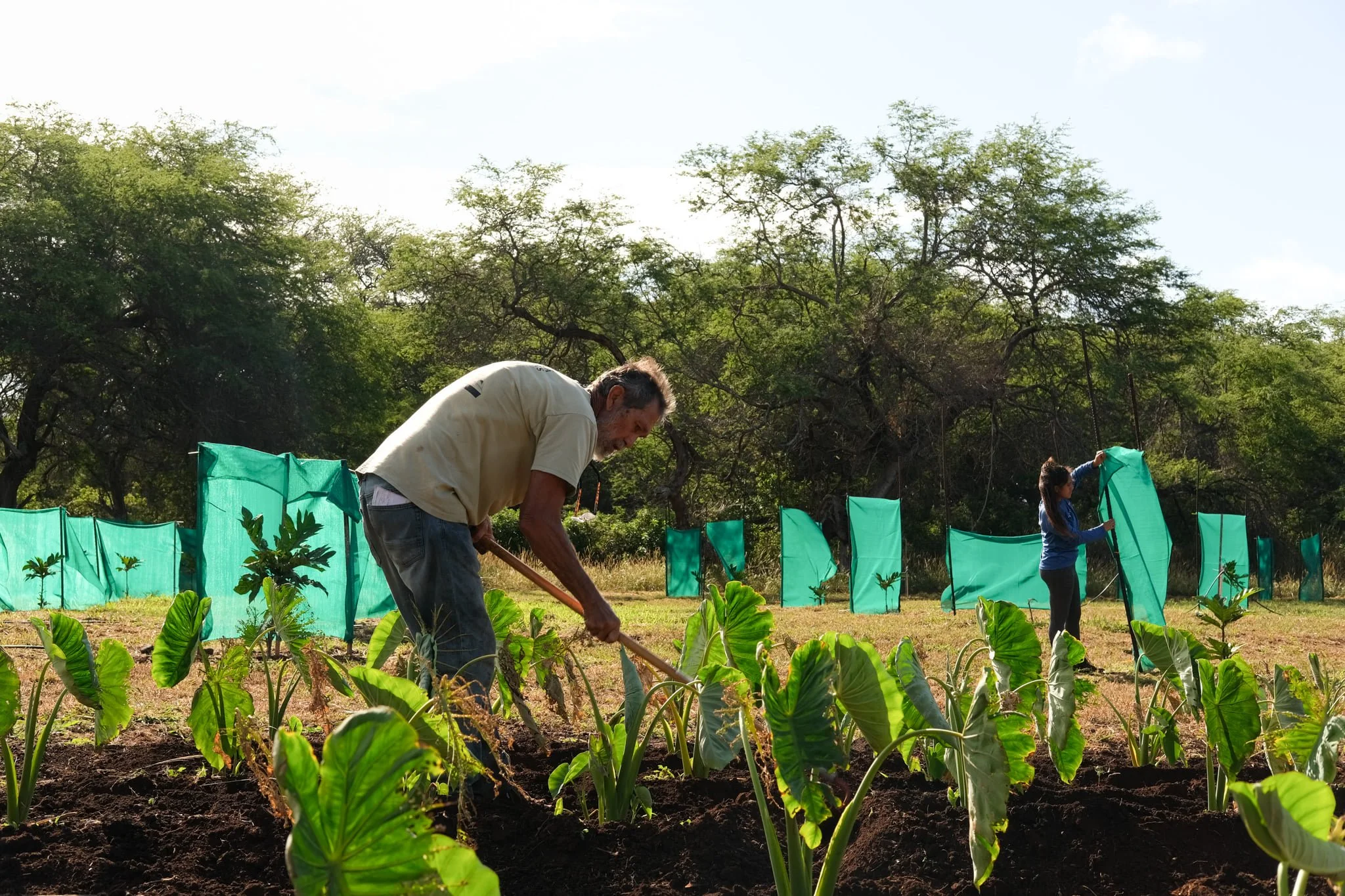
To restore the mountainside of the land section, ʻĀina Momona has cleared approximately 35 acres of invasive species and planted over 1,500 native plants and 1,500 vetiver plants to replenish and stabilize the soil. Through this partnership, ʻĀina Momona will install nine solar water pumps to carry water to the upland parcels being reforested, along with a base unit to power lowland operations and food production, strengthening its off-grid power resources and enabling continued reforestation and restoration work in the Ka'amola ahupua'a.
In the News